FM Global Fire Pump Requirements for Manufacturing
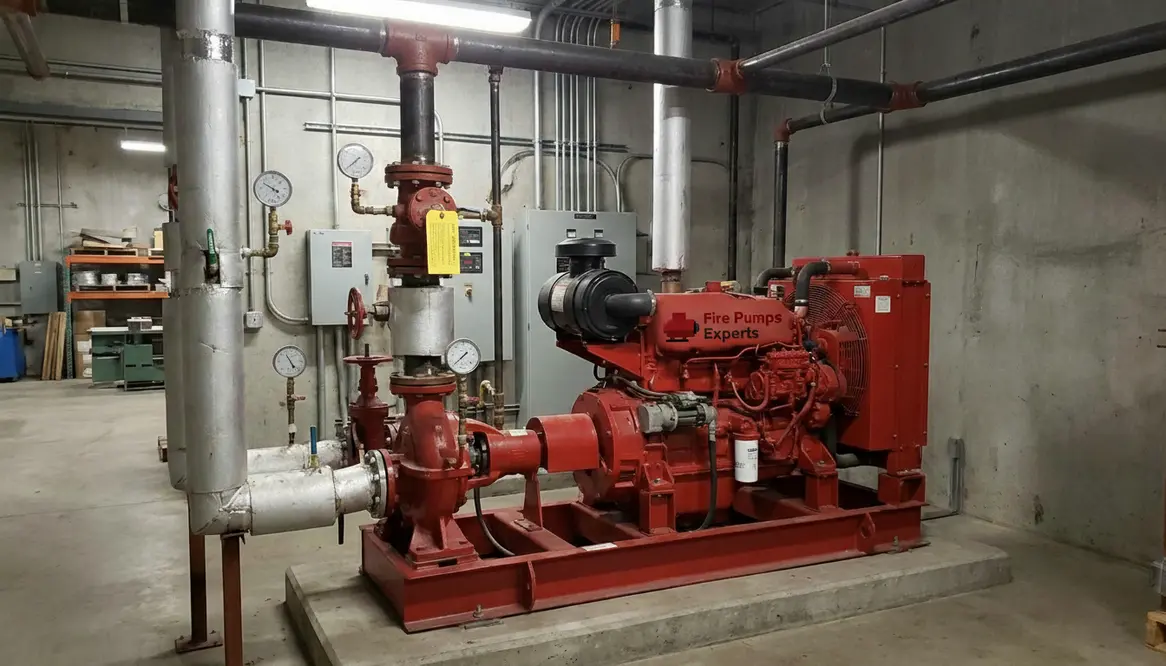
When I look at FM Global manufacturing sites, I see one simple truth: water still wins the day when fire gets bold. A fire pump is not just a metal box in a plant room. It is the muscle behind the sprinkler system, and in a busy facility, that muscle must be ready before trouble even thinks about showing up. In manufacturing, where heat, fuel, dust, and moving equipment all share the same stage, fire protection cannot act like it is waiting for the next season of a slow drama. It needs to perform now.
FM Global sets a high bar because the stakes are high. So, I will walk through what matters, what inspectors look for, and how a facility can stay ready without turning fire protection into a full time headache.
What FM Global fire pump requirements really mean
FM Global expects a fire pump to support the sprinkler demand with enough pressure and flow during a fire event. That sounds simple, yet the details matter. First, I check whether the pump can handle the system’s required water supply under real conditions, not wishful thinking. Then I look at the pump type, driver type, and the full water path from the source to the sprinkler riser.
FM Global also cares about reliability. So, the pump must start fast, run smoothly, and stay available when the plant is busy doing plant things. In other words, no drama. No “it worked yesterday” excuses. The pump room should also stay protected from freezing, flooding, and physical damage. After all, a fire pump should not have to worry about the weather like a retired detective in a crime show.
How I evaluate pump size, water supply, and power
I always start with the water supply. If the source cannot support the flow, the pump becomes a very expensive confidence booster. FM Global wants the water supply tested and documented so the system matches the hazard. For manufacturing sites, that hazard often changes by area, which means storage, paint, packaging, and production may all need different protection levels.
Next comes pump sizing. The pump must deliver enough water at the needed pressure, and it must do so without losing steam when demand rises. The driver matters too. Electric drivers often work well where the power supply stays stable, while diesel drivers add backup where power loss could shut down protection. I make sure the driver, controller, and fuel or power source all support the same goal: fast startup and dependable operation.
FM Global manufacturing: the checks I never skip
When I review FM Global manufacturing fire pump setups, I never skip the basics that make the whole system hold together. These checks may sound plain, but plain is good when fire is involved.
What I inspect first
- Pump room access and clear space around the unit
- Suction line size, layout, and support
- Power supply or fuel supply reliability
- Controller condition and alarm function
- Weekly test routine and maintenance logs
- Valves, gauges, and visible signs of wear
Then I look at the pump test arrangement. FM Global wants routine testing that proves the pump can perform under load. A silent pump is not a heroic pump. It is just a quiet machine with a very important job. I also check that the facility keeps records of inspection, testing, and maintenance. Without records, even a strong system can look weak on paper, and paper has a way of showing up right when the auditor walks in.
How I handle common manufacturing fire pump problems
In manufacturing facilities, I often see the same trouble spots. First, suction issues show up when the water source runs low or the piping creates too much restriction. Next, electrical problems can stop an electric pump from starting when a fault hits the system. Diesel pumps bring their own headaches, such as fuel issues, battery wear, and neglected engine checks.
However, most of these problems do not arrive out of nowhere. They build slowly. A loose valve here, a corroded fitting there, and before long the system looks fine until it does not. That is why I favor steady maintenance and simple routines. Also, I like to keep the pump room clean and clear, because dust and clutter have no business near fire protection equipment. They already cause enough trouble elsewhere in the plant.
How to stay ready without slowing production
Here is the good news. A facility can meet FM Global fire pump expectations without putting production in a chokehold. The trick is planning. I recommend scheduled testing that fits the plant rhythm, so operations do not treat safety like an annoying side quest. Then I push for clear ownership. Someone should know who checks the pump, who reviews the logs, and who acts when something looks off.
It also helps to tie fire pump care into the larger safety plan. When I link inspection, maintenance, and hazard review, the plant gets a cleaner process and fewer surprises. If the facility changes products, adds equipment, or expands storage, I always revisit the fire pump design. Manufacturing does not stand still, and the protection plan should not either. Strong FM Global manufacturing programs treat the fire pump as part of every change conversation, not an afterthought hiding in the background.
When FM Global manufacturing operations grow, the water demand, storage configuration, and process hazards grow with them. The facilities that stay ahead are the ones that pair production decisions with a quick check on water supply, pump capacity, and testing routines before the new line starts humming.
FAQ
Conclusion
If I want a manufacturing site to stay ready, I treat the fire pump like mission critical gear, because it is. FM Global expects more than a working machine; it expects a system that proves itself over time. So, I recommend reviewing your water supply, testing routine, and maintenance records now, before the next inspection or incident does it for you.
When FM Global manufacturing guidelines line up with real-world testing, clear ownership, and solid documentation, the fire pump stops being a mysterious box tucked in a corner and becomes part of how the plant stays open for business. If you want stronger fire protection for your commercial or industrial facility, take the next step and align your pump system with FM Global expectations today. For deeper technical insight into fire pump design and performance, resources like https://firepumps.org can help you understand how pump curves, drivers, and water supplies all work together when it matters most.