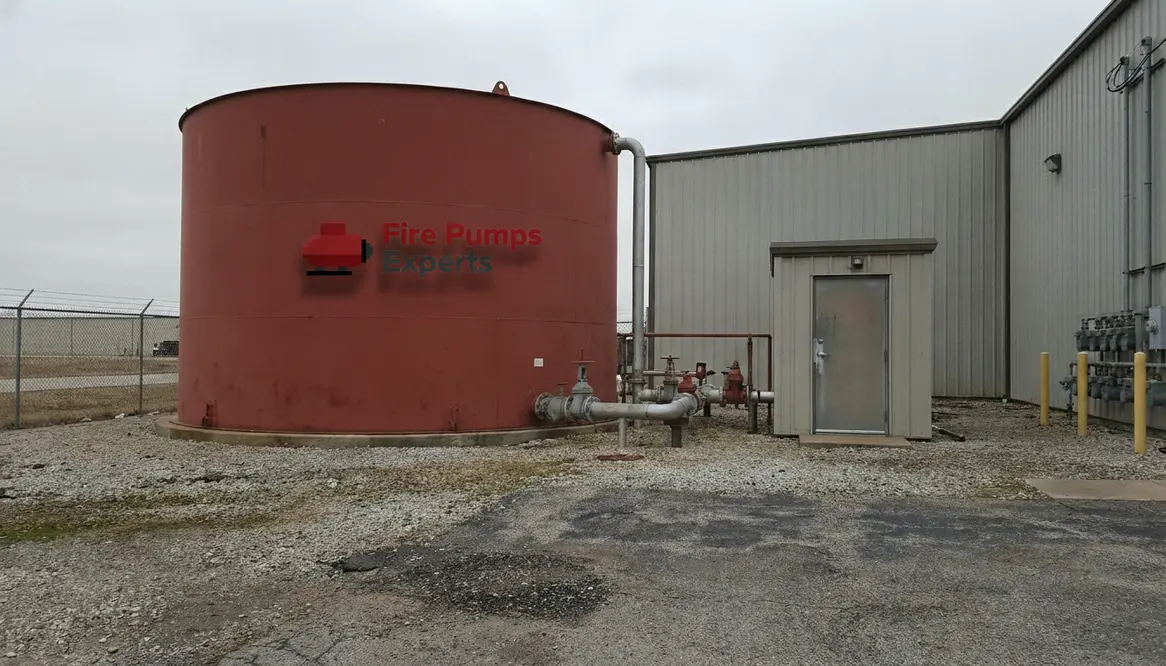
Global Fire Pump Tank Requirements Compared
Comparing how different regions handle fire pump tanks shows where systems stay strong, where they fall apart, and what your own facility should demand from its water supply.
When I look at fire protection for commercial and industrial facilities, I start with one simple truth: the system is only as strong as its water supply. That is why the Global tank matters so much. It holds the reserve that keeps a fire pump ready when pressure drops, supply lines fail, or the city water system decides to take a nap at the worst possible time. Yes, that kind of drama always waits for the busiest night shift. In this article, I compare fire pump tank requirements across major markets, so you can see what changes, what stays steady, and what your facility should plan for.
Why the stored water really matters
The tank is not a decorative pond. It is the one piece of your fire system that must quietly wait for years, then perform perfectly on the worst day your building will ever see. If the Global tank fails, the pump becomes an expensive metal sculpture.
What fire pump tank requirements mean for my facility
Fire pump tank requirements define how much water a building must store, how the tank must connect to the pump, and how the system must stay available during an emergency. For me, the big issue is reliability. A commercial warehouse, data center, refinery, or high rise does not get a second chance when fire hits. Therefore, the tank must support the pump with the right volume, the right refill method, and the right protection from damage or freezing.
In most regions, I see the same core goals. First, the tank must provide enough water for the full fire demand. Second, it must avoid contamination and remain easy to inspect. Third, it must work with the pump without creating air problems or supply loss. Because of that, designers often choose dedicated fire water storage instead of shared process tanks. Shared storage sounds clever until the system needs water and the rest of the plant already used it. That is not a fun meeting.
Compare Global tank rules by region
Here is the short answer: rules vary, but the logic stays close. Different countries use different standards, yet most expect a dependable stored water source for higher risk facilities. In North America, projects often follow NFPA guidance and local fire code. In Europe, I see more alignment with EN standards and local authority rules. In the Middle East and parts of Asia, many projects blend international standards with local civil defense demands. So, while the labels change, the mission remains the same: keep the pump fed and the fire under control.
Key differences in Global tank sizing
For Global tank sizing, the most common differences include:
North America
Usually follows NFPA based design, with tank size tied to hazard class, pump flow, and required duration. Above ground steel tanks and approved concrete storage are common for large facilities.
Europe, Middle East, and Asia
Often uses EN, local civil defense, or project specific standards. Tank sizing may shift based on municipal supply quality, seismic risk, climate, and site access. In hotter regions, water loss from heat and evaporation can also matter.
Across all regions, I pay attention to one question: does the tank support the actual fire scenario, not just the paper design? That question sounds simple, but it saves buildings. A water tank that looks fine on a drawing can still fail if the pump suction, pipe layout, or refill rate does not match real use.
How I size a fire pump tank for industrial buildings
Start from demand, not from the catalog
I size the tank from the demand backward. First, I identify the hazard class and required discharge time. Then I check pump flow, sprinkler demand, standpipe demand, and any extra water needed for hose streams or special hazards. After that, I look at the refill source. If the site has weak municipal pressure, I treat the tank as the main water supply, not a backup toy sitting in the corner.
Match the Global tank to the environment
I also review site details that many teams miss. For example, a tank in a cold climate needs freeze protection. A tank near corrosive air may need better coating or material selection. Likewise, a large campus may need sectional storage or redundant tanks so one failure does not take down the whole system. In other words, the tank should fit the facility, not force the facility to fit the tank. When I work with a Global tank setup that spans multiple regions or standards, those small local details often decide whether the system performs or fails.
What owners should check before installing a tank
Five fast checks that prevent expensive regrets
- Confirm the required volume for the full fire scenario, not just the minimum allowed on paper.
- Verify suction piping and pump alignment so the pump never starves or sucks air.
- Confirm the tank can stay clean and inspected, including safe access and drain points.
- Check access for maintenance and emergency service vehicles and crews.
- Make sure local code approval will not turn into a slow battle with paperwork, which somehow always feels longer than the actual construction.
I also recommend reviewing trusted fire pump guidance from industry experts such as commercial fire pump and tank guidance for industrial facilities. That helps owners compare practical options before they build. And yes, that small step can save a large headache later, which is nice because headaches are rarely listed in project budgets.
FAQ: Global tank requirements compared
When owners and designers compare standards across borders, a few questions come up over and over again. These answers help frame how a Global tank strategy should work when codes, climates, and risk levels all compete for attention.
Conclusion
If I want a fire system to work when it counts, I treat the tank as a core asset, not an afterthought. Global rules may differ, but the goal stays the same for commercial and industrial facilities: dependable water, proper sizing, and fast response. If you manage a major property, now is the time to review your fire pump tank plan, check your code needs, and make sure your system is ready before trouble arrives. Whether the project sits in one country or spans several, a carefully planned Global tank strategy often decides whether the story ends with minor smoke damage or a total loss.