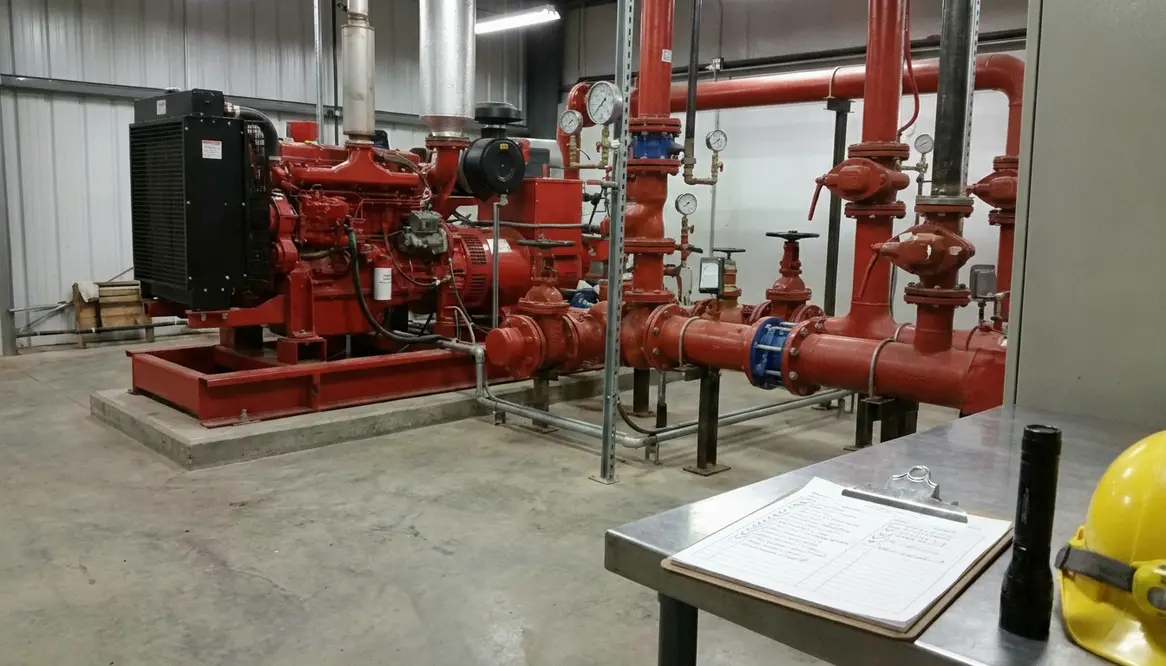
Fire Pump Standards for Global Facility Teams
A practical look at how consistent fire pump standards keep large, complex properties ready when they need water the most.
Fire Pump Standards for Global Facility Teams: What I Rely on to Keep Big Properties Ready
When I talk about fire pump standards, I am not talking about dusty binders that live in a cabinet and collect regret. I am talking about the rules that help commercial and industrial facilities stay ready when water pressure drops and the heat rises. For global facility teams, these standards shape how I inspect, test, maintain, and document fire pump systems across major properties. And yes, the details matter. A pump that looks fine on paper can still fail in the real world, which is about as comforting as a smoke alarm with stage fright.
In my work, I treat fire pump standards as the quiet backbone of life safety. They guide design, installation, testing, and ongoing care. So, if you manage a plant, warehouse, tower, hospital, or other large property, this is the playbook I trust.
Why Fire Pump Standards Matter for Facility Teams
I start here because a fire pump is not just another piece of mechanical equipment. It exists to support sprinkler systems when normal water supply cannot do the job. That means the stakes stay high. If your facility team follows clear standards, you reduce risk, improve response time, and avoid costly surprises during audits or emergencies.
For global teams, the challenge grows fast. One site may follow local code language, while another site must align with international guidance. Therefore, I always look for the common ground: reliable performance, proper pressure, and documented testing. Standards help me compare sites with confidence instead of guessing like I am trying to pick the right streaming service on a Friday night.
How I Apply Standards in Commercial and Industrial Sites
I use fire pump standards to build a simple but strict routine. First, I verify the pump type, driver, controller, and water source. Next, I check whether the system matches the building’s hazard level and demand. Then I confirm that inspection and test logs tell a clear story, not a mystery novel with missing chapters.
This approach keeps the team focused on what matters most. Moreover, it helps me spot trends before they turn into downtime. A slow drop in pressure today can become a very bad day later, and no one wants that plot twist.
Quick Reference: Areas I Check First
Two column view for fast review
Area to Check
Pump room
Controller
Suction supply
Weekly checks
Annual testing
What I Look For
Clear access, heat control, drainage, and no storage clutter
Proper settings, alarms, power status, and visible labels
Stable source, open valves, and no air leaks
Starting pressure, diesel levels if used, and signs of wear
Flow results, performance curve match, and recorded follow up
What Fire Pump Standards Cover in Real Life
In practice, these standards cover much more than pump size. They also shape installation quality, routine testing, and repair discipline. For example, I look for correct pipe support, proper valve placement, and good room conditions. If the room overheats or the system lacks access, then the pump may still fail even though it passed its last test. That is why I never treat the pump room like a storage closet for “temporary” boxes that somehow become permanent furniture.
Standards also help global teams manage differences in site skill levels. Some facilities have in house fire protection staff. Others rely on contractors. Either way, the standard gives everyone the same target. As a result, the conversation shifts from opinion to proof.
Testing And Maintenance That Keep the System Honest
I trust testing because it tells the truth. A fire pump can sit quietly for months and still hide a problem. So, I support regular inspection, churn tests, annual flow tests, and records that show actions, not just signatures. If a reading looks off, I want the team to explain why and correct it fast.
Maintenance matters just as much. I check bearings, couplings, fuel systems, batteries, seals, and controller health. I also want spare parts on hand for critical sites, because waiting for a missing part during an emergency feels a lot like waiting for the final season of your favorite show, only less fun and far more expensive.
For industrial sites with high fire loads, I push for tighter review cycles. Meanwhile, large commercial towers need strong coordination between building management, fire protection vendors, and local authorities. In both cases, the goal stays the same: keep the system ready before anyone needs it.
How I Compare Global Rules Without Losing My Mind
Global facility teams often deal with different local codes, insurance rules, and authority requirements. So, I recommend a master standard for the company, then local reviews for each site. That way, the base rule stays consistent, while regional needs still fit the final plan.
I also use one simple rule: if the local rule is stricter, I follow it. If the company rule is stronger, I keep that too. This saves time during audits and reduces confusion across teams. Better still, it gives leadership a clear view of risk across the entire property portfolio.
For teams that want deeper technical detail, I point them to reference material such as https://firepumps.org, then bring those concepts back into one practical company playbook.
Bringing It All Together With Consistent Fire Pump Standards
Across plants, warehouses, towers, and hospitals, I keep coming back to the same idea: consistent fire pump standards give teams a shared language. They also make it easier to train new staff, compare sites, and explain decisions to leadership that may never step into a pump room.
When everyone understands what “good” looks like, it stops being a guessing game and starts being a repeatable process. That is the kind of discipline that shows up when the sprinklers need help and the pump has to perform exactly as designed.
Conclusion
I believe strong fire pump standards are not just about compliance. They protect people, property, and business continuity across major commercial and industrial sites. If you manage a global facility portfolio, now is the time to review your testing routine, close maintenance gaps, and align each site with one clear plan. I recommend building a stronger standard today, then using it to keep every critical building ready for tomorrow.