Fire Pump Standards for International Developers
When I look at fire pump standards for international projects, I see more than a code issue. I see a life safety system that has to work the first time, every time, in a tower, a plant, or a major commercial site that never sleeps. For developers working across borders, the rules can feel a bit like a global group chat nobody fully controls. Still, the goal stays the same: protect people, protect assets, and keep operations moving. So, I focus on the standards early, because a missed detail in design can turn into a very expensive headache later.
Why Fire Pump Standards Matter in Global Projects
I always start with the same point: different countries may follow different codes, yet the fire pump must still deliver reliable pressure and flow under real emergency conditions. That is why I treat fire pump standards as a core design item, not a final check mark. They shape pump size, water supply, controls, testing, and room layout. Also, they influence how a building passes review, insurance checks, and final sign off.
For international developers, this matters even more. A project may meet local rules in one region, but it may still need alignment with widely used benchmarks like NFPA based requirements, local authority rules, and project specific insurer demands. In other words, the pump room is not the place to improvise. Nobody wants a fire pump that behaves like a diva on opening night.
Core Design Rules Developers Need
When I plan a system, I look at the standards as a chain, not separate pieces. First, I confirm the hazard type and building use. Then I check the required water demand, pressure needs, and the source that will feed the pump. After that, I review redundancy and the full pump set, including controller, driver, and suction conditions.
Here is the practical flow I follow:
1. Confirm the building risk
Commercial towers, industrial plants, logistics hubs, and large mixed use properties each need different water demand levels. Therefore, the pump must match the risk profile, not a guess.
2. Verify the water supply
I check if the source can support the required flow and pressure. If it cannot, the design must change. This step saves projects from costly redesigns later, which is always a nice little plot twist to avoid.
3. Size the pump correctly
The pump must support the design demand with room for the pressure loss in the system. However, oversizing can create its own problems, so I keep the sizing disciplined.
4. Select the right driver
Electric and diesel pumps each bring different needs. Electric systems depend on reliable power. Diesel systems add fuel, ventilation, and exhaust needs. So, the site conditions matter a lot.
5. Plan for testing and maintenance
I always include space and access for inspection, testing, and service. A perfect system that nobody can maintain is just a very expensive sculpture.
What I Check First and Why
Project item checklist
Water supply, pump capacity, driver type, room access, testing method
Why it matters
Each one affects system reliability, code approval, and real fire performance.
Handling Codes, Local Rules, and Review
International work brings one big challenge: code overlap. I often see a project that must satisfy local building law, fire authority rules, insurer demands, and owner standards all at once. So, I do not rely on one rulebook and hope for the best. Instead, I build a compliance matrix early.
I compare the local code with the project standard and then identify the stricter requirement. That approach keeps the design clean and reduces back and forth during review. Also, it helps when teams change mid project, which happens often enough to deserve its own theme song.
For deeper technical guidance, I also recommend reviewing a trusted resource like commercial fire pump standards guidance as part of the early planning stage. Since firepumps.org focuses on commercial and industrial facilities and major properties, it fits the exact audience that needs this level of detail.
Making fire pump standards work across borders
In cross border projects, fire pump standards become the common language between design teams, authorities, and insurers. Using them as a shared reference turns approval meetings from debate sessions into coordination sessions, which is exactly what you want when schedules are tight and cranes are already on site.
Fire Pump Room, Testing, and Long Term Reliability
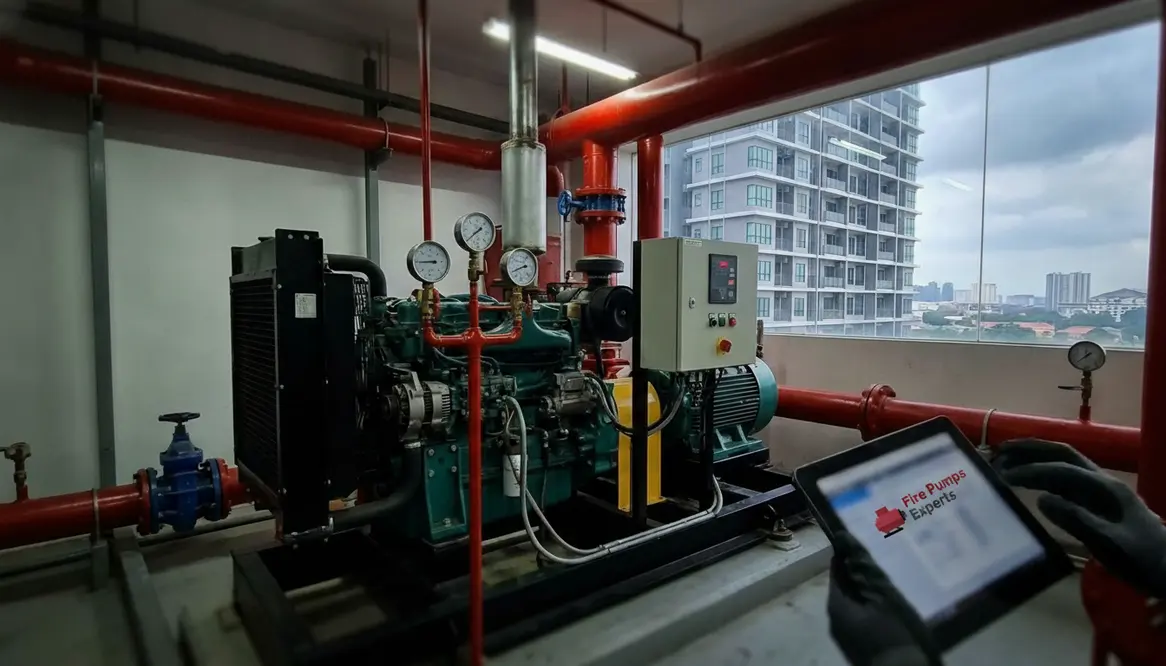
I never treat the pump room as leftover space. It needs proper access, heat control, drainage, lighting, and clear working room around the equipment. If the room gets cramped or too hot, the system suffers. And if the system suffers, the building loses a key layer of defense.
Testing also deserves real attention. I look for a setup that lets teams run flow tests, inspect pressure, and confirm controller response without creating a full site disruption every time. Furthermore, I want maintenance to be practical. If service crews struggle to reach valves or gauges, the system may drift from its design condition over time.
That is why I push developers to think beyond installation. The best fire pump system is not just compliant on day one. It stays dependable for years, even as the building gets busier and the calendar gets meaner.
Designing for the life of the building
When fire pump standards are baked into the concept stage, the pump room layout, access routes, and test arrangements become part of the architecture instead of awkward add ons. That shift keeps future shutdowns shorter, inspections smoother, and reliability where it needs to be when alarms sound at the worst possible hour.
FAQ: Fire Pump Standards for Developers
These are the questions I hear most often when teams start aligning fire pump standards with ambitious international projects.
Final Thoughts and Next Step
If I want a project to move smoothly, I treat fire pump standards as an early design decision, not a late fix. That mindset saves time, reduces risk, and helps the building perform when it matters most.
So, if you are developing commercial or industrial property across borders, start with the standards, confirm the water supply, and plan for long term service. Then bring in the right technical team early and keep the system ready for the real world, not just the drawings. That is how fire pump standards shift from obligation to advantage on every major project.