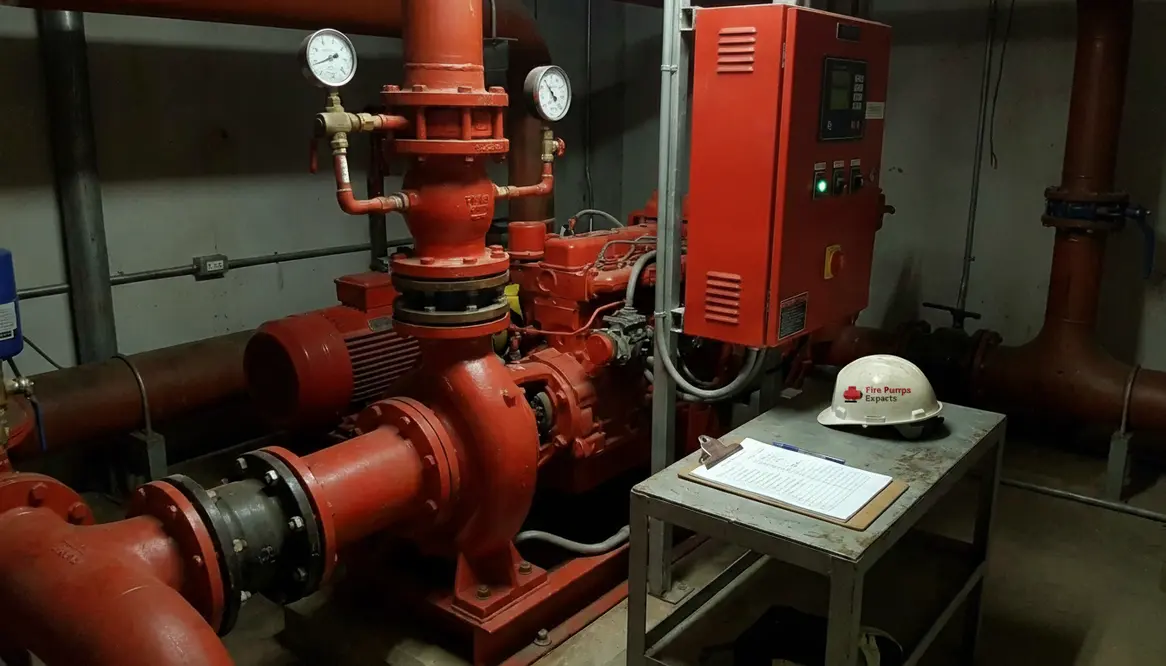
Fire Pump Compliance for Global Property Portfolios
When I look at fire pump compliance across a global property portfolio, I see more than a code box to tick. I see the quiet difference between a facility that stands ready and one that turns into a very expensive cautionary tale. For commercial and industrial buildings, and for major property assets, the fire pump sits in the background like a backup singer who suddenly has to carry the whole concert. If it fails, the show ends fast. So I treat compliance as a live part of risk control, not a dusty binder on a shelf.
Across countries, rules shift, tests change, and local expectations can surprise even seasoned teams. However, the goal stays the same: make sure the pump works when the pressure drops and the stakes climb. That is where smart planning, clear records, and regular checks keep a portfolio steady, safe, and much less dramatic than a season finale cliffhanger.
How I build a global compliance plan
I start by mapping every site against its local fire code, insurance needs, and asset type. Then I group facilities by risk, system age, and critical use. This helps me avoid the usual mess of one site running on last year’s checklist while another uses a brand new test plan. Not ideal. Not even close.
Next, I create a single portfolio standard that sits above local rules but never replaces them. That standard covers inspection timing, test results, repair tracking, and escalation steps. As a result, each property follows the same rhythm, even if the local code language reads like it was written by three committees and a lawyer in a wind tunnel.
What I check in each fire pump system
I focus on the parts that matter most during an actual emergency. First, I review the pump condition, controller status, suction and discharge pressure, power supply, and alarm signals. Then I look at the records for churn tests, flow tests, and maintenance work. If any piece looks weak, I treat it like a warning light on the dashboard. Ignore it, and the bill grows.
Here is the simple version of my field checklist:
- Verify pump start and stop functions
- Check pressure readings against the expected range
- Review test logs for missing or late entries
- Inspect valves, joints, and visible leaks
- Confirm power and controller readiness
- Track repair dates and follow up on open issues
Also, I make sure the team keeps the records clean and current. A fire pump without proof of testing can create just as much risk as a pump that never ran. Paperwork may not spark excitement, but it does save a lot of grief.
Why local rules can change the whole game
I never assume one country’s approach fits another. That mistake can cost time, money, and credibility. For example, one region may require a different test schedule, while another may expect more detailed reporting or a specific inspector qualification. Therefore, I always work with local experts who know the rules on the ground and the habits behind them.
In the middle of a global portfolio, this matters even more. A major warehouse in one market may face a different standard from a hospital tower or a logistics hub in another. So I compare code, insurer needs, and site function before I lock in any plan. Think of it like assembling the Avengers, except the heroes are inspectors, engineers, and facility managers who prefer spreadsheets over capes.
Portfolio dashboard for fast decisions
I like to keep compliance visible. A good dashboard helps me see where the portfolio stands in one glance, and it helps me act before a small issue becomes a full blown outage. Below is the format I use most often.
Site status
Current risk
Fully current
Low
Minor gaps in logs
Medium
Overdue test or repair
High
Unknown condition
Critical
This approach gives me a clear path. Moreover, it helps owners decide where to spend time and budget first. A portfolio does not need more noise. It needs a clean view and a fast response.
How I keep vendors and teams aligned
I use simple rules, clear deadlines, and one chain of responsibility. That way, no one can say, “I thought someone else had it.” That sentence has caused more trouble in facilities than a broken printer and a Friday deadline combined.
I also make sure service partners document their work in plain language. If the report is packed with jargon, I ask for a cleaner version. Then I share the same standard across operations, engineering, and leadership. As a result, everyone knows what passed, what failed, and what needs action. If a vendor offers advice, I ask for it in writing and I tie it to the site record. That habit keeps the whole program honest.
What I do when a site fails an inspection
First, I confirm the failure and the real risk behind it. Next, I assign the fix, set a deadline, and track the repair from start to finish. Then I retest the system and close the loop only when I have proof. I never leave a failed item floating in the system like a forgotten plot twist.
When a site has repeat failures, I dig deeper. I check whether the problem comes from poor upkeep, bad parts, weak staffing, or a bigger design issue. That step matters because repeated repair work without root cause control only burns time. And in property management, time has a way of becoming money with a very sharp edge.
Fire pump compliance across a global portfolio
For owners and asset managers, fire pump compliance is one of those topics that rarely makes the board agenda until something goes wrong. Yet across a global property portfolio, the way each site handles its fire pump testing, certification, and documentation quietly shapes insurance outcomes, audit findings, and worst of all, emergency response performance.
Treating fire pump compliance as a portfolio discipline rather than a site-by-site chore brings consistency. It connects remote warehouses, flagship towers, and regional hubs under one approach. It also makes it far easier to explain to insurers and regulators why your portfolio is under control rather than a loose patchwork of local habits and half-finished logs.
In practice, strong fire pump compliance means clear standards, solid evidence, and a repeatable way to spot gaps early. When you can pull up a dashboard, open a test record, or show a repair trail without digging through outdated folders, you gain credibility and buy yourself valuable breathing room when questions come from regulators, internal audit, or your insurance carrier.
Frequently asked questions
Conclusion and next step
If you manage commercial or industrial properties, or major buildings across more than one market, I recommend treating fire pump compliance as a living program, not a yearly task. Build one standard, respect local rules, and keep every test, repair, and record easy to follow. If you want stronger control, better visibility, and fewer surprises, now is the time to tighten the system and review your portfolio with a sharper eye. The next emergency will not wait, so neither should you. For more resources and reference material, a good starting point is https://firepumps.org.