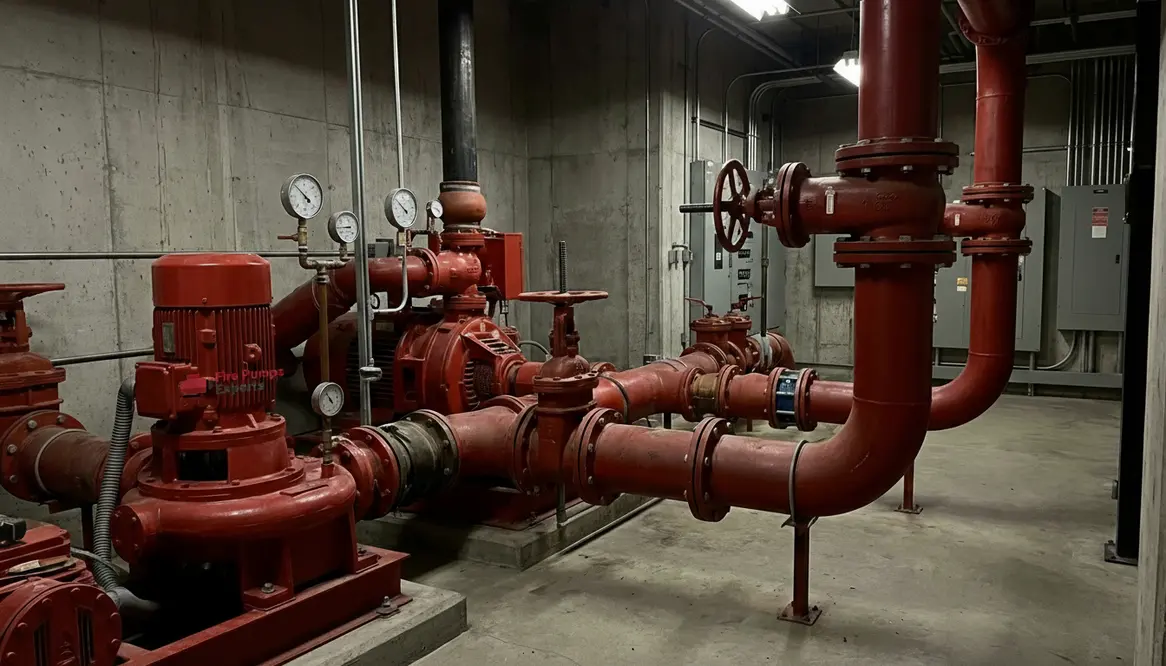
High Rise Condominium Fire Pump Requirements Guide
I have walked through enough mechanical rooms in tall buildings to know one thing for certain. When it comes to safety, nothing hums with quiet authority quite like a properly designed fire pump system. And yes, when we talk about high rise condominium fire pump requirements, we are not just checking a box. We are protecting hundreds of lives stacked floor upon floor like a very expensive game of Jenga. So today, I want to guide you through what really matters, why it matters, and how to approach it without losing sleep or your sense of humor.
Why Fire Pumps Matter in Tall Residential Buildings
First, let me paint a simple picture. Water pressure at street level is not impressed by your 40th floor penthouse. Gravity, stubborn as ever, refuses to cooperate. Therefore, without a fire pump, water simply cannot reach the upper levels with enough force to suppress a fire.
However, this is not just about height. It is also about consistency. Fire pumps ensure steady pressure even when multiple sprinkler heads activate. Meanwhile, local codes and national standards demand precise performance metrics, not wishful thinking.
I like to think of a fire pump as the building’s heartbeat during an emergency. Without it, everything slows. And in fire scenarios, slow is not your friend.
High Rise Condominium Fire Pump Requirements Explained Simply
Let me break this down in plain terms. The high rise condominium fire pump requirements revolve around pressure, flow, reliability, and redundancy. In other words, the system must work every single time, under the worst possible conditions.
Typically, I see systems designed to meet standards like NFPA 20 and NFPA 14. These outline how pumps should be selected, installed, and maintained. Additionally, authorities having jurisdiction often add local requirements, which means no two projects are exactly alike.
Now here is where things get interesting. It is not just about installing a pump. It is about integrating it with standpipes, sprinkler systems, backup power, and alarms. Think of it less like buying a device and more like conducting an orchestra. If one instrument misses a beat, the whole performance suffers.
What Size Fire Pump Does a High Rise Need?
I get this question all the time, and the answer is always the same. It depends. I know, not the dramatic reveal you were hoping for.
However, sizing comes down to hydraulic calculations. Engineers evaluate building height, pipe layout, fixture demand, and required pressure at the highest outlet. Then, they determine the flow rate and pressure the pump must deliver.
For example, a taller building with complex piping will demand higher pressure. Meanwhile, a wider structure may require greater flow. Therefore, guessing is not just risky. It is dangerous.
Also, I always recommend factoring in future demand. Buildings evolve. Systems should too.
Key Design Factors
- Building height and zoning
- Standpipe class requirements
- Sprinkler density and coverage
- Water supply reliability
Operational Considerations
- Backup power integration
- Controller type and redundancy
- Maintenance access
- Testing and inspection schedules
Designing for Reliability and Code Compliance
Now let us talk about reliability. Because a fire pump that works only on sunny days is about as useful as a screen door on a submarine.
First, redundancy plays a major role. Many high rise systems include backup pumps or dual power sources. Therefore, even if one component fails, the system continues to operate.
Next, controllers and monitoring systems ensure automatic activation. No one should be flipping switches during a fire. The system must respond instantly and independently.
Additionally, compliance is not static. Codes evolve. Therefore, regular inspections and upgrades keep systems aligned with current standards. I have seen older systems that technically worked but failed modern expectations. That gap can be costly.
And yes, documentation matters. Inspectors love paperwork almost as much as coffee. Keep everything organized.
Installation Pitfalls I Always Warn About
Even the best design can fall apart during installation. I have seen it happen more times than I care to admit.
For instance, improper pump room layout can restrict maintenance access. Then, when service is needed, technicians end up performing gymnastics that would impress an Olympic judge.
Also, poor alignment or piping errors can reduce efficiency. Over time, that leads to wear and potential failure. Therefore, precision during installation is not optional.
Another common issue involves power supply coordination. Fire pumps require dedicated and reliable power. If that connection is compromised, the entire system becomes vulnerable.
Maintaining Peak Performance Over Time
Once installed, the job is not done. In fact, this is where the real commitment begins.
Routine testing ensures the pump performs as expected. Weekly churn tests and annual flow tests are standard practice. Meanwhile, inspections catch wear before it becomes failure.
I always stress the importance of working with experienced professionals who specialize in commercial and large scale residential systems. These are not DIY projects. Not unless you enjoy surprises of the worst kind.
Moreover, digital monitoring tools now allow real time performance tracking. That means issues can be detected early, often before anyone notices a problem.
Consistency, in this case, is everything.
Making Sense of High Rise Condominium Fire Pump Requirements
By now it should be clear that high rise condominium fire pump requirements touch every stage of a building’s life: design, installation, testing, and long term maintenance. They are not just lines in a code book; they are performance expectations that determine how well a system will behave when people are counting on it most.
If you want a deeper technical dive into topics like pump selection curves, diesel versus electric configurations, or NFPA acceptance testing for high rise condominium fire pump requirements, resources from organizations such as https://firepumps.org can be a useful starting point alongside your local code and engineering team.
FAQ About Fire Pumps in High Rise Buildings
Closing Thoughts and Next Steps
If you manage or develop a tall residential property, now is the time to take fire protection seriously. The right system protects lives, preserves assets, and ensures compliance. Work with experts who understand large scale buildings and can design, install, and maintain systems that perform without compromise. Reach out to a trusted commercial fire pump specialist today and make sure your building is ready when it matters most. Because preparation is always cheaper than regret.