Hong Kong Fire Pump Common Deficiencies Guide
Hong Kong Fire Pump Common Deficiencies may sound like a dry inspection topic, but in commercial and industrial buildings, it is the kind of issue that can turn a routine day into a very bad headline. I have seen how small faults in a fire pump system can quietly build up until the whole setup loses trust. In Hong Kong, where major properties run on tight schedules and strict safety demands, these deficiencies matter more than people like to admit. So, let me walk you through the most common problems, why they happen, and what I look for when I check a system.
What I check first in a fire pump room
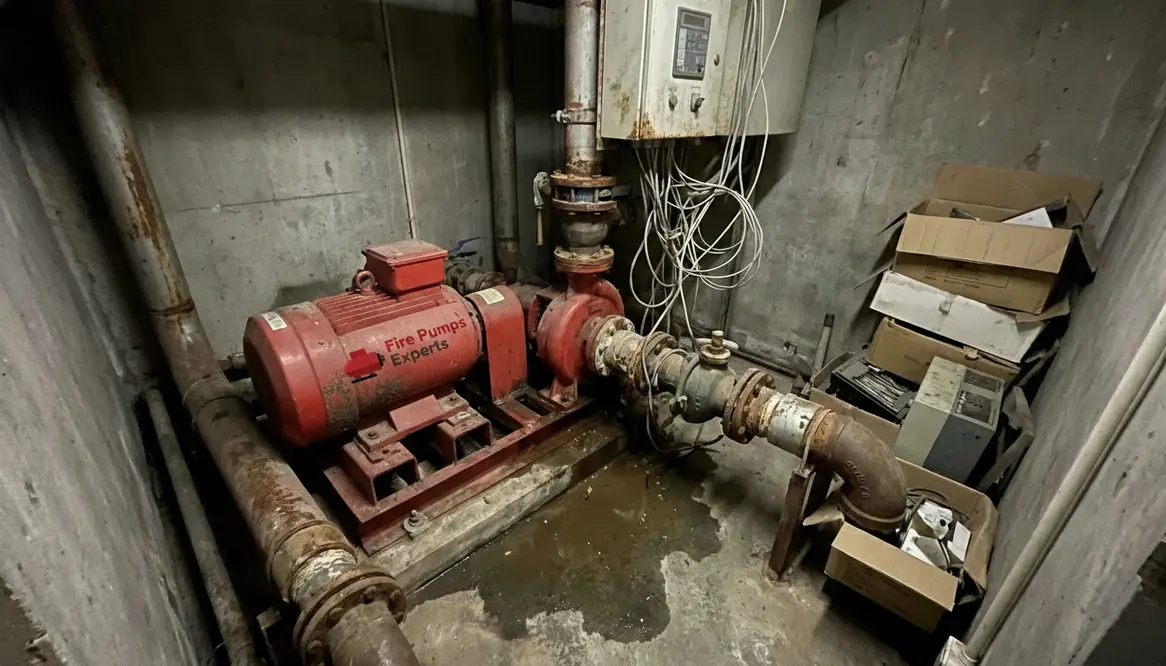
When I arrive at a site, I start with the basics. A fire pump can look fine from the outside and still fail when it matters. That is the trick. The pump room must stay clean, dry, accessible, and properly marked. If I find blocked access, poor lighting, or signs of water leaks, I treat that as an early warning.
In many cases, the first signs of Hong Kong Fire Pump Common Deficiencies show up in the room itself, not inside the pump. Corrosion on fittings, loose electrical parts, and clutter around the equipment all point to weak upkeep. And yes, a storage corner that looks like a scene from an overpacked Marvel warehouse is not helping anyone in an emergency.
Quick visual checklist
- Is the pump room clear, dry, and well lit?
- Are access doors unlocked and unobstructed?
- Any visible leaks, rust, or loose cables?
- Is the area free from “temporary” storage piles?
Why pump performance drops in Hong Kong buildings
Fire pumps in commercial and industrial facilities work hard, but they do not like neglect. Over time, I often see performance drop because of wear, poor maintenance, or bad system setup. A pump that does not start fast, build enough pressure, or hold steady output creates a real risk for the whole building.
Here are the most common causes I see:
Improper pressure settings can stop the pump from meeting demand during a fire event.
Blocked suction lines can reduce water flow and strain the system.
Worn bearings or seals can lead to noise, leaks, and lower efficiency.
Electrical faults can prevent startup, which is a very expensive way to discover a problem.
Weak controller settings can delay response or create false alarms.
These are not rare problems. In fact, they sit near the top of most Hong Kong Fire Pump Common Deficiencies lists because they hit both old and newer buildings. The lesson is simple: a pump is not a “set it and forget it” machine. It needs real attention, not wishful thinking and a hopeful glance.
How I spot maintenance gaps before they grow
Good maintenance keeps small issues small. Bad maintenance does the opposite. I often find that the real weakness is not the pump itself but the routine around it. If no one tests the unit, records pressure levels, or checks the controller regularly, then small faults can hide for months.
Visible warning signs
- Rust on pipes or fittings
- Water around the base of the pump
- Odd vibration during operation
- Dirty panels or loose wires
System warning signs
- Poor pressure during flow tests
- Late pump start
- Frequent controller trips
- Unstable motor behavior
This kind of split view helps me separate what I can see from what the system is actually doing. That matters, because some of the worst Hong Kong deficiencies hide behind a clean floor and a polished casing. A smooth look can fool the eye. The test data never lies, though. It has the charm of a strict teacher, but it gets the job done.
Hong Kong deficiencies I see in commercial and industrial sites
When I work with major properties, I pay close attention to how the building uses the pump system. A high rise, factory, warehouse, or large mixed use site all place different demands on the fire protection setup. That means the same weakness can appear in different forms.
For example, a commercial tower may have a pump room that stays physically intact but suffers from weak test records and delayed service. Meanwhile, an industrial site may have stronger wear from dust, heat, or heavy use. In both cases, the issue still points back to the same thing: the system is not ready enough.
Key Hong Kong Fire Pump Common Deficiencies in major properties
- Poor pump start reliability
- Low water pressure under load
- Corrosion from moisture or aging parts
- Missing or incomplete maintenance logs
- Faulty power supply or controller issues
These problems affect real protection, not just paperwork. And in a city like Hong Kong, where space is tight and building systems run hard, that is a serious matter for anyone tracking Hong Kong deficiencies across a portfolio of sites.
How I reduce risk with better inspection and repair
I always push for a simple rule: inspect early, repair fast, and test again. That approach saves time, money, and a great deal of stress. First, I confirm the pump room conditions. Then, I review pressure readings, electrical function, and water supply stability. After that, I check whether the pump meets the building’s fire demand under proper test conditions.
From defect list to action plan
If I find defects, I do not leave them as “notes for later.” I treat them as active risks. A leaking seal may seem minor, but it can grow into a full failure. A weak controller may still turn on today, but fail tomorrow. That is why regular service matters for commercial and industrial facilities, and especially for major properties where system failure can affect many people at once.
For teams that want deeper guidance, I also suggest reviewing the fire pump inspection and maintenance standards for Hong Kong commercial properties as part of a broader compliance plan. It helps keep the process grounded, practical, and far less dramatic than learning during a real emergency.
Across portfolios, tightening inspection routines and closing out the most common Hong Kong deficiencies early makes the entire fire safety strategy more reliable and a lot less stressful.
FAQ
Conclusion
If you manage a commercial or industrial property in Hong Kong, do not wait for a fire pump problem to become a crisis. I recommend a proper inspection, a clear test record, and quick repairs when faults appear. The best time to fix a weakness is before anyone depends on it. If your building needs a sharper look at fire pump condition, take action now and protect the system that protects everything else.