India Fire Pump Requirements for Large Buildings
India Fire Pump Requirements Explained
When I look at fire protection in India, I see one thing very clearly: a fire pump is not just another machine tucked away in a corner like an old prop from a forgotten movie. It is the muscle behind the whole system. For commercial and industrial facilities, plus major property buildings, the India requirements focus on one simple idea: keep water moving fast, steadily, and when it matters most. So, if a building holds people, equipment, inventory, or a business that cannot afford chaos, the pump system must be sized, installed, and tested with care. That is the rule of the game, and frankly, it is a game nobody wants to lose.
In this guide, I break down what matters, why it matters, and how I would approach compliance for large properties in India. I will keep it practical, because fire safety should not sound like a tax form read by a robot in a grey suit.
What I Mean By India Fire Pump Requirements
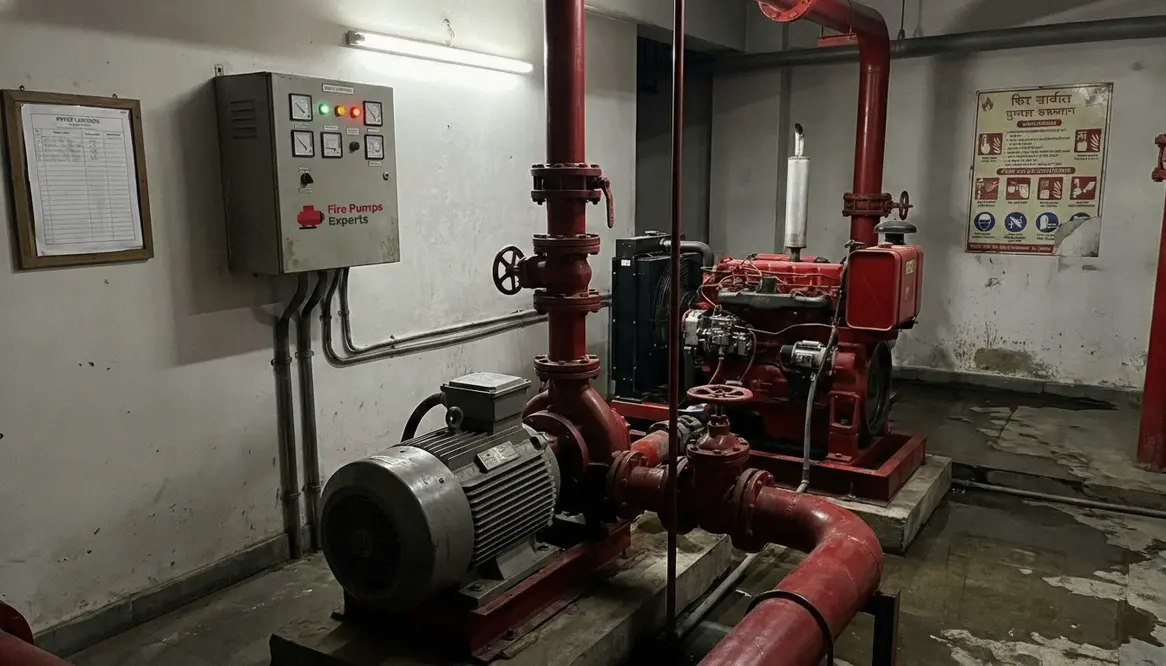
At the core, India fire pump requirements cover the water supply needed for hydrants, sprinklers, and other fire systems in large buildings. I usually think in terms of three things: flow, pressure, and reliability. The pump must deliver enough water at the right pressure, and it must do that even when demand spikes. That is why many projects include a main pump, a standby pump, and a jockey pump. The jockey pump handles small pressure drops, while the main and standby pumps take care of real fire demand. It is a bit like having a backup singer who can actually headline the show if the lead goes missing.
For commercial towers, factories, warehouses, hospitals, shopping centers, and other major properties, the system often follows local fire authority rules, building codes, and insurance needs. Therefore, I always check the site use, water source, occupancy, and hazard level before I talk about pump size or layout.
How I Size a Fire Pump for a Large Facility
Size matters here, and yes, that is one sentence that finally earns its place. First, I look at the water demand from the fire system. Then, I check how much pressure the system needs at the most remote point. After that, I compare those numbers with the available water source. If the supply cannot support the demand, the pump system must fill the gap.
I also account for the type of building. A warehouse with high fire load needs a different setup than a high rise office tower. Likewise, a plant with flammable material needs stronger planning than a plain office block. Because of that, I do not rely on guesswork or a dramatic “this should be fine” approach. That strategy belongs in sitcom plots, not fire safety.
Demand side
- Water flow needed for hydrants, sprinklers, and hose reels
- Pressure needed at the farthest outlet
- Duration of operation required by code or risk plan
Supply side
- Tank capacity or reliable water source
- Pump capacity and pressure curve
- Power source and backup support
India Requirements for Installation and Pump Room Design
The pump room must stay safe, easy to access, and protected from flood, heat, and damage. I want the room close enough to the water source, but not so close that one problem hits everything at once. Also, the layout should allow easy inspection and quick repair. If a technician cannot move around the equipment, then the room design already failed the vibe check.
India requirements also expect proper valves, suction piping, delivery piping, test lines, and control panels. In most cases, I would recommend a diesel driven pump as backup where power loss could affect safety. Electric pumps can serve as the main unit, but backup power planning must stay strong. After all, fire does not wait for the grid to feel cooperative.
What I Check During Testing and Maintenance
Once installed, the system needs regular testing. I always treat this as non negotiable. A fire pump can look perfect and still fail under pressure if nobody tests it. So, I check start up response, pressure build, flow performance, vibration, leakage, controller function, and fuel or power support. I also review the condition of valves, seals, batteries, and alignment.
Routine maintenance matters because commercial and industrial sites run hard. Dust, heat, heavy use, and long operating hours can all wear down the system. Therefore, I suggest a formal log for each test and service event. That log gives proof of care and helps spot patterns before they become expensive surprises. And trust me, a pump failure during an emergency is one of those stories nobody wants to tell at the board meeting.
How I Stay Aligned With Codes and Local Approvals
India fire pump requirements do not live in a vacuum. They connect to local fire authority rules, building plans, insurance terms, and site risk plans. Because of that, I always review the latest applicable standards before final design or upgrade. For a commercial or industrial property, compliance should not feel like a box ticking exercise. It should feel like building a shield that actually works.
If I need a technical partner for design support or system planning, I would use a trusted resource such as fire pump compliance guidance for industrial facilities in India. That kind of support helps align the system with the right duty point, backup setup, and inspection routine. It also keeps the project focused on large properties, which is exactly where careful planning pays off.
Quick View: Where India Requirements Usually Apply
Typical large buildings
- High rise commercial towers
- Industrial plants and factories
- Warehouses with high fire load
- Hospitals and healthcare campuses
- Shopping centers and large malls
Why the pump matters
- Protects life safety systems
- Supports hydrants and sprinklers
- Backs up weaker water supplies
- Aligns with India requirements for risk-heavy sites
- Reduces the chance of catastrophic loss
FAQ
Conclusion
When I plan fire protection for a major building in India, I treat the pump system as critical life support for the whole property. The right sizing, room design, backup support, and testing routine can make the difference between control and collapse. If your facility needs a clear, code aware fire pump plan, now is the time to act. Review your system, confirm your compliance with India requirements, and strengthen it before an emergency forces the conversation.