India NBC Fire Pump Compliance Guide for Buildings
I have seen plenty of building systems that look fine on paper, and then reality walks in like a bad sequel. That is why India NBC compliance matters so much for commercial and industrial facilities, plus major property buildings. It sets the baseline for fire safety design, and when I focus on fire pumps, I focus on the part that moves water when every second counts. In plain terms, the National Building Code of India tells me how to plan, install, test, and maintain fire protection systems so they actually do their job, not just sit there looking important.
So, if you manage a plant, tower, mall, warehouse, hospital, or large office complex, this guide will help me break down what matters, what inspectors expect, and where teams often slip. Because yes, fire safety is serious, but the paperwork can still feel like it was written by a committee of ancient wizards.
What I check first in a fire pump setup
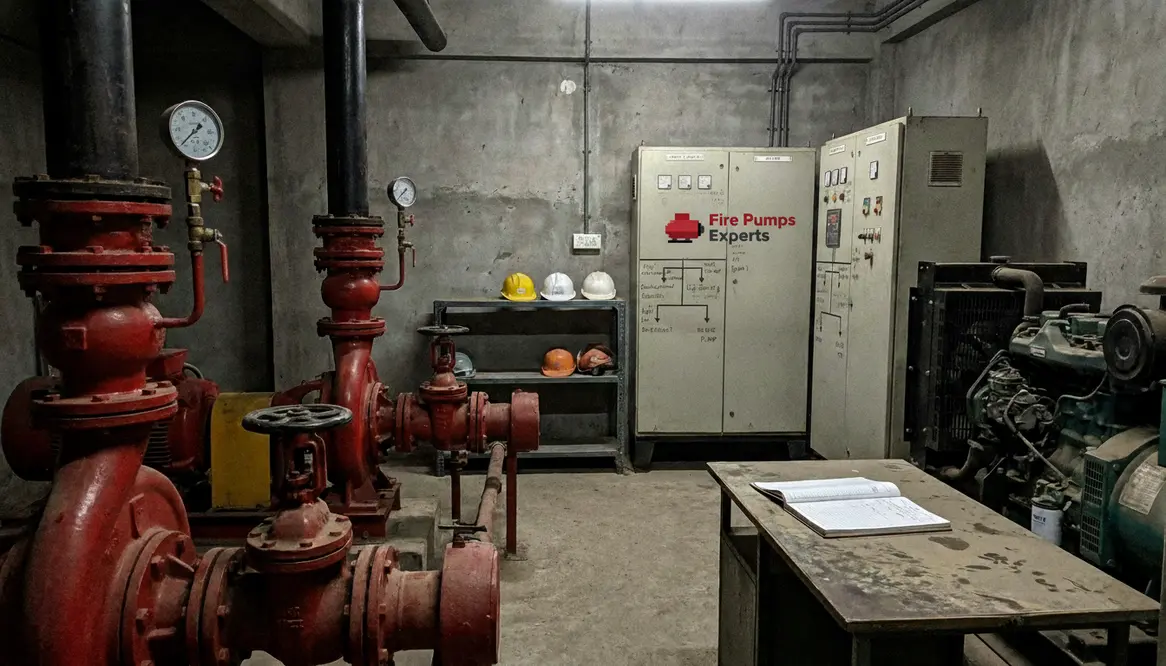
When I start a compliance review, I always look at the full fire pump system, not just the pump itself. That means the pump room, water source, power supply, controllers, jockey pump, suction line, discharge line, valves, and test arrangements all need attention. If one part fails, the whole chain can wobble like a movie prop.
For commercial and industrial sites, I first confirm that the system matches the building risk and occupancy. Then I check whether the pump capacity supports the expected flow and pressure. The pump should not only meet code on paper; it should also handle real demand during an emergency. I also look at access, ventilation, drainage, lighting, and fire separation in the pump room. These details matter because a fire pump room must stay usable when the heat is on, literally.
I also pay close attention to the power source. A compliant setup usually includes a main electric pump and a backup arrangement, often a diesel pump, so the system can keep running during a power cut. Since fire does not wait for office hours, the backup cannot be an afterthought.
How I align India NBC compliance with design and installation
In India NBC compliance, design and installation go hand in hand. I cannot treat them like separate chapters in a novel and hope the ending works out. The layout must support fast water delivery, easy maintenance, and safe operation.
Here is what I focus on during design and installation:
Design item
Pump capacity, head, suction arrangement, pipe sizing, controller type, standby source, and system zoning
What I verify
Matches building risk, supports full demand, avoids friction loss issues, keeps operation stable, and allows maintenance without chaos
Design item
Pump room space, access path, ventilation, lighting, drainage, and fire resistant separation
What I verify
Workers can reach equipment fast, heat does not trap the room, water does not pool, and the room stays protected
Design item
Suction tank or water storage, level control, and refill arrangement
What I verify
The pump always has enough water, refill support stays reliable, and the system avoids dry running
Installation quality matters just as much. Poor alignment, loose fittings, bad cable work, weak supports, or sloppy valve placement can turn a good design into a headache. I always say fire protection is one place where “close enough” is not a strategy. It is a warning sign.
Which tests I use before handover
Before I call a fire pump system ready, I want proof that it works under pressure. That means testing, not guessing. I check the start and stop function, pressure build up, flow delivery, and automatic changeover where needed. I also make sure alarms and indicators work correctly, because in an emergency, silence is not golden.
For compliance, I look for routine test records and commissioning documents. These show that the system passed initial checks and has stayed in shape since then. If a site skips this step, it often discovers problems at the worst possible time. That is the engineering version of “plot twist.”
I also review the inspection schedule. A good program includes regular weekly, monthly, and annual checks. During these reviews, I look at pump run condition, vibration, leaks, battery health for diesel units, controller function, valve position, and water supply status. Even a small pressure drop can hint at a bigger issue hiding nearby.
Why maintenance keeps the system compliant
Compliance does not end after installation. In fact, that is where the real work begins. I treat maintenance as the difference between a system that exists and a system that performs. Fire pumps need regular care because seals wear out, batteries age, lines leak, and components drift out of tune over time.
I advise building teams to keep a clean log of tests, repairs, spare parts, and service dates. That record helps during audits and also shows whether the system has a pattern of failure. If I see repeated issues, I know the site needs a deeper fix, not just a quick patch and a hopeful smile.
For large commercial and industrial facilities, I also recommend reviewing the fire pump room after any building change. New equipment, added load, or pipe changes can affect the system. In other words, if the building changes, the compliance plan should not sit there like it missed the memo.
How I prepare for inspections and audits
When I prepare a site for inspection, I focus on three things: documents, equipment condition, and staff readiness. First, I confirm that drawings, test reports, maintenance logs, and approval records are easy to access. Then I inspect the pump room and check whether labels, gauges, valves, and controls are clear and functional. Finally, I make sure the operations team knows what to do during testing and emergencies.
I also like to compare the actual setup with the approved drawings. If there is a mismatch, I flag it early. That saves time, avoids trouble, and keeps the audit from turning into a stress episode worthy of a dramatic soundtrack.
For deeper support, I suggest reviewing industry resources such as commercial fire pump compliance resources for India NBC. That kind of reference helps teams stay focused on large buildings and industrial facilities, which is exactly where fire pump discipline matters most.
Quick view: India NBC compliance priorities for fire pumps
Four anchor points I always circle back to:
- Design and installation that clearly reflect India NBC compliance for the building’s real fire load and occupancy
- Documented testing that proves the fire pump system can actually deliver required flow and pressure
- Maintenance routines that keep components healthy instead of waiting for a dramatic failure
- Audit readiness where documents, staff, and equipment tell the same consistent story
FAQ
Bringing it all together
Ready to tighten your fire pump compliance? I can help you turn code into action, reduce risk, and keep your commercial or industrial building audit ready. If you want a clear review of your system, I suggest starting with the pump room, testing records, and backup power today. That way, you stay prepared before trouble arrives, and trouble rarely sends a calendar invite.