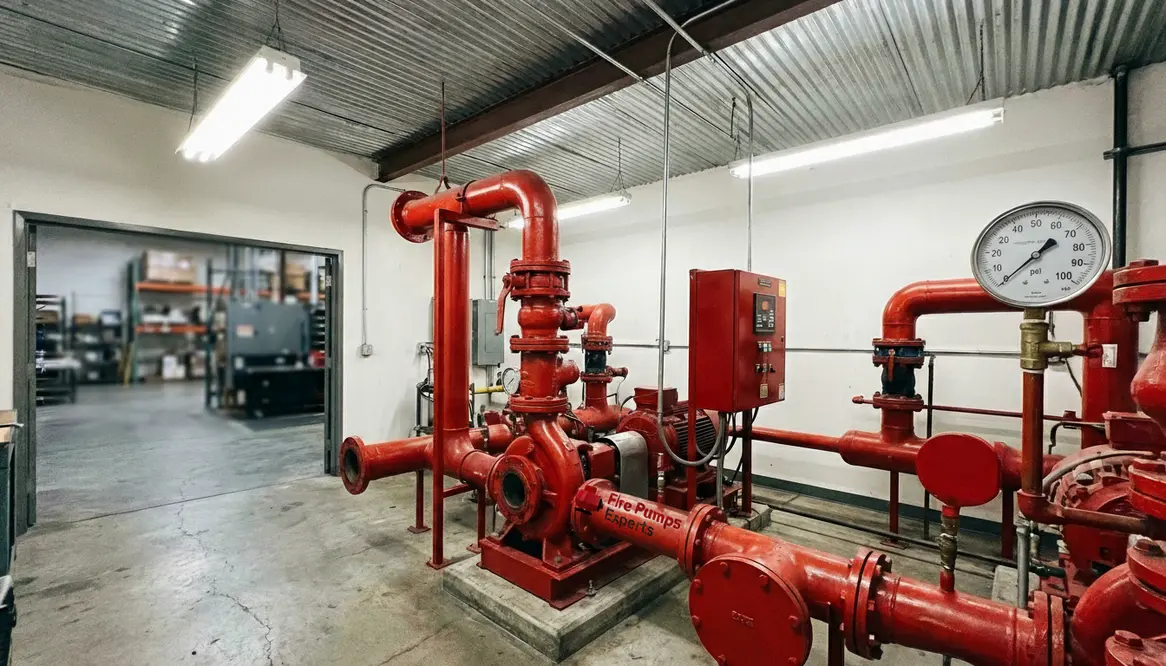
Industrial Fire Suppression Water Systems Vernon CA
Why water pressure, fire pumps, and smart design decide what really happens when the alarms sound in Vernon’s industrial facilities.
I have spent enough time around large facilities to know one truth. When the alarms ring and the sprinklers wake up, water pressure is not just helpful. It is everything. In Vernon, California, where warehouses, food processors, and heavy manufacturing plants run day and night, reliability is not optional. That is why industrial fire suppression water systems vernon ca have become a serious focus for facility managers who prefer their buildings not to resemble a scene from a summer disaster movie.
From high capacity fire pumps to carefully balanced piping networks, the goal is simple. Deliver strong, steady water pressure exactly when the system calls for it. However, achieving that level of reliability requires planning, testing, and the occasional engineer who treats pressure gauges like fine art. So let me walk you through how industrial facilities in Vernon keep their fire suppression water pressure ready for the moment it matters most.
Vernon’s industrial reality
In a city packed with cold storage, food processing, and heavy manufacturing, sprinkler failures are not minor inconveniences. They are full scale business interruptions. Strong water pressure is the difference between a short incident report and a regional news story.
That is why smart facilities treat their fire pumps, tanks, and piping as core infrastructure, not background plumbing.
Why industrial fire suppression water systems vernon ca demand serious pressure management
In large industrial properties, a fire protection system must move massive amounts of water in seconds. A small office building sprinkler system might require modest flow. A 500000 square foot manufacturing complex, on the other hand, needs water pressure that means business.
First, industrial facilities often contain dense equipment layouts, high stacked storage, and specialized processes. Because of this, sprinkler systems must push water through long pipe runs and sometimes multiple floors. Without strong pressure, those sprinklers behave more like garden misters. And while that might be refreshing on a hot day, it does not stop a warehouse fire.
Therefore, engineers design these systems with high demand scenarios in mind. They calculate friction loss through pipes, elevation changes, and simultaneous sprinkler activation. Then they build a water delivery network capable of meeting those demands without hesitation.
Additionally, many Vernon properties connect to municipal water supplies that fluctuate depending on city demand. When everyone showers in the morning, pressure can dip. Because of that reality, facilities install dedicated fire pumps and storage to ensure consistent performance.
In other words, the system cannot depend on luck. And frankly, luck is a terrible fire protection strategy.
What makes industrial pressure different?
- Long pipe runs feeding distant sprinkler heads
- Multiple levels, mezzanines, and tall rack storage
- Specialized hazards that demand higher flow
- Municipal pressure that rises and falls throughout the day
What that means in Vernon
When a facility operator says they have “good city pressure,” that is nice for hand washing. It is not how resilient industrial fire suppression water systems vernon ca are built. Dedicated pumps and storage step in where municipal supply stops.
How do facilities keep fire suppression pressure reliable in large Vernon industrial buildings?
This question comes up a lot, especially from facility directors who suddenly realize their building is roughly the size of a small airport terminal. The answer involves several layered strategies working together.
1. Fire pumps: the heart of the system
First comes the fire pump. This machine acts like the heart of the entire suppression system. When pressure drops during a fire event, the pump activates automatically and boosts water flow through the sprinkler network. Large industrial properties often use electric or diesel driven pumps designed to deliver thousands of gallons per minute.
For facilities that want expert help choosing, testing, and maintaining their pumps, partnering with specialists like those at Kord Fire’s fire pump services can keep those systems ready long before the first alarm ever sounds.
2. Dedicated water supply and storage planning
Next comes dedicated water supply planning. Many Vernon facilities use on site storage tanks to support their suppression systems. These tanks act as insurance policies against municipal fluctuations. When a fire starts, the system draws from both the city supply and stored water.
3. Relentless maintenance and inspection routines
However, equipment alone does not guarantee reliability. Maintenance plays a starring role. Pumps run weekly test cycles, valves receive inspections, and pressure sensors get calibrated regularly. It may sound routine, yet this discipline ensures the system performs perfectly under real pressure.
And yes, there is a little humor in the process. I once heard a technician say he trusts his fire pump more than his morning coffee. Considering how early those inspections happen, that is saying something.
The infrastructure behind steady fire suppression pressure
Behind every dependable system lies a network of components that quietly handle enormous responsibility. Industrial fire protection networks resemble carefully orchestrated plumbing highways.
Let me break down the core pieces that keep pressure stable across large commercial properties.
System components
- Fire pumps
- Water storage tanks
- Backflow prevention assemblies
- Pressure relief valves
- Supervisory sensors
- Large diameter piping networks
Role in pressure reliability
- Boost flow instantly during activation
- Provide reserve water supply
- Protect municipal water systems
- Prevent dangerous overpressure
- Monitor pressure and valve status
- Reduce friction loss across long distances
When engineers design these systems, they consider every inch of pipe and every pressure drop along the way. Long horizontal runs, tall storage racks, and ceiling heights all influence system calculations.
Furthermore, large facilities sometimes divide their networks into zones. Zoning allows the system to maintain ideal pressure in different parts of a building. For example, a high ceiling distribution center may need stronger pressure than a packaging area.
All of this careful design ensures that when sprinklers activate, water arrives with authority instead of politely trickling in like it is asking permission.
Designing resilient industrial fire suppression water systems vernon ca for high demand facilities
Vernon hosts some of the most demanding industrial environments in Southern California. Food production plants, cold storage facilities, metal fabrication shops, and logistics hubs all share one requirement. Fire protection must function perfectly.
Because of this, system designers approach each project with a risk focused mindset. They analyze the facility layout, stored materials, and operational hazards before specifying equipment.
For instance, high pile storage warehouses require strong pressure to reach elevated sprinkler heads. Similarly, facilities using specialized manufacturing processes may require additional water demand during suppression events.
Engineers also anticipate growth. Industrial buildings rarely stay the same. Racking changes, production lines expand, and equipment moves. Therefore, designers often build systems with additional capacity so that pressure remains stable even after future modifications.
Redundancy, backups, and “the sequel” mindset
Another critical factor involves redundancy. Reliable industrial fire suppression water systems in Vernon CA often include backup pumps or secondary power sources. If electricity fails during an emergency, diesel driven pumps continue pushing water through the system.
It is the engineering version of the classic movie line. Hope for the best, prepare for the sequel.
The culture of testing and maintenance that keeps pressure ready
Even the most advanced system needs attention. In industrial environments, routine testing becomes the difference between theoretical performance and real world reliability.
Weekly and annual testing rhythms
Facility teams schedule weekly fire pump tests to verify that pressure levels rise exactly as expected. During these tests, technicians monitor gauges, measure flow rates, and confirm automatic activation sequences.
In addition, inspectors regularly examine control valves and supervisory switches. A partially closed valve can quietly sabotage pressure throughout an entire sprinkler network. Catching that issue early prevents a very unpleasant surprise later.
Annual flow testing provides even deeper insight. During these evaluations, professionals measure how much water the system can deliver under full demand conditions. If performance drops, technicians identify restrictions, pipe corrosion, or pump wear before it becomes a safety risk.
Modern monitoring and real time visibility
Meanwhile, modern monitoring systems now send alerts when pressure changes unexpectedly. Sensors report real time conditions to facility managers so that issues get resolved quickly.
It is a bit like having a health tracker for your fire protection system. Except instead of counting steps, it counts gallons per minute.
FAQ about fire suppression water pressure in industrial facilities
These are the questions facility managers in Vernon tend to ask right after they see how big their test reports really are.
Protecting your facility starts with reliable water pressure
Industrial buildings in Vernon operate at a serious scale, and their fire protection systems must match that scale. Strong pressure, reliable pumps, careful engineering, and disciplined testing all work together to keep these properties protected. If your commercial or industrial facility needs guidance on designing, upgrading, or maintaining its fire suppression infrastructure, connect with experienced specialists who understand high demand environments. The right system today can protect your people, your property, and your operations tomorrow.