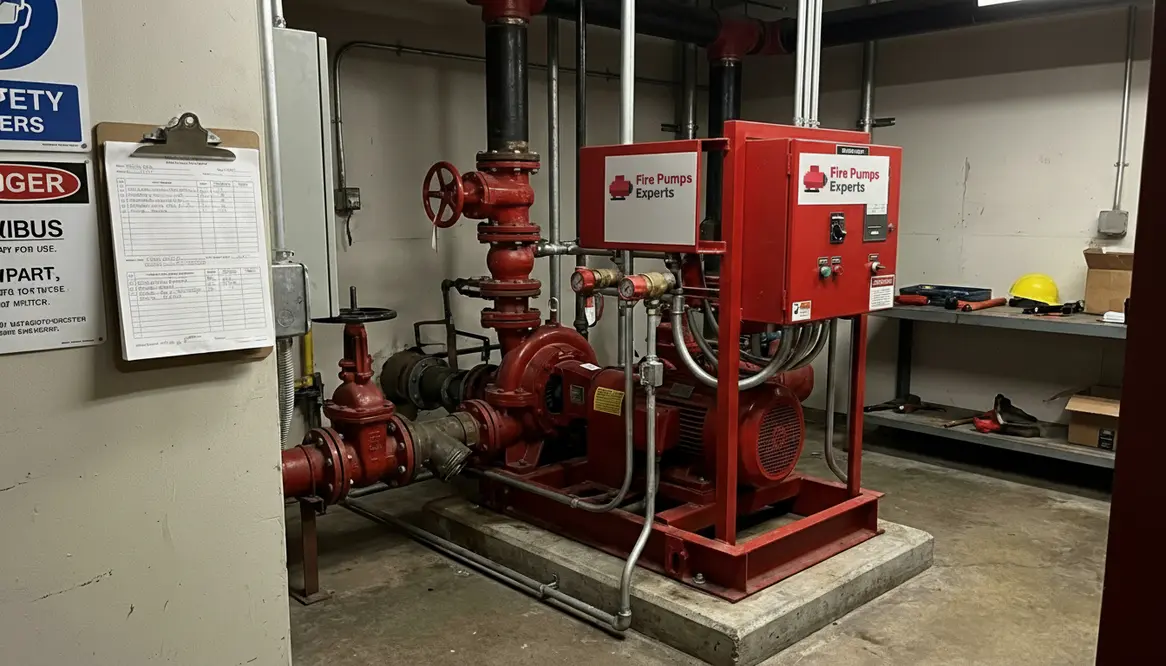
LPC Rules Fire Pump Compliance Guide for Facilities
When I talk about LPC Rules compliance, I am talking about the kind of work that keeps commercial and industrial facilities ready when water pressure drops and a fire alarm stops being just a drill. Fire pumps are not decoration. They are the quiet muscle behind a building’s fire protection plan, and if they fail, the whole system can wobble like a movie sequel nobody asked for. So, I keep my focus on major properties, warehouses, plants, campuses, and other large facilities that must follow the rules with care.
Here is the good news. I can make this simple. I can also make it useful. In this guide, I walk through what matters, why it matters, and how I keep a facility moving toward compliance without turning the process into a full time drama.
What LPC Rules compliance means for a fire pump
LPC Rules compliance means I verify that the fire pump, its controls, its water supply, and its test results match the standards that protect the building. I do not treat it like a box checking game. Instead, I look at the pump as part of a larger safety chain. If one part slips, the chain can weaken fast.
In practice, I focus on a few core points. First, I check that the pump can start when needed. Next, I make sure the suction source can support demand. Then, I review the controller, power source, valves, and test setup. Finally, I confirm that records show the system has been inspected and tested on schedule. That is where many facilities get stuck. They have the equipment, yet the paper trail tells a different story. And yes, the paperwork gremlin always shows up at the worst time.
Fire pump requirements for commercial and industrial facilities
For large facilities, I always start with the building use, water demand, and system design. A high rise office tower does not behave like a warehouse full of inventory, and a manufacturing plant brings its own risks. Therefore, I match the fire pump setup to the actual hazard, not to some generic idea of safety.
Core elements I verify
- Water supply must support the pump demand
- Pump size must fit the hazard and system layout
- Controllers must respond correctly under start conditions
- Power and backup support must stay reliable
- Valves, gauges, and alarms must work as designed
- Maintenance records must stay current and complete
Also, I pay attention to access. If a pump room feels like a storage closet from a low budget sitcom, I already see trouble. Fire pump spaces need room, light, and clear access so staff and inspectors can do their jobs without playing obstacle course.
How I check a fire pump for LPC Rules compliance
When I inspect a fire pump, I use a step by step process. First, I confirm the pump type and rating. Then I review the controller, power source, and condition of the suction and discharge lines. After that, I look at the weekly or monthly test data, depending on the system setup. I also check for leaks, corrosion, vibration, unusual noise, and signs that the pump has not been exercised properly.
Next, I compare the field conditions with the records. This part matters more than people think. A clean log with missing tests is not compliance. A working pump with no proof of testing is not compliance either. I want both: the equipment and the evidence. That is the sweet spot, and it is what keeps LPC Rules compliance from turning into a guessing game.
What I review step by step
Dual column view
What I look for
Proper start test results
Steady suction pressure
Clean controller status
Complete service logs
Visible wear or damage
Missing signs, tags, or labels
Why it matters
Shows the pump can activate when needed
Helps confirm the water source can support flow
Reduces the chance of a failed start
Proves ongoing LPC Rules compliance
Flags problems before they become costly
Creates confusion during inspection or emergency response
Common mistakes that hurt compliance
I see the same problems again and again. First, facilities delay testing because operations feel too busy. That choice usually becomes more expensive later. Second, teams ignore small leaks or odd pump sounds, hoping they will vanish like a plot twist in a streaming show. They do not. Third, people forget that a pump room can change over time. New storage, blocked access, or broken lighting can all weaken compliance.
Also, some sites rely on old reports without verifying current condition. That is risky. Fire protection needs fresh eyes. It also needs people who know the difference between “looks fine” and “passes review.” Those are not the same thing, even if the spreadsheet wants to pretend otherwise.
How I prepare for inspection and ongoing testing
I keep preparation simple, but I never keep it shallow. Before an inspection, I review the most recent test records, confirm that the pump room is open and clear, and make sure all major components are visible. Then I verify that the staff knows who handles the pump system and who calls the service team if a problem appears.
After that, I recommend a steady rhythm. Regular tests catch trouble early, and early action saves time, money, and stress. For larger facilities, I also suggest using a service partner that understands commercial and industrial fire pumps, not a general contractor trying to improvise in a suit. If you need a reference point, I would start with the fire pump compliance resources at https://firepumps.org because the right guidance can keep the whole system aligned with LPC Rules compliance.
FAQ
Conclusion
If I want a fire pump to stay ready, I do not wait for a problem to announce itself with sirens and bad timing. I stay ahead of the work, keep records clean, and verify that every part of the system supports LPC Rules compliance. For commercial and industrial facilities, that discipline protects people, property, and operations. If your site needs a stronger compliance plan, now is the time to review the pump, tighten the process, and act before the next inspection arrives.