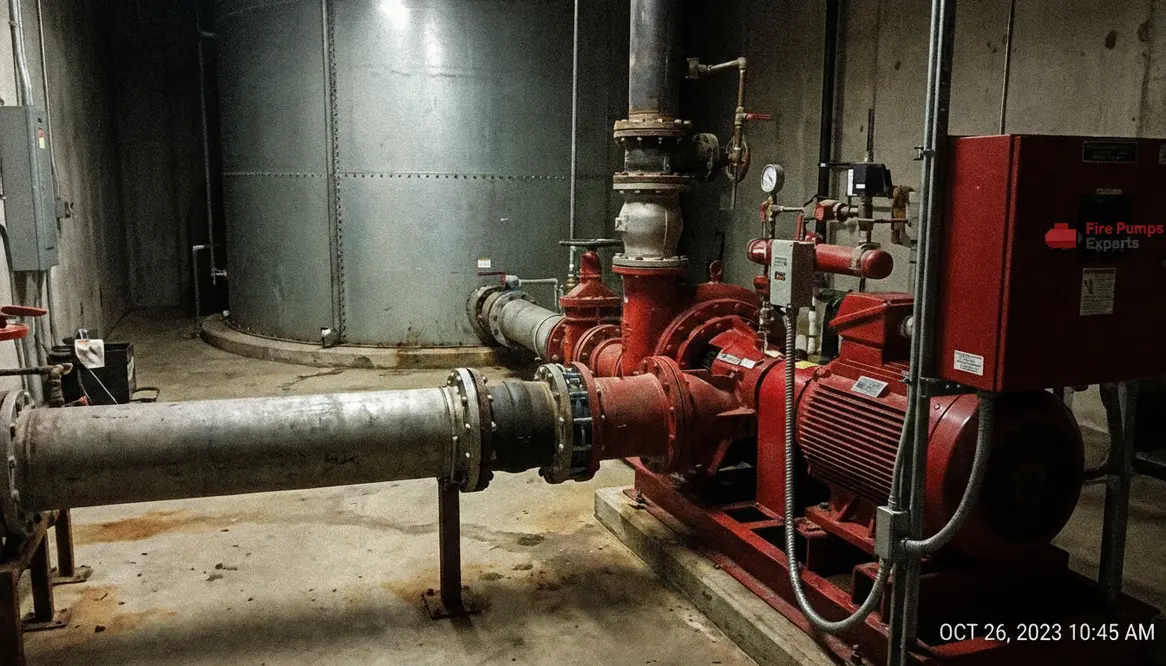
LPC Rules Fire Pump Tank and Suction Guide
LPC Rules Fire Pump Tank and Suction Requirements can feel like one of those topics that lives in the shadows until the day it matters. Then, suddenly, it matters a great deal. I have seen it happen in commercial towers, warehouses, hospitals, and other major properties where the fire pump must work without drama, delay, or excuses. In this article, I will walk through the key tank and suction rules in a clear way, with the LPC Rules tank kept front and center so you can see how it affects real fire pump design and compliance.
What I look for first in an LPC Rules fire pump setup
When I review a fire pump system under LPC Rules, I start with the basics: water supply, tank sizing, suction path, and reliability. That sounds simple, yet the details can make or break the whole system. If the tank cannot feed the pump fast enough, the pump is just a very expensive paperweight. And nobody wants that kind of office décor.
For commercial and industrial facilities, I always check that the water source can deliver the required flow for the full demand period. The tank must support the fire pump without a drop in performance, and the suction arrangement must reduce the chance of air intake, blockage, or cavitation. In plain terms, the pump needs a smooth drink of water, not a struggle through a straw in a hurricane.
Water supply checks
I confirm the available flow, pressure, and duration, then compare them with the building’s fire protection demand so the LPC Rules tank and pump are matched to reality, not guesswork.
Suction reliability
I look for a short, direct suction line, with minimal fittings and sensible valve placement, so the pump does not starve the moment it is needed most.
How I size the LPC Rules tank for real fire demand
The LPC Rules tank must hold enough water for the fire protection demand that the building actually needs. That means I do not look at tank size as a random number on a drawing. I treat it as a life safety reserve tied to the hazard, the building type, and the duration of supply expected by the rules.
In many major properties, the tank acts as the main buffer between the fire event and the water supply system. Therefore, I confirm the usable volume, not just the headline capacity. Freeboard, dead water, and outlet position all matter. If the pump cannot access the full usable supply, the tank may look generous on paper while quietly underperforming in the field. That is the kind of plot twist I prefer to avoid.
Also, I keep an eye on refill arrangements where they apply. A tank that refills too slowly may still fail to support the required fire duty. So, the design must match the actual risk, not just the wishful thinking of a project meeting.
Usable vs total volume
I separate headline volume from the water the pump can actually use. Dead zones below outlets or above low-level cutouts can quietly reduce the real capacity of an LPC Rules tank.
Refill performance
Refill rates, incoming main capacity, and control arrangements must keep up with the fire demand, not just look respectable on a specification sheet.
What I check in suction requirements for fire pumps
Suction design is where good intentions meet physics. The pump needs enough positive suction head, a short and direct path, and a layout that avoids trapped air. I always inspect the suction pipe size, the number of bends, the valve arrangement, and the placement of the strainer or screen if one is used.
Here is the part that people sometimes underestimate: poor suction conditions can damage the pump even when the tank is full. Cavitation, vibration, and flow loss can all show up when the suction side is weak. That is why I prefer a clean, direct suction line with proper support and a layout that keeps the pump fed smoothly.
In commercial and industrial facilities, suction piping should also stay accessible for inspection and maintenance. After all, a hidden problem is still a problem. It just becomes harder to complain about until it breaks something.
Typical suction checks I make
- Is the suction pipe at least as large as the pump suction flange, with no unnecessary reductions?
- Is there enough straight pipe length before the pump to give a stable flow profile?
- Are valves fully openable, lockable if required, and located where someone can reach them under pressure?
- Is the strainer easy to access, clean, and monitor so it does not become a surprise blockage?
Why LPC Rules tank placement matters in commercial buildings
Tank location affects performance more than many teams expect. I always review whether the tank sits at the correct height, whether suction lift is avoided where possible, and whether the pump room has the right access for maintenance and emergency response. If the tank sits too far from the pump or the pipe run becomes too complex, the system loses efficiency and reliability.
In practice, I look at tank placement in two ways:
Operational access so technicians can inspect, test, and service the system without a maze of obstacles
Hydraulic performance so the pump receives a stable supply with minimal resistance
That balance matters because a fire pump system must work under stress, not just pass a drawing review. A polished layout may impress people at first glance, but the real test comes when the system has to perform on a rough day, which is usually when Murphy decides to clock in.
Linking placement back to the LPC Rules tank
Every time I review an LPC Rules tank, I connect its location, elevation, and pipework back to what the rules expect in terms of net positive suction head and continuous flow. A tank that looks impressive in a basement corner or on a distant service yard can still leave the pump fighting against friction loss, elevation changes, and awkward pipe runs.
How I verify compliance without overcomplicating the job
I keep compliance checks practical. First, I confirm the tank capacity against the required duty. Next, I check the suction arrangement for pipe size, straight runs, isolation valve placement, and any source restrictions. Then I review the overall system for consistency with the LPC Rules fire pump tank and suction requirements.
Dual view of the review process
Design side: I check drawings, flow needs, and tank volume early so the project does not drift into an expensive redesign later.
Site side: I compare the installed system with the drawings, because the field has a funny habit of ignoring the plan when nobody is watching.
This approach works well for large commercial and industrial properties because it reduces risk before commissioning. It also helps teams spot weak points that could affect insurance approval, inspection results, or system reliability.
When I connect these checks back to the LPC Rules tank, I focus on whether the intended fire demand, suction performance, and refill strategy all line up. That way, the tank, pump, and pipework act as a single reliable system instead of three separate guesses.
Frequently asked questions on LPC Rules fire pump tanks and suction
Bringing LPC Rules tank and suction checks together
Need help checking your LPC Rules fire pump tank and suction requirements? I can help you review the design, spot weak points, and improve reliability before the system becomes a problem in the real world. If you manage a commercial or industrial facility, or a major property building, now is the time to act. A proper review today can save a very expensive headache later, and those headaches never arrive at a convenient hour.
For deeper technical references on LPC Rules fire pump setups, including LPC Rules tank guidance and suction arrangements, you can find additional material at https://firepumps.org. Use those details alongside a practical site review to turn drawings, tanks, and pumps into a coherent, reliable fire protection system instead of a collection of expensive parts waiting for trouble.