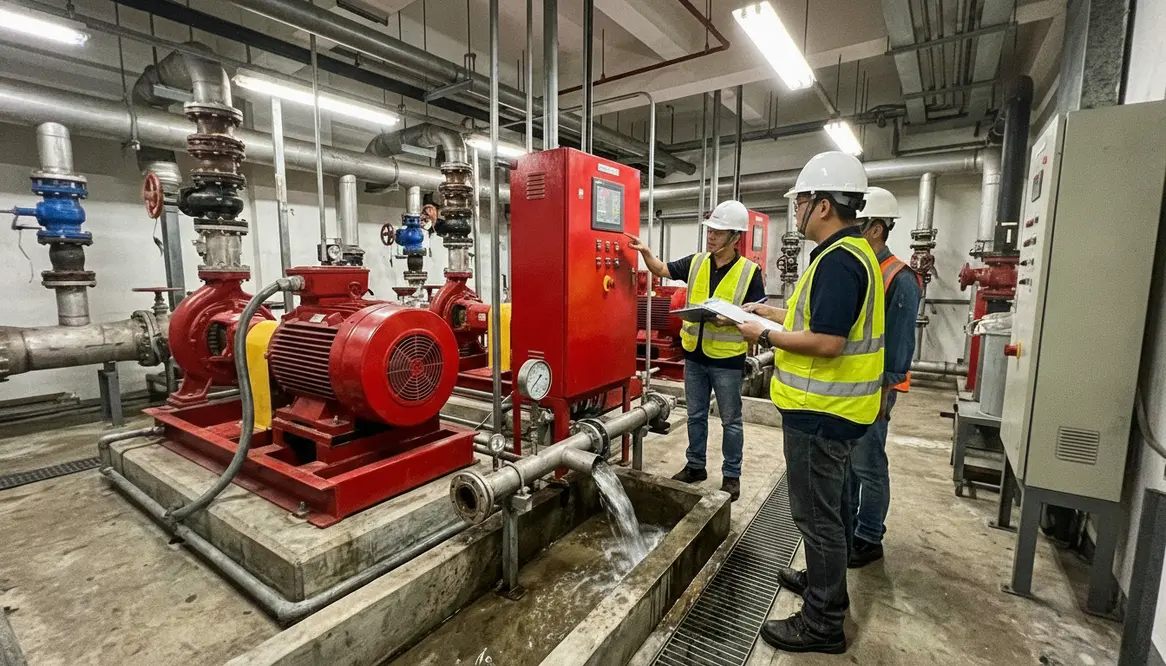
LPC Rules Fire Pump Acceptance Testing Guide for Commercial and Industrial Buildings
I have seen a lot of fire pump tests that looked fine on paper and then turned into a slow, awkward scene in real life. That is why I take LPC Rules testing seriously from the start. In commercial and industrial buildings, and in major property sites, this test is not a box to tick and forget. It proves the fire pump can do its job when pressure drops and the system needs help fast. In this guide, I will walk through the process, the checks, and the common mistakes so you can move with confidence instead of hope. Hope is nice. Code compliance is nicer.
What LPC Rules testing means for fire pump acceptance
LPC Rules testing is the acceptance process I use to confirm a fire pump meets the needed performance and installation rules before a facility goes live. It checks that the pump starts, builds pressure, delivers the right flow, and works with the full fire protection system. In a large warehouse, plant, office tower, or other major property, that matters because a weak pump can turn a small fire into a headline nobody wants.
First, I verify the pump type, driver, power supply, and control setup. Then I compare the installed system against the approved design. After that, I move into the live test. This is where the numbers stop pretending and start telling the truth.
I also keep one thing in mind. The goal is not to admire equipment like it is a new superhero suit. The goal is to prove it will perform under real demand.
How I prepare for acceptance testing
Preparation sets the tone for the entire test. If I rush this part, the rest of the day can go sideways fast. So I start with documents, site conditions, and safety controls.
Before I run LPC Rules testing, I check:
- Approved drawings and pump data
- Water supply details and tank levels
- Controller settings and alarm functions
- Power source and backup power status
- Valves, gauges, fittings, and test headers
- Site access and safe test discharge path
Next, I make sure the pump room is ready. The room must stay clear, dry enough, and easy to access. I also confirm that the discharge line can handle the test flow without causing a mess or damaging the site. No one wants a water feature in the loading dock unless the property owner ordered one by mistake.
After that, I line up the people who need to be there. That usually includes the fire protection team, the site rep, and anyone responsible for witnessing the test. Clear roles save time, and time matters when multiple systems depend on one pump.
What I check during the fire pump test
During the live acceptance test, I watch the pump behave under each required condition. I do not just glance at the gauges and call it a day. I follow the sequence, compare readings, and look for a stable result.
Core test sequence I use
Step
Start up
What I verify
The pump starts on demand without delay
Why it matters
It proves the system will react when needed
Churn condition
The pump shows pressure rising to the expected point
It shows the pump can build pressure properly
Flow test
The pump delivers water at set demand levels
It confirms real performance, not just a nice sound
Pressure stability
The pump holds required pressure through the test
It helps avoid weak coverage in the system
I also check alarms, controller signals, and automatic start functions. Then I watch for vibration, leaks, strange noise, or signs of stress. A fire pump should not act like a drama queen. It should run steady, clean, and predictable.
In many cases, I record readings at shutoff, rated flow, and peak demand points. These results help confirm the pump curve matches the installed system. If the numbers drift too far, I stop and investigate. Guessing has no place in fire protection.
Common LPC Rules testing mistakes I see
Most failures do not come from one huge disaster. They come from small misses that stack up like bad decisions in a crime movie. So I pay attention to the details that people often skip.
The most common mistakes include:
- Starting the test before the system is fully ready
- Using the wrong gauge or not calibrating tools
- Missing a weak power supply or controller issue
- Ignoring small leaks that hint at bigger trouble
- Not checking the water source under real demand
- Failing to document every reading clearly
Another problem is treating the acceptance test like a one person show. It is not. I get better results when the installer, owner, and inspector stay aligned. When everyone knows the plan, the process moves faster and with fewer surprises.
Also, I never ignore strange results just because the pump “almost passed.” Almost is fine for karaoke. It is not fine for fire protection in a major facility.
How I document results and close the job
Once the test ends, I move straight into documentation. Good records matter because they prove compliance, support future service, and give the owner a clean handoff. I include test conditions, pressure readings, flow values, alarm checks, and any fixes needed before final approval.
If I find a problem, I note it clearly and explain what must happen next. That can include rework, retesting, or follow up checks on the water supply or controls. I also make sure the final report matches the installed condition, not just the original plan. Buildings change, and so do the systems inside them.
For teams that want deeper guidance, I recommend using a trusted resource like fire pump acceptance testing guidance for commercial properties. It helps keep the work focused on commercial and industrial sites where system reliability really counts.
FAQ
Next step for a safer handoff
If you manage a commercial or industrial property, do not leave fire pump approval to chance. I use LPC Rules testing to confirm the system is ready, dependable, and fully documented. If you need a clear path from setup to sign off, now is the time to act. Review your current pump plan, verify the test schedule, and make sure every piece is ready before the first flow check begins. Your building deserves certainty, not a guess wrapped in a clipboard.