LPC Rules Fire Pump Inspection Checklist Guide
LPC Rules Fire Pump Inspection Checklist is not the kind of phrase that lights up a room, and yet it sits at the heart of life safety for commercial and industrial properties. I have seen plenty of building teams treat fire pumps like the quiet actor in a superhero film: no one cheers for it, but everyone wants it to show up when things go wrong. In this guide, I walk through the LPC Rules inspection process in a clear, practical way so you can keep your system ready, your reports clean, and your facility in line with real world expectations.
What I check first in an LPC Rules fire pump inspection
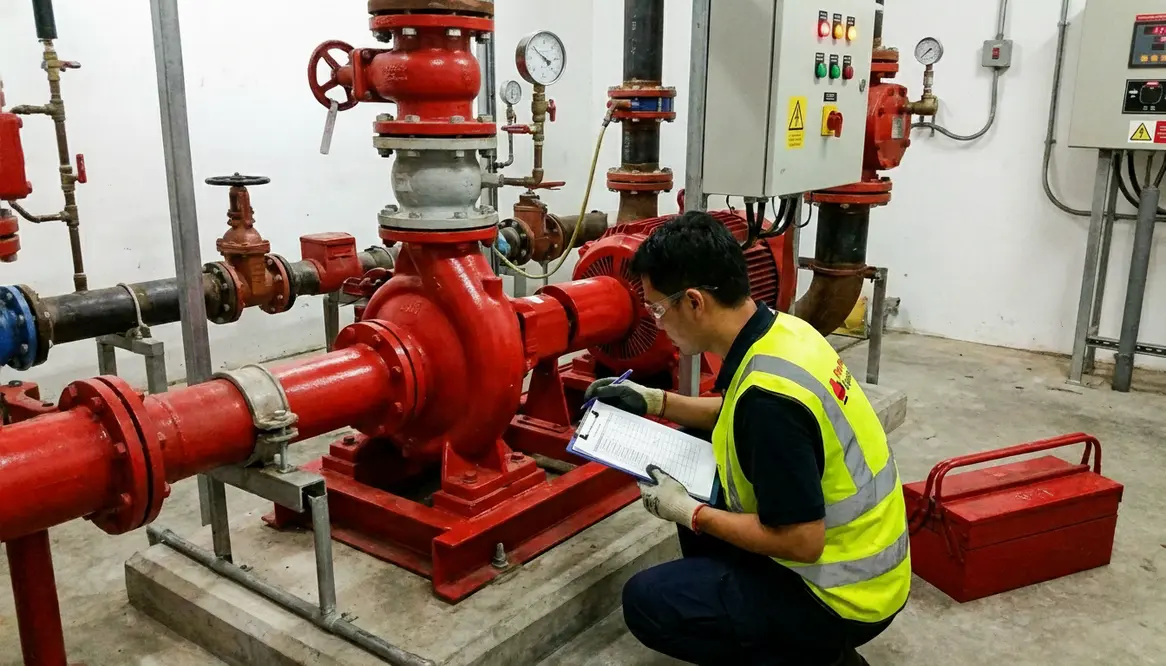
I always start with the basics, because the basics catch most of the trouble before it turns into a headache. First, I confirm the pump room is clean, dry, and easy to reach. Then I look at the pump, driver, controllers, valves, gauges, and power supply. After that, I check for leaks, strange noise, corrosion, and anything that looks like it was installed during a very long Monday.
I also confirm the fire pump has clear access and proper labels. Since commercial and industrial sites often have busy back rooms and tight mechanical spaces, clutter can hide real problems. Therefore, I want a clear path, working lights, and enough room to inspect every part without a wrestling match.
Here is the first part of my LPC Rules inspection checklist:
- Check pump room access and housekeeping
- Inspect pump casing, seals, and packing for leaks
- Review suction and discharge valve position
- Confirm gauges read normally
- Look for rust, damage, and loose fittings
- Verify nameplates and labels are visible
How I test the fire pump without making a mess of the day
Once the visual review looks good, I move into operational testing. This part matters because a fire pump can look fine and still fail when pressure drops. So, I test the pump under the proper conditions and watch how it starts, runs, and responds. In plain terms, I want proof, not promises.
I check automatic start, manual start, and transfer behavior if the setup includes an electric driver and backup power. Also, I verify controller indicators, alarm signals, and pressure settings. If the pump hesitates, surges, or sounds like it wants a career change, I dig deeper.
Operational checks at a glance
What I watch
- Start time
- Pressure rise
- Controller alarms
- Driver behavior
- Water flow signs
Why it matters
- Delays can reduce fire protection
- Confirms proper pump output
- Shows system status and faults
- Helps spot weak motors or engine issues
- Reveals hidden leaks or valve trouble
Because many major property buildings depend on stable water delivery, I treat every odd reading as a clue. Moreover, I record results right away so the inspection report stays sharp and useful.
What the LPC Rules inspection record should show
A strong inspection is only half the job. The record has to tell the story. I keep notes that show what I checked, what I measured, what failed, and what needs follow up. That way, the maintenance team does not have to guess whether I meant “slightly noisy” or “this pump sounds like Darth Vader breathing through a paper fan.”
The report should include the date, site name, system type, test results, and any corrective action. It should also note any deferred repairs and who owns the next step. Since LPC Rules inspection work often supports compliance reviews, the record must stay clear, complete, and easy to trace.
Why trend notes matter
I also recommend adding trend notes. If a gauge drifts month after month, that pattern matters. Likewise, if the same valve sticks every quarter, the issue is not random. It is a signal.
How I handle common fire pump problems in large facilities
In big commercial and industrial properties, the same few problems show up again and again. First, I see low suction pressure caused by valve issues, blocked strainers, or supply trouble. Next, I find electrical faults, weak batteries, controller alarms, or poor phase balance. Then there are mechanical issues like worn bearings, packing leaks, and vibration.
I do not ignore small problems. In fact, small problems often wear a tuxedo and arrive with bigger problems. If I catch a drip today, I may prevent a shutdown next week. If I hear vibration now, I may avoid a costly repair later. Therefore, I push for fast fixes and clear follow up.
I also work closely with facility staff so they understand what changed and why it matters. When everyone knows the status of the pump, the whole building stands stronger.
Fire pump inspection checklist for LPC Rules compliance
When I build a final LPC Rules fire pump inspection checklist, I want it to cover each major point without becoming a novel. So I keep it simple, direct, and tied to the actual system on site.
- Inspect pump room condition and access
- Check pump, motor, controller, and jockey pump
- Confirm suction and discharge pressure
- Test automatic and manual start functions
- Review alarms, power supply, and backup source
- Look for leaks, vibration, heat, and unusual sound
- Verify valves, gauges, and labels
- Document results, faults, and repair needs
For building owners and managers who want deeper guidance, I suggest reviewing the fire pump inspection guidance for commercial and industrial facilities. It helps keep the focus where it belongs: major properties, serious systems, and dependable protection.
Where LPC Rules inspection fits in your strategy
A well-structured LPC Rules inspection does more than satisfy paperwork. It supports upgrade planning, budget decisions, and honest conversations with insurers about how resilient your building really is.
FAQ
Conclusion
If you manage a commercial or industrial property, I urge you to treat your fire pump as mission critical, not background noise. A solid LPC Rules inspection helps me spot weak points early, document the system well, and keep the equipment ready for real trouble. So, stay consistent, review the checklist, and act fast when something changes. If you want a stronger inspection process, now is the time to tighten it up and keep your building prepared.