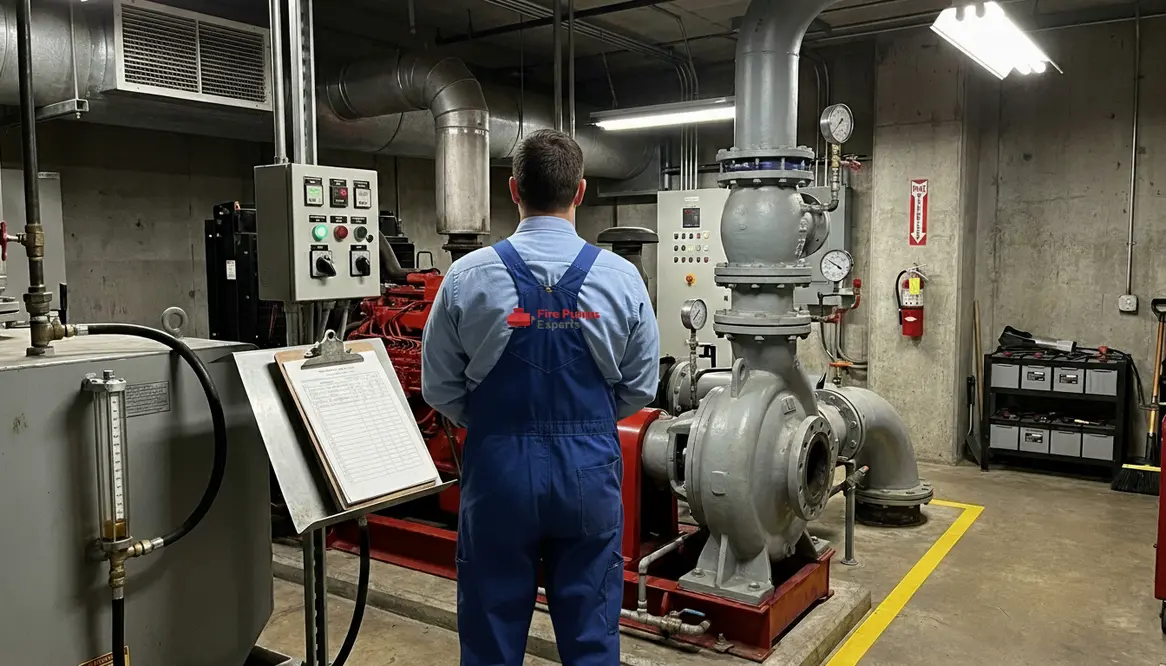
LPC Rules Diesel Fire Pump Requirements Guide
LPC Rules Diesel Fire Pump Requirements: What I Focus On for Commercial and Industrial Buildings
When I look at LPC Rules diesel fire pump requirements, I think about one thing first: reliability when the pressure drops and the stakes rise. In a commercial or industrial building, a diesel fire pump is not a nice extra. It is the backup that steps in when the main supply acts like it forgot its job. That matters in hospitals, warehouses, high rise towers, data centers, and other major properties where a fast water boost can protect lives and limit damage. So, I keep my eyes on the rules, the testing, and the setup details that decide whether the system works when the alarm goes off.
In this guide, I break down the core LPC Rules diesel fire pump requirements in plain language, with a focus on what property teams, engineers, and facility managers need to know. And yes, I will keep it serious, but not stiff. Fire protection is important, yet nobody said the reading had to feel like a tax form wearing a necktie.
What LPC Rules Diesel Fire Pump Requirements Cover
I start with the big picture. LPC rules focus on dependable fire protection performance, especially for commercial and industrial sites that cannot afford weak water supply. Diesel fire pumps serve as a backup when electric power fails or the fire conditions demand a separate source of drive power. Therefore, the rules push for strong engine performance, secure fuel supply, proper ventilation, and good access for maintenance.
In practice, I look for these core points:
- Reliable starting so the pump can start fast during a fire event
- Enough fuel storage for the required run time
- Good ventilation for the engine and exhaust heat
- Protected location with safe access for inspection and service
- Clear maintenance records that show the system stays ready
These rules are not there for decoration. They exist because a diesel pump must perform under stress, and stress is not known for bringing its A game.
Why LPC Rules Diesel Pumps Matter
In commercial and industrial buildings, a diesel fire pump is the quiet partner that only gets noticed when things go wrong. LPC Rules diesel requirements shape how that partner is installed, powered, cooled, and looked after so it can do its job on the worst day the building might face.
Hospitals, warehouses, and major properties depend on that backup pressure to keep sprinklers and hydrants delivering water when electrical systems fail or mains pressure collapses. If the pump does not start, the whole protection strategy can fall apart in minutes.
How I Check Diesel Fire Pump Setup in Commercial Buildings
When I review a site, I first check the pump room. The room must support safe operation, routine testing, and quick repair work. Also, the layout should keep the pump easy to reach without crowding it with storage, random equipment, or the building equivalent of a garage full of mystery boxes.
Practical Room Layout Checks
- Room size and access must allow service work and inspection
- Fuel tank location must support safe use and proper piping
- Exhaust routing must remove hot gases without creating hazards
- Cooling and airflow must protect the engine from overheating
- Controls and alarms must stay visible and easy to test
Then I check whether the pump has a solid power source for starting batteries and whether the batteries have their own maintenance plan. A diesel fire pump that cannot start is about as useful as a smoke alarm in a swimming pool.
Diesel Pump Checks I Do Before Sign Off
Before any sign off, I verify the system against the LPC Rules diesel fire pump requirements and the site’s fire strategy. I do not just glance at labels and call it a day. Instead, I confirm the details that matter when seconds count.
| Check Point | What I Want to See |
| Starting method | Dependable battery start with proper backup |
| Fuel supply | Enough clean diesel for the needed duty period |
| Ventilation | Strong airflow and safe exhaust discharge |
| Testing access | Safe room layout for regular inspection and flow tests |
| Maintenance | Clear logs, service dates, and fault tracking |
Next, I review test results. A pump may look fine on paper, but real performance tells the truth. Flow, pressure, engine speed, and start timing all matter. So, I want evidence that the system can meet demand under load, not just sit there looking confident.
Why Maintenance Keeps LPC Rules Diesel Systems Ready
Maintenance is where many systems win or lose the long game. I have seen strong equipment drift into trouble because no one checked the basics often enough. That is why I treat routine care as part of compliance, not as a side hobby for a quiet afternoon.
Core Maintenance Tasks That Matter
Good maintenance includes fuel checks, battery checks, coolant checks, run tests, and inspection of belts, hoses, and alarms. It also includes looking for leaks, rust, loose fittings, and signs that the engine room has become too warm or too dusty. In industrial sites, dust and heat can work together like a bad duo in a sequel nobody asked for.
Just as important, I make sure the records stay current. Clear logs help prove compliance, spot repeat issues, and support repair planning before a small problem becomes a major one. That saves time, money, and a fair bit of stress.
When I Recommend Expert Help for Major Properties
I recommend expert help whenever the building has complex fire protection needs, a large pump room, multiple water sources, or strict compliance demands. Major property buildings and industrial sites often need more than a basic checklist. They need a careful review of how the pump fits the whole fire protection system.
If you want a deeper technical overview of inspection and compliance support, I suggest reviewing commercial fire pump compliance guidance. That can help building teams stay aligned with LPC expectations while keeping the site focused on real world readiness.
FAQ
Conclusion
If you manage a commercial or industrial property, I urge you to treat LPC Rules diesel fire pump requirements as essential, not optional. A well kept system protects people, equipment, and business continuity when trouble starts. So, review your pump room, your records, and your test results now. If you want dependable compliance support for a major property, take the next step and get a professional review before the system needs to prove itself the hard way.