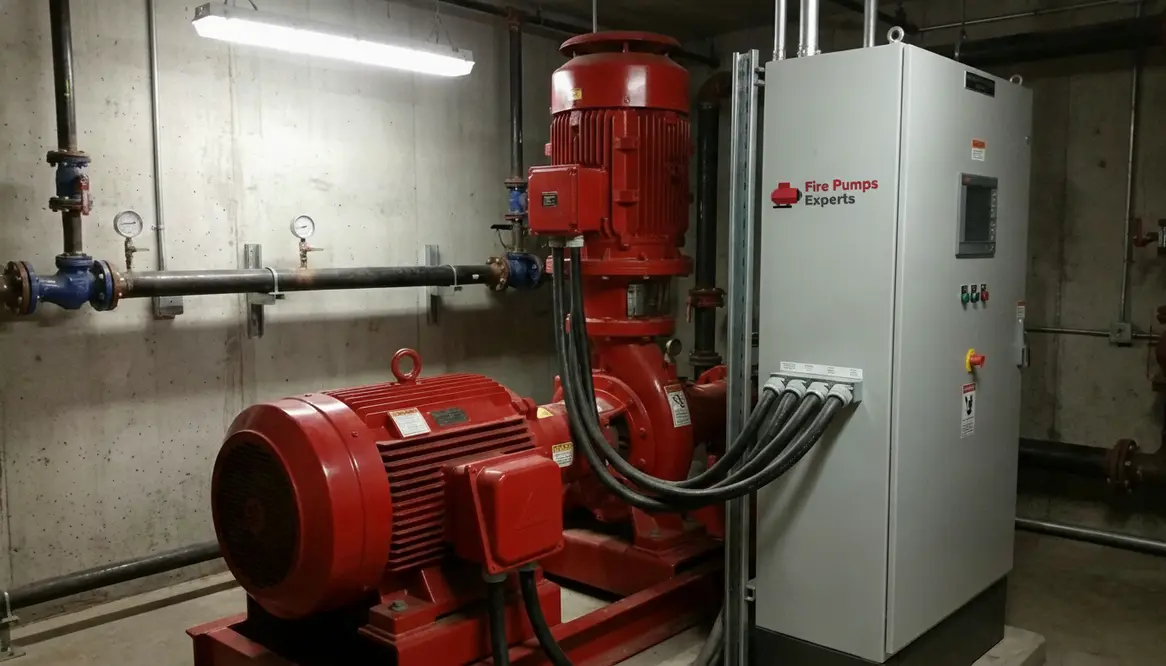
LPC Rules Electric Fire Pump Requirements Guide
A practical, no-nonsense walkthrough of LPC Rules electric fire pump requirements, why they matter, and how to keep your system ready when it counts.
LPC Rules Electric Fire Pump Requirements can sound dry at first, but I have learned that this topic matters a great deal once water pressure, building size, and life safety enter the room. For commercial and industrial facilities, and for major property buildings, these rules shape how a fire pump gets selected, installed, powered, and tested. In plain terms, they help make sure the pump does its job when the system needs it most. And yes, that is the moment nobody wants a surprise. So, I am going to break down the main requirements in a clear way, with a few practical notes along the way.
Think of these rules as a checklist for reliability: the right pump for the building, the right power behind it, a sensible room layout, and a testing routine that proves everything works. When LPC Rules electric requirements are followed properly, the pump becomes a dependable part of your protection strategy instead of a mystery box in a locked room.
What LPC Rules Electric Fire Pump Requirements Mean
LPC rules focus on keeping fire pumps reliable, especially electric ones used in large buildings where sprinkler systems and standpipe systems must perform under stress. I see these rules as a control plan for the pump, the power source, the room, and the testing routine. In a commercial tower or an industrial plant, a fire pump often serves as the quiet hero in the background. It sits there like the Batman of the mechanical room, except with more wiring and less cape.
First, the pump must match the building’s fire protection demand. That means the design must consider flow, pressure, water supply, and the full system layout. Next, the electrical supply must stay dependable. LPC rules expect the pump to have a power source that can support the load without easy interruption. Also, the installation must allow access for service, inspection, and testing. If the crew cannot reach it, the pump may as well be hiding from responsibility.
How I Check the Power and Control Setup
Power is the heart of an electric fire pump setup, so I treat it with respect. LPC rules electric fire pump requirements usually call for a dedicated supply that supports the motor during normal and emergency conditions. The wiring, feeder, overcurrent protection, and controller all need to work as one system. Since the pump must start fast, the controller must respond cleanly and without delay.
Power and control at a glance
Power Item
- Dedicated supply
- Controller
- Proper wiring
- Protection devices
- Backup arrangements
Why It Matters
- Helps the pump stay ready
- Starts the motor safely and fast
- Reduces failure risk
- Supports safe operation
- Helps during outages
Furthermore, the room must support the electrical setup with enough space, ventilation, and protection from heat or water damage. I also look for clear labels and a clean layout. That may sound basic, but a messy fire pump room can turn simple service work into a bad day. Even a small issue can snowball like a plot twist in a streaming drama nobody asked for.
Which Installation Details Matter Most
Fire pump room and layout
Installation rules cover more than placing equipment on the floor and hoping for the best. LPC guidance expects the pump to sit in a proper room with enough clearance around the unit. The room should stay dry, secure, and easy to enter. Since fire pumps protect high value properties, I always look at how the space handles drainage, heat, and risk from nearby equipment.
Suction, discharge, and performance
The suction side also matters. The pump needs a steady water supply without air leaks, poor pipe layout, or bad alignment. If the suction line causes trouble, the pump may lose performance right when pressure drops. Also, the discharge piping should support the system without placing stress on the pump casing. In many cases, the details look boring on paper, yet they decide whether the pump performs like a champion or like a tired extra in a sequel.
What Testing and Maintenance Require
Testing keeps the system honest. LPC rules electric fire pump requirements usually expect routine checks that prove the pump can start, run, and deliver the right output. I do not trust a pump that only looks good on installation day. A unit that never gets tested is like a race car that only drives in the driveway.
Typical maintenance tasks
- Start up checks
- Controller inspection
- Power supply review
- Valve position checks
- Flow and pressure testing
- Record keeping for service history
Warning signs to watch
Also, I pay close attention to alarms, unusual noise, vibration, and overheating. These warning signs can point to deeper issues. Because this equipment protects major commercial and industrial spaces, I never treat a small fault like a small matter. Small faults love to become large ones. That is their one true talent.
How I Apply LPC Rules Electric Fire Pump Requirements in Real Projects
When I review a project, I start with the building type, hazard level, and water demand. Then I compare those needs with the pump rating, electrical supply, and room design. This approach helps me avoid short term fixes that create long term problems. I also check the coordination between the pump and the rest of the fire protection system, since one weak link can drag the whole plan down.
For a deeper reference, I recommend reviewing the fire pump requirements for commercial and industrial buildings. It fits well when I need a broader view of system planning, especially for large properties that demand reliable protection. In the end, LPC rules electric fire pump requirements do not exist to make life harder. They exist to make the system ready when seconds count, which is a very fair trade.
Across commercial towers, industrial plants, and major property portfolios, treating LPC Rules electric expectations as a living standard instead of a one-time checkbox delivers better resilience. The pump, the power, and the people looking after them all work together far more smoothly when the rules are built into everyday practice.
FAQ
Conclusion
If you manage a commercial or industrial property, I urge you to treat LPC rules electric fire pump requirements as a core part of your safety plan, not a box to tick and forget. I can help you think through the right setup, testing path, and compliance checks so your system stays ready. When fire protection matters, I prefer calm confidence over last minute panic. Reach out, review your current setup, and make sure your pump is ready before it ever gets a real test.