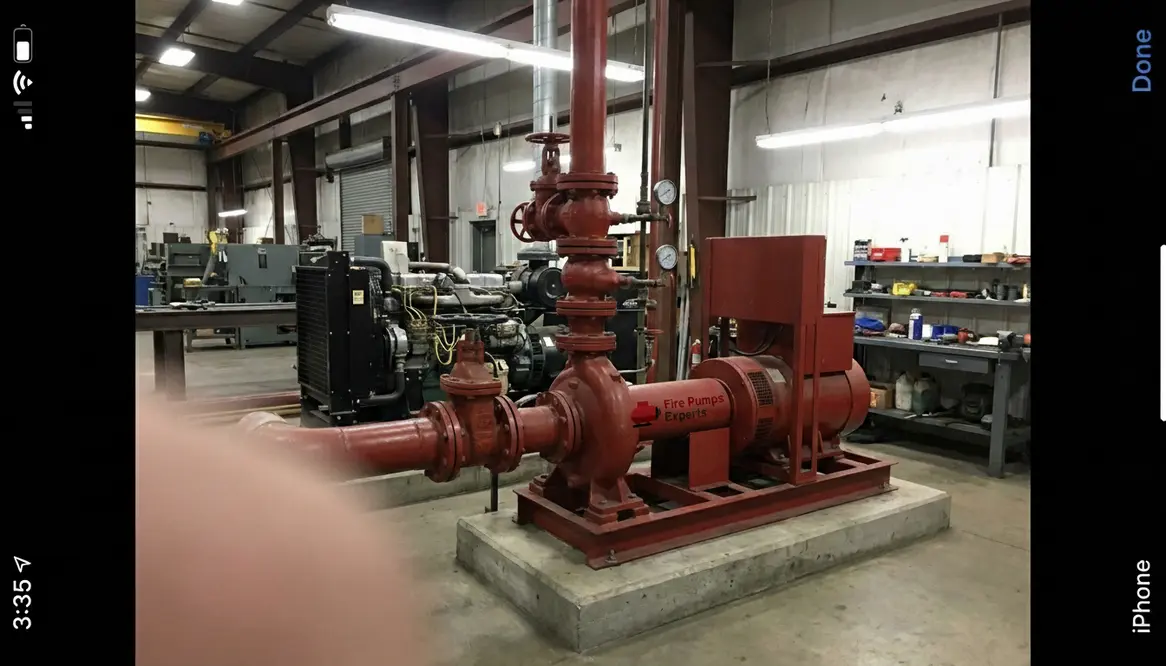
manufacturing fire pump design Pomona systems guide
I have spent years around industrial systems, and I can tell you this without hesitation: when it comes to protecting a facility, nothing speaks louder than a well designed fire pump setup. In Pomona, where manufacturing plants run hot, fast, and often around the clock, the stakes rise quickly. That is where manufacturing fire pump design Pomona becomes more than a technical phrase. It becomes a quiet guardian. And yes, like a good bodyguard in a movie, it does its best work when no one notices it at all.
Now, let us walk through what really matters here. Not fluff. Not jargon. Just the systems that keep buildings standing and operations moving.
What fire pump configurations actually work in Pomona manufacturing plants?
I get this question a lot, and the answer is not one size fits all. However, most facilities in Pomona lean on a few proven configurations. First, the split case pump. It is reliable, efficient, and frankly, it is the workhorse of large scale fire protection. Then you have vertical turbine pumps, which shine when water supply comes from underground sources.
Meanwhile, electric driven pumps dominate in facilities with stable power. But when reliability becomes mission critical, diesel driven backups step in. Think of them as the action hero who shows up when the lights go out.
Because manufacturing environments vary, I always match the configuration to three things: water source, hazard level, and system demand. Without that alignment, even the best equipment becomes an expensive decoration.
manufacturing fire pump design Pomona and system layout strategy
Design is not just about picking a pump and calling it a day. It is about how everything connects. I focus heavily on layout because poor placement can reduce efficiency or delay response time.
For example, I position pumps close to reliable water sources to reduce friction loss. Then, I ensure clear access for maintenance. Because let us be honest, nobody wants to crawl through tight industrial corners just to service critical equipment.
Additionally, I integrate control panels, test headers, and relief valves in a way that feels almost intuitive. When systems are easy to operate, people actually use them correctly. That alone prevents more problems than any manual ever could.
Key layout priorities
- Direct water supply access
- Clear maintenance pathways
- Logical control panel placement
- Minimal pipe friction loss
Common layout mistakes
- Overcomplicated pipe routing
- Poor ventilation around pumps
- Inaccessible test connections
- Ignoring future expansion needs
Power sources and redundancy that actually hold up
Power is where theory meets reality. In Pomona manufacturing plants, I never rely on a single source. Electric pumps are efficient, yes. But power outages do not care about efficiency.
So, I build in redundancy. Diesel backup pumps step in when electrical systems fail. Meanwhile, automatic transfer switches ensure smooth transitions. Because when seconds count, delays are not just inconvenient. They are dangerous.
Also, I factor in fuel storage and ventilation. A diesel pump without proper support systems is like a sports car without fuel. It looks impressive, but it is not going anywhere.
Matching fire pump capacity to real manufacturing risks
Here is where things get interesting. Not all manufacturing plants face the same fire risks. A facility handling metals has very different hazards compared to one working with plastics or chemicals.
So, I calculate demand based on actual fire load, not guesswork. I consider sprinkler systems, hose demands, and any special suppression systems in place. Then, I size the pump accordingly.
Because oversizing wastes energy and money. Undersizing, on the other hand, is a gamble no one wins. It is like bringing a garden hose to a warehouse fire. Dramatic, but not effective.
Compliance, codes, and why they are not just paperwork
Now, I know codes are not the most exciting topic. They do not exactly scream blockbuster entertainment. But they matter. A lot.
In Pomona, I follow NFPA standards closely, along with local California requirements. These codes shape everything from pump room construction to system testing.
More importantly, compliance ensures consistency. When firefighters arrive, they expect systems to behave a certain way. If your setup follows recognized standards, you give them a fighting chance to act quickly and effectively.
And honestly, passing inspections without stress is a nice bonus too.
Long term performance and maintenance planning
A fire pump system is not a set it and forget it deal. I treat it like a living system. It needs attention, testing, and occasional adjustments.
Weekly churn tests keep pumps ready. Annual flow tests confirm performance. And routine inspections catch small issues before they grow into expensive problems.
Additionally, I always design with maintenance in mind. Easy access, clear labeling, and logical layouts reduce service time. Because downtime in a manufacturing plant is never cheap, and never welcome.
Think of it like this. You would not skip oil changes on your car and expect it to run forever. The same logic applies here, just with higher stakes.
FAQ: Fire pump systems for manufacturing facilities
These questions come up constantly when manufacturing fire pump design Pomona projects are on the table. Getting them right up front saves headaches, rework, and risk later.
Conclusion
If you are running a manufacturing facility in Pomona, your fire protection system should never be an afterthought. I design every system with precision, durability, and real world performance in mind. From layout to power redundancy, every detail matters.
The most successful manufacturing fire pump design Pomona projects share a common thread: the pump, power, water supply, and controls are treated as one integrated system, not a scattered list of parts. That approach keeps operations moving even when alarms sound.
If you want a system that works when it counts, now is the time to act. Reach out and let us build something that protects your operation without compromise. For deeper technical references and industry guidance, resources like https://firepumps.org are worth bookmarking alongside your own site standards and local code requirements.
manufacturing fire pump design Pomona systems guide
I have spent years around industrial systems, and I can tell you this without hesitation: when it comes to protecting a facility, nothing speaks louder than a well designed fire pump setup. In Pomona, where manufacturing plants run hot, fast, and often around the clock, the stakes rise quickly. That is where manufacturing fire pump design Pomona becomes more than a technical phrase. It becomes a quiet guardian. And yes, like a good bodyguard in a movie, it does its best work when no one notices it at all.
Now, let us walk through what really matters here. Not fluff. Not jargon. Just the systems that keep buildings standing and operations moving.
What fire pump configurations actually work in Pomona manufacturing plants?
I get this question a lot, and the answer is not one size fits all. However, most facilities in Pomona lean on a few proven configurations. First, the split case pump. It is reliable, efficient, and frankly, it is the workhorse of large scale fire protection. Then you have vertical turbine pumps, which shine when water supply comes from underground sources.
Meanwhile, electric driven pumps dominate in facilities with stable power. But when reliability becomes mission critical, diesel driven backups step in. Think of them as the action hero who shows up when the lights go out.
Because manufacturing environments vary, I always match the configuration to three things: water source, hazard level, and system demand. Without that alignment, even the best equipment becomes an expensive decoration.
manufacturing fire pump design Pomona and system layout strategy
Design is not just about picking a pump and calling it a day. It is about how everything connects. I focus heavily on layout because poor placement can reduce efficiency or delay response time.
For example, I position pumps close to reliable water sources to reduce friction loss. Then, I ensure clear access for maintenance. Because let us be honest, nobody wants to crawl through tight industrial corners just to service critical equipment.
Additionally, I integrate control panels, test headers, and relief valves in a way that feels almost intuitive. When systems are easy to operate, people actually use them correctly. That alone prevents more problems than any manual ever could.
Key layout priorities
- Direct water supply access
- Clear maintenance pathways
- Logical control panel placement
- Minimal pipe friction loss
Common layout mistakes
- Overcomplicated pipe routing
- Poor ventilation around pumps
- Inaccessible test connections
- Ignoring future expansion needs
Power sources and redundancy that actually hold up
Power is where theory meets reality. In Pomona manufacturing plants, I never rely on a single source. Electric pumps are efficient, yes. But power outages do not care about efficiency.
So, I build in redundancy. Diesel backup pumps step in when electrical systems fail. Meanwhile, automatic transfer switches ensure smooth transitions. Because when seconds count, delays are not just inconvenient. They are dangerous.
Also, I factor in fuel storage and ventilation. A diesel pump without proper support systems is like a sports car without fuel. It looks impressive, but it is not going anywhere.
Matching fire pump capacity to real manufacturing risks
Here is where things get interesting. Not all manufacturing plants face the same fire risks. A facility handling metals has very different hazards compared to one working with plastics or chemicals.
So, I calculate demand based on actual fire load, not guesswork. I consider sprinkler systems, hose demands, and any special suppression systems in place. Then, I size the pump accordingly.
Because oversizing wastes energy and money. Undersizing, on the other hand, is a gamble no one wins. It is like bringing a garden hose to a warehouse fire. Dramatic, but not effective.
Compliance, codes, and why they are not just paperwork
Now, I know codes are not the most exciting topic. They do not exactly scream blockbuster entertainment. But they matter. A lot.
In Pomona, I follow NFPA standards closely, along with local California requirements. These codes shape everything from pump room construction to system testing.
More importantly, compliance ensures consistency. When firefighters arrive, they expect systems to behave a certain way. If your setup follows recognized standards, you give them a fighting chance to act quickly and effectively.
And honestly, passing inspections without stress is a nice bonus too.
Long term performance and maintenance planning
A fire pump system is not a set it and forget it deal. I treat it like a living system. It needs attention, testing, and occasional adjustments.
Weekly churn tests keep pumps ready. Annual flow tests confirm performance. And routine inspections catch small issues before they grow into expensive problems.
Additionally, I always design with maintenance in mind. Easy access, clear labeling, and logical layouts reduce service time. Because downtime in a manufacturing plant is never cheap, and never welcome.
Think of it like this. You would not skip oil changes on your car and expect it to run forever. The same logic applies here, just with higher stakes.
FAQ: Fire pump systems for manufacturing facilities
These questions come up constantly when manufacturing fire pump design Pomona projects are on the table. Getting them right up front saves headaches, rework, and risk later.
Conclusion
If you are running a manufacturing facility in Pomona, your fire protection system should never be an afterthought. I design every system with precision, durability, and real world performance in mind. From layout to power redundancy, every detail matters.
The most successful manufacturing fire pump design Pomona projects share a common thread: the pump, power, water supply, and controls are treated as one integrated system, not a scattered list of parts. That approach keeps operations moving even when alarms sound.
If you want a system that works when it counts, now is the time to act. Reach out and let us build something that protects your operation without compromise. For deeper technical references and industry guidance, resources like https://firepumps.org are worth bookmarking alongside your own site standards and local code requirements.