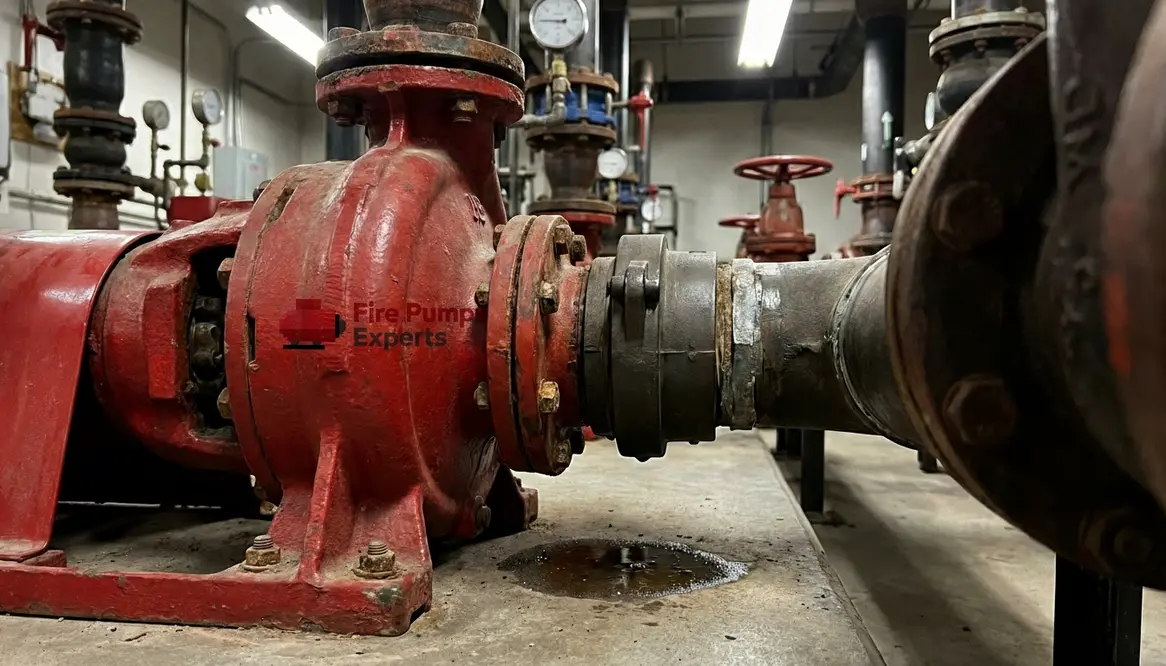
End Suction Fire Pump Wear Issues and Early Signs
How wear sneaks into your system long before performance drops, and how to spot it while fixes are still simple.
I have spent enough time around pump rooms to know this simple truth. Nothing dramatic happens all at once. Instead, wear creeps in quietly, like a slow leak you swear was not there yesterday. When I talk about end suction fire pump wear issues, I am not talking about a sudden failure. I am talking about a gradual story. One that unfolds over months, sometimes years, until one day the system does not perform the way it should. And in commercial and industrial facilities, that is not just inconvenient. It is unacceptable.
So let me walk you through what really happens inside these pumps over time, and why paying attention early saves you from very expensive surprises later.
Why this slow wear really matters
Fire pumps rarely fail without warning. They signal, stutter, and lose efficiency first. Catching end suction fire pump wear issues at that stage is the difference between scheduled maintenance and a miserable, costly emergency in the middle of a compliance inspection.
What causes wear inside an end suction fire pump over time?
At its core, wear comes down to friction, heat, and time. That sounds simple, because it is. However, the way these forces interact inside a working fire pump is anything but simple.
First, internal components like impellers and wear rings constantly deal with moving water under pressure. Over time, even clean water creates minor erosion. Add in small debris, and suddenly that erosion speeds up. Meanwhile, bearings carry the load of rotation. If lubrication is not perfect, they begin to degrade.
Then, alignment plays its role. Even a slight misalignment between the motor and pump creates vibration. That vibration is subtle at first. However, it slowly damages seals, shafts, and bearings. Before long, what started as a whisper becomes a noticeable hum.
And yes, seals deserve their own mention. Mechanical seals face continuous pressure and temperature changes. Eventually, they wear down. When they do, leaks begin. Not dramatic movie style explosions. More like a slow drip that says, “Hey, something is not right here.”
How I spot early warning signs before things get expensive
I always say that pumps talk. The problem is, most people are not listening.
For example, unusual noise is often the first clue. A healthy pump has a steady, predictable sound. When that changes, I pay attention. Likewise, vibration is another early indicator. If a pump starts shaking like it just had too much coffee, something is off.
Listen, look, and feel
Noise, vibration, heat, and small leaks form the early language of end suction fire pump wear issues. The more familiar you are with “normal,” the faster you spot “something’s off.”
Performance changes also matter. If flow rates drop or pressure fluctuates, internal wear may already be underway. In many cases, these symptoms tie directly back to developing end suction fire pump wear issues.
Temperature is another tell. Bearings that run hotter than normal are often struggling. And while it might not seem urgent at first, heat accelerates wear across multiple components.
In large facilities, I recommend routine monitoring because catching these signs early turns a major repair into a manageable adjustment.
Inside the pump: where wear hits hardest
Impeller and wear rings
These components face constant water movement. Over time, clearances increase, reducing efficiency and performance.
Bearings
They carry rotational loads. Poor lubrication or misalignment leads to overheating and eventual failure.
Mechanical seals
They prevent leaks. However, pressure changes and friction wear them down gradually.
Shaft
Often overlooked, the shaft can develop scoring or bending due to vibration and imbalance.
Each of these parts plays a role in the overall health of the system. When one begins to fail, it rarely stays isolated. Problems tend to spread, like a domino effect you did not ask for.
Why operating conditions quietly accelerate damage
Not all wear happens at the same speed. Operating conditions can either slow things down or push them into overdrive.
For instance, running a pump outside its designed flow range creates stress. Too much flow or too little flow both cause internal turbulence. That turbulence leads to increased friction and uneven wear.
Conditions that speed up wear
- Poor water quality acting like sandpaper inside the pump
- Frequent on/off cycling instead of steady operation
- Running far away from the pump’s best efficiency point
Then there is water quality. Even in commercial systems, small particles can slip through. Over time, they act like sandpaper on internal surfaces.
Additionally, frequent starts and stops place extra strain on components. It is a bit like repeatedly sprinting instead of maintaining a steady pace. Eventually, something gives.
So while the equipment may look solid on the outside, the internal story can be very different depending on how it is used.
Maintenance strategies that actually work
I have seen maintenance programs that look great on paper but fail in practice. The difference comes down to consistency and attention to detail.
Regular inspections are non negotiable. That includes checking vibration levels, monitoring temperature, and verifying alignment. These are not glamorous tasks, but they are effective.
Lubrication also matters more than most people think. Using the right lubricant at the right intervals keeps bearings alive longer. Skip this, and you are basically inviting trouble in.
Another key step is performance testing. Comparing current output to baseline data helps identify developing end suction fire pump wear issues before they become critical.
And finally, do not ignore small leaks or noises. Those minor annoyances are often early warnings. Addressing them quickly prevents much larger repairs down the line.
If you want a deeper reference on best practices around these systems, resources like https://firepumps.org can complement your existing inspection and testing routines.
FAQ: Quick answers for busy facility managers
These are the questions that come up most when people start noticing early end suction fire pump wear issues and want to keep things under control instead of waiting for a failure.
Final thoughts and next steps
Understanding wear is not about fear. It is about control. When I stay ahead of these patterns, I avoid costly downtime and protect the integrity of the entire fire protection system. If you manage a commercial or industrial facility, now is the time to take a closer look at your pumps, review performance data, and act before small issues grow. Because in this world, proactive always beats reactive. Every single time.
End suction fire pump wear issues do not show up as one dramatic moment. They show up as a series of small, almost forgettable clues. Catching those clues, reacting early, and keeping your maintenance consistent is how you keep your system ready for the one moment it absolutely cannot fail.