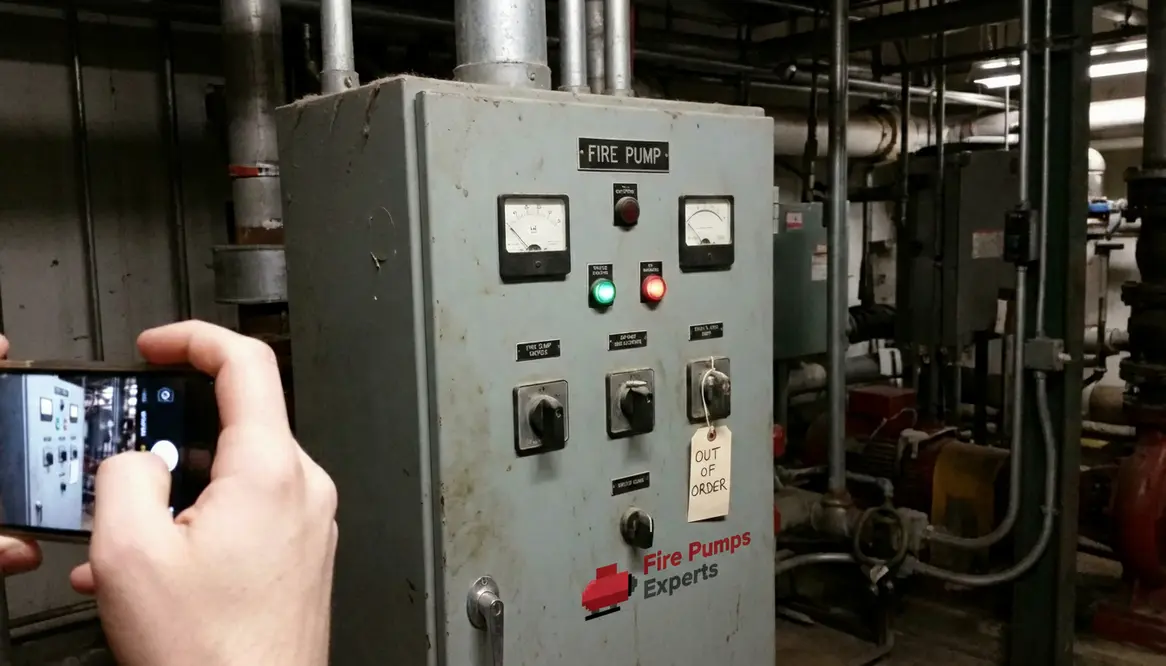
Fire Pump Controller Failure Sydney Causes and Signs
I have seen a quiet control panel bring a billion dollar building to its knees. Not with fire and fury, but with silence. In Sydney’s commercial towers and industrial facilities, a fire pump controller failure Sydney event rarely announces itself like a Hollywood explosion. It is subtler. A relay sticks. A sensor lies. And suddenly, the one system meant to roar to life just… doesn’t. It is a bit like expecting Batman and getting a guy in a bathrobe. Let’s walk through what really goes wrong, and why it matters more than most people think.
What causes fire pump controller failure Sydney in large buildings?
Most failures do not start with dramatic damage. Instead, they begin with small, overlooked issues that stack up over time. First, I often see poor maintenance routines. Controllers rely on clean connections and calibrated components. However, dust, moisture, and vibration slowly degrade performance.
Then there is power instability. In large facilities, fluctuating voltage can confuse or damage control circuits. As a result, the pump may fail to start or, worse, start unpredictably. And no one wants a fire pump behaving like it is improvising jazz.
Another frequent culprit is outdated components. Many Sydney buildings still run legacy systems that were excellent twenty years ago. Today, they struggle to keep up with modern demands. Consequently, these systems become fragile under stress.
The hidden chain reaction inside a failing controller
When a controller begins to fail, it rarely acts alone. Instead, it triggers a cascade. A faulty pressure sensor might send incorrect readings. Therefore, the controller delays pump activation. Meanwhile, the fire system loses precious seconds.
In addition, communication breakdowns between the controller and monitoring systems can leave facility managers in the dark. I have seen alarms fail to trigger simply because a signal never made it through. It is like sending a text in a tunnel and hoping for the best.
Eventually, these small faults align at the worst possible moment. And that is when system failure becomes more than a technical issue. It becomes a safety risk.
How do I spot early warning signs before system failure?
I always tell facility teams to listen closely, because systems often whisper before they fail. For example, irregular pump start times can signal control issues. Similarly, frequent false alarms or unexplained resets point to instability.
Moreover, visible wear inside the panel is a clear indicator. Corrosion, loose wiring, or heat marks should never be ignored. If the controller looks like it has been through a rough weekend, it probably has.
Another sign is inconsistent testing results. When performance varies from one test to another, the controller is no longer reliable. At that point, waiting is not a strategy. It is a gamble.
Common Technical Faults
- Sensor misalignment
- Voltage irregularities
- Relay failure
- Software glitches
Operational Red Flags
- Delayed pump start
- False alarms
- Unresponsive controls
- Inconsistent test results
Why compliance alone is not enough
In Sydney, compliance standards are strict, and rightly so. However, passing an inspection does not guarantee reliability. I have seen systems that meet every checkbox yet fail under real pressure.
The reason is simple. Compliance focuses on minimum requirements. Real world performance demands more. Therefore, relying solely on scheduled inspections can create a false sense of security.
Additionally, many commercial properties treat compliance as a finish line. In reality, it is just the starting point. Continuous monitoring and proactive upgrades make the difference between a system that works on paper and one that works in practice.
Fire pump controller failure Sydney risks in commercial infrastructure
In large scale facilities, the stakes are higher. A controller failure does not just affect one area. Instead, it can compromise entire fire protection zones. Consequently, evacuation procedures become more complex and response times increase.
Furthermore, downtime costs escalate quickly. Industrial operations may halt, tenants may evacuate, and reputations can take a hit. It is the kind of disruption that makes headlines, and not the flattering kind.
And let’s be honest, no facility manager wants to explain that the system failed because of a neglected controller. That conversation rarely ends with applause.
How I approach prevention and long term reliability
I focus on consistency. Regular testing is essential, but it must be meaningful. That means simulating real conditions, not just ticking boxes. In addition, upgrading outdated controllers ensures compatibility with modern systems.
I also prioritize environmental protection. Keeping panels clean, dry, and temperature controlled significantly extends their lifespan. Moreover, integrating smart monitoring tools allows early detection of anomalies.
Finally, I advocate for trained oversight. Skilled technicians can spot subtle issues that automated systems might miss. Technology helps, but human insight still matters. Even in a world that feels increasingly like a sci fi movie.
If you are responsible for critical assets, a tailored maintenance strategy, supported by specialists and evidence based testing, sharply reduces the chance of a catastrophic fire pump controller failure Sydney incident. Partnering with accredited experts and referencing authoritative resources such as https://firepumps.org can help benchmark your systems against industry best practice rather than bare minimum requirements.
FAQ
Conclusion
If there is one thing I have learned, it is this. Fire pump controllers do not fail loudly. They fail quietly, and that is what makes them dangerous. Therefore, staying ahead of a fire pump controller failure Sydney scenario requires attention, expertise, and action. If you manage a commercial or industrial property, now is the time to take control. Review your systems, invest in upgrades, and bring in specialists who understand the stakes. Because when the moment comes, your system should not hesitate.