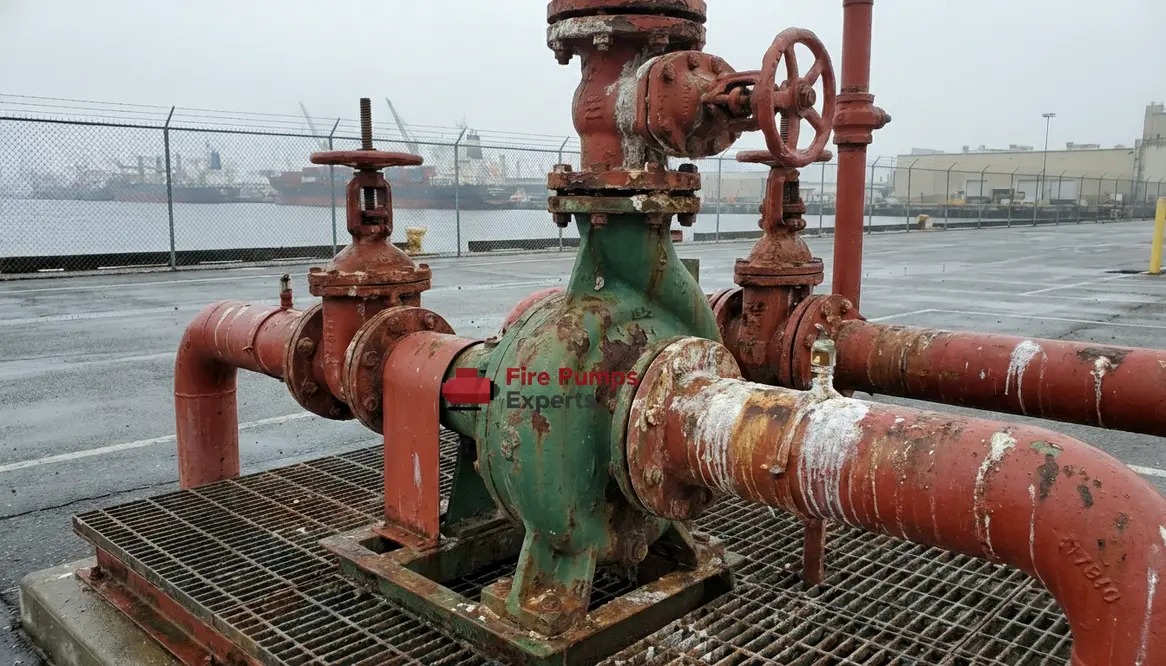
Marine Fire Pump Corrosion Long Beach Guide
I have spent enough time around coastal facilities to know that salt air has a personality. It is quiet, patient, and relentless. And when it comes to marine fire pump corrosion Long Beach, that personality can turn a critical life safety system into a liability if we are not paying attention. In a place where ocean breeze meets heavy industry, corrosion is not a distant threat. It is already clocked in and working overtime.
So let me walk you through what I have seen, what actually matters, and how to stay ahead of it without turning your maintenance budget into a horror movie sequel.
Why Marine Fire Pump Corrosion Hits Harder in Long Beach
First, the environment does not play fair. Salt particles travel farther than most people think. Even facilities that are not hugging the shoreline still feel the impact. Over time, those particles settle into pump housings, fittings, and control components.
Moreover, humidity accelerates the process. Metal surfaces stay damp longer, which gives corrosion a perfect stage to perform its slow destruction. It is not dramatic. There are no explosions. Just gradual weakening until one day the system does not respond the way it should.
And if you are managing a commercial or industrial property, that is not just inconvenient. It is a serious operational and compliance risk.
What Parts of a Fire Pump System Corrode First
Not all components age equally. Some parts practically raise their hands and volunteer for corrosion damage.
High Risk Components
- Impellers and casings exposed to moisture
- Bolts and fasteners without protective coatings
- Valve assemblies in damp environments
- Suction and discharge piping
Hidden Trouble Spots
- Control panels with internal condensation
- Seals and gaskets that trap moisture
- Backup diesel engine components
- Fuel system connections
However, the real issue is not just where corrosion starts. It is how quietly it spreads. One compromised valve can affect system pressure. One weakened pipe can fail under demand. It is a domino effect, just with fewer dramatic sound effects.
marine fire pump corrosion Long Beach Maintenance Strategies That Actually Work
I have seen facilities try quick fixes. A coat of paint here, a rinse there. It helps, but it is not enough. Instead, I focus on layered protection strategies that work together.
First, routine inspections must go beyond visual checks. I always recommend internal inspections where possible, because corrosion often hides where you cannot see it. Additionally, testing under real load conditions reveals weaknesses that idle systems mask.
Next, protective coatings matter more than people think. Marine grade coatings are not just a fancy upgrade. They act as a barrier that slows corrosion significantly. Pair that with proper ventilation in pump rooms, and you reduce moisture buildup.
Then there is material selection. If you are upgrading or replacing components, corrosion resistant alloys can extend system life. Yes, they cost more upfront. However, they save money when you are not replacing parts every few years.
And finally, flushing systems with fresh water at scheduled intervals helps remove salt deposits. It is simple, effective, and often overlooked.
Can Corrosion Really Cause Fire Pump Failure When You Need It Most
Short answer. Yes, and it does.
When corrosion weakens internal components, it affects pressure output and flow rate. During an emergency, the system may start but fail to deliver the required performance. That is the worst case scenario because everything appears functional until it is tested under real demand.
Furthermore, electrical corrosion can interrupt control signals. A pump that does not start is not a backup plan. It is a liability wearing a hard hat.
I like to say that a fire pump is like a stunt double. You do not think about it until the action starts. And when that moment comes, it better be ready to perform without hesitation.
Smart Monitoring for Coastal Facilities
Technology has made it easier to stay ahead of corrosion. Condition monitoring systems can track vibration, temperature, and pressure changes. These indicators often reveal early signs of internal damage.
Additionally, corrosion sensors can detect changes in metal integrity before visible damage appears. When paired with routine inspections, they create a proactive maintenance approach instead of a reactive scramble.
For large commercial and industrial properties in Long Beach, this level of oversight is not excessive. It is practical. Downtime costs more than prevention, and emergency repairs rarely happen at convenient times. If they did, they would probably come with popcorn and a soundtrack.
If marine fire pump corrosion Long Beach issues have already shown up in your last inspection report, adding monitoring is one of the fastest ways to turn a chronic headache into a manageable checklist item.
FAQ Quick Answers for Facility Managers
Facility managers dealing with marine fire pump corrosion Long Beach side often end up asking the same core questions. Here are the essentials, in plain language.
Final Thoughts and Your Next Move
If you manage a commercial or industrial facility near the coast, ignoring corrosion is not a gamble. It is a guarantee with a delayed invoice. Take control of your system now with proper inspections, upgrades, and monitoring. Work with professionals who understand the realities of Long Beach environments and know how to keep your fire pump ready when it matters most. Because when the moment comes, there is no time for surprises, only performance.
If you are looking for deeper technical standards and reference material as you plan upgrades or testing schedules, you can start with resources like https://firepumps.org and then tailor those guidelines to match your building, occupancy, and the specific marine fire pump corrosion Long Beach conditions around your facility.