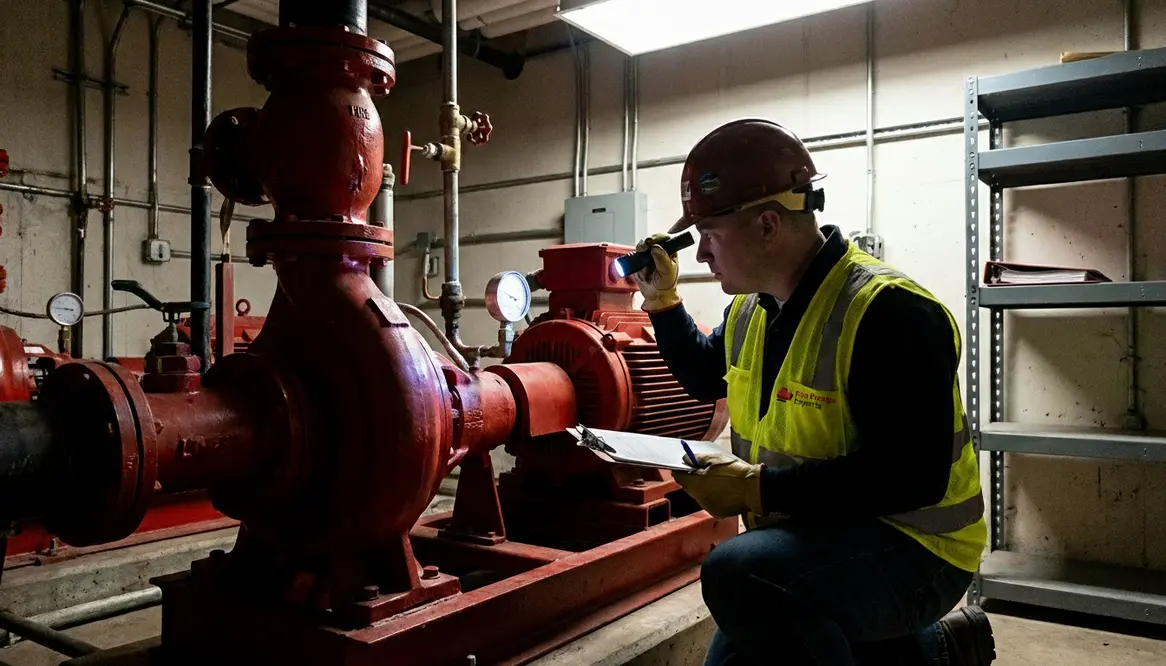
NFPA 25 Fire Pump Inspection Requirements Guide
I have spent enough time around fire protection systems to know one truth: when a fire pump fails, it is never at a convenient moment. That is exactly why NFPA 25 fire pump inspection requirements exist. They are not just paperwork or routine checkboxes. They are a living, breathing schedule of accountability that ensures every pump in a commercial or industrial facility stands ready when everything else goes wrong. In this article, I walk through how NFPA 25 shapes ongoing inspection and testing, and why ignoring it is about as wise as ignoring a smoke alarm at 2 a.m.
What NFPA 25 Actually Demands From Me and My Team
When I follow NFPA 25, I am not guessing. I am working from a clear playbook. The standard lays out how often I inspect, test, and maintain fire pumps, along with what I should look for each time. More importantly, it forces consistency.
For example, I conduct weekly churn tests for diesel and electric fire pumps. Meanwhile, I complete monthly inspections that verify gauges, valves, and controller conditions. Then, annually, I perform flow tests that simulate real demand. Each step builds on the last, creating a layered safety net.
Why That Structure Matters
Because of this structure, I do not rely on memory or “gut feeling.” I rely on a schedule that does not blink, does not forget, and certainly does not take a day off.
How NFPA 25 Fire Pump Inspection Requirements Shape Daily Operations
In large commercial and industrial facilities, time is money. However, NFPA 25 quietly insists that safety is priceless. So, I integrate inspections into daily operations rather than treating them as interruptions.
For instance, I coordinate with facility managers to align testing windows with operational downtime. That way, we minimize disruption while staying compliant. At the same time, I document everything. And yes, I mean everything. If it moves, hums, or even looks suspicious, it goes into the report.
Building a Safety Rhythm
As a result, inspections become part of the rhythm of the building. They are no longer a nuisance. They are expected, like morning coffee or that one coworker who always says “per my last email.”
What Happens If I Skip Fire Pump Testing
Let me be blunt. Skipping required testing is not a shortcut. It is a gamble. And in my line of work, the stakes are measured in property loss, business interruption, and human safety.
Without regular testing, small issues stay hidden. A failing seal, a stuck valve, or a weak battery does not announce itself with fireworks. Instead, it waits quietly until the worst possible moment.
However, when I follow NFPA 25 schedules, I catch those issues early. I fix them when they are still small, manageable, and far less expensive. Think of it like going to the doctor. Preventive care beats emergency surgery every time.
How I Approach Compliance Without Slowing Everything Down
I will admit it. At first glance, compliance can feel like a mountain of tasks. However, I have learned to approach it with strategy rather than stress.
What I Focus On
- Consistent scheduling of inspections
- Clear documentation after every test
- Training staff on visual checks
What I Avoid
- Last minute testing rushes
- Incomplete or vague reports
- Relying on memory instead of logs
By doing this, I turn compliance into a system rather than a scramble. And honestly, it feels less like bureaucracy and more like good management.
Why Documentation Is My Best Friend During Audits
Audits can feel like surprise visits from a very detail oriented relative. They show up, look around, and ask questions you cannot dodge. Fortunately, NFPA 25 gives me the upper hand.
Because I document every inspection and test, I can show a clear history of compliance. Inspectors do not want stories. They want records. And when I hand them organized logs, the conversation shifts from scrutiny to confirmation.
In other words, documentation is not busy work. It is my proof that the system works exactly as intended.
How NFPA 25 Fire Pump Inspection Requirements Improve System Reliability
Reliability is not an accident. It is built through repetition and attention to detail. The NFPA 25 fire pump inspection requirements push me to test under real conditions, not just theoretical ones.
During annual flow testing, I measure performance against design expectations. If the pump falls short, I investigate immediately. That way, I am not left guessing during an emergency.
Reading the Subtle Signals
Additionally, routine inspections help me track trends. A slight drop in pressure today could signal a bigger issue tomorrow. Because I stay consistent, I spot those patterns early.
And let me tell you, there is something deeply satisfying about a fire pump that starts instantly and performs exactly as expected. It is like watching a well rehearsed orchestra, minus the tuxedos.
Doing More With NFPA 25 Fire Pump Inspection Requirements
Over time, I have learned that NFPA 25 fire pump inspection requirements are a baseline, not a ceiling. They give me the minimum standard I must hit, but they also reveal opportunities to go further. When I notice repeat issues with a particular controller, valve, or jockey pump, I use that information to rethink how the system is maintained and monitored.
Sometimes that means adding extra visual checks during a walk-through. Other times, it means coordinating with a service provider to upgrade aging components before they fail a test. The standard points me to what must be checked; experience tells me what should be improved ahead of time.
Turning Data Into Decisions
The more inspections and tests I complete, the more data I have. Trends in pressure, flow, or start-up times tell a story about where the system is heading. Instead of reacting to failures, I use those patterns to plan repairs, schedule overhauls, and justify budget requests. It is much easier to explain a capital improvement when the data is already lined up behind the decision.
FAQ: Quick Answers About Fire Pump Inspections
How often should I test a fire pump?
Weekly churn tests and annual flow tests are standard under NFPA 25.
What does a fire pump inspection include?
It includes checking gauges, valves, controllers, and overall system condition.
Why is documentation important?
It proves compliance and helps identify trends or recurring issues.
Who should perform these inspections?
Qualified professionals experienced with commercial and industrial fire protection systems.
What happens if I fail an inspection?
You must address deficiencies immediately and retest to ensure compliance.
Final Thoughts and Next Steps
At the end of the day, I see NFPA 25 as more than a standard. It is a discipline that keeps critical systems ready when they matter most. If you manage a commercial or industrial property, now is the time to take inspection and testing seriously. Partner with experienced professionals, stay consistent, and treat compliance as an investment, not an obligation. Because when the moment comes, your fire pump should not hesitate, and neither should you.
If you want a deeper breakdown of NFPA 25 fire pump inspection requirements or tools to organize your testing schedule, you can start with resources at https://firepumps.org and then adapt those guidelines to your own facility. The best time to tighten up your fire pump program is before the alarm sounds.