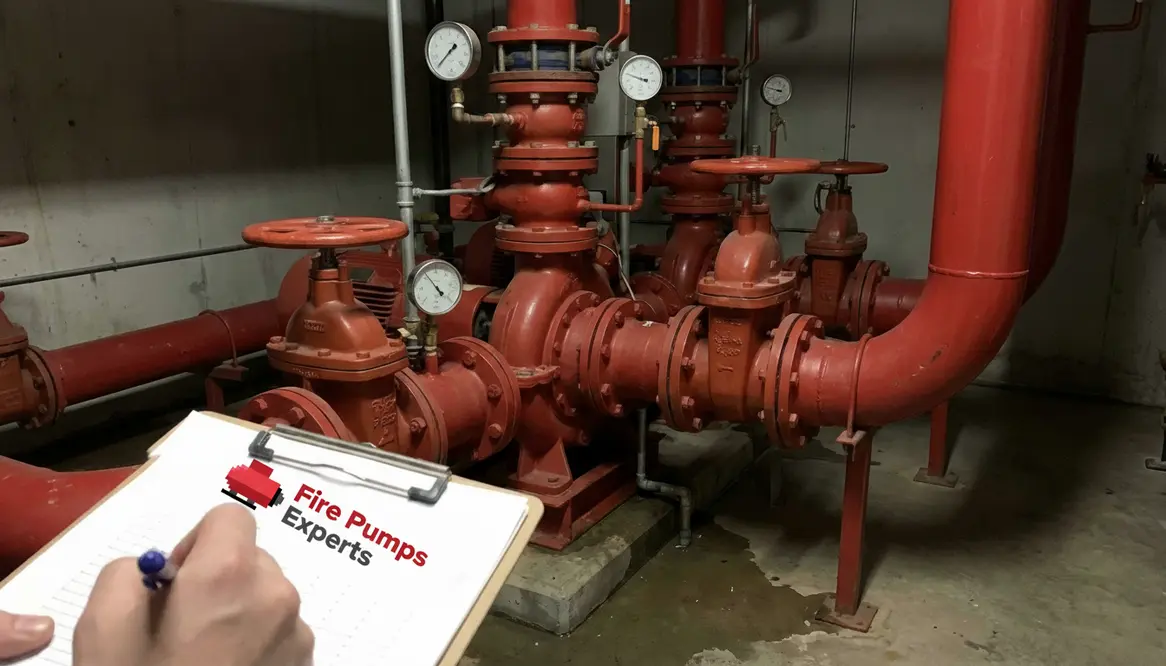
NFPA 25 Fire Pump Testing Requirements Guide
I have spent enough time around mechanical rooms to know this truth: when a fire pump fails, it never picks a convenient moment. That is exactly why fire pump testing requirements under NFPA 25 exist. They are not paperwork exercises. They are quiet insurance policies, written in water and pressure, waiting for the day everything else goes wrong. And in large commercial and industrial buildings, where risk scales fast, those requirements are less about compliance and more about survival.
So let’s walk through what actually matters. Not the dry checklist version, but the version that keeps your system ready when the alarms are not a drill.
What NFPA 25 Really Demands From Fire Pump Testing Requirements
NFPA 25 does not ask politely. It sets clear expectations for inspection, testing, and maintenance of fire pumps. I like to think of it as the director behind the scenes, making sure every actor hits their mark before opening night.
At its core, the standard requires regular testing at defined intervals. Weekly or monthly churn tests keep the pump moving. Annual flow tests prove it can perform under real demand. And every step must be documented, because memory is unreliable and regulators are not known for their sense of humor.
However, the real value shows up in consistency. When I run these tests, I am not just checking a box. I am watching pressure curves, listening for odd vibrations, and spotting small issues before they turn into expensive headlines. That consistency is why fire pump testing requirements are written the way they are, with specific intervals and performance expectations that leave little room for guesswork.
How Often Should a Commercial Fire Pump Be Tested
If you are asking this, you are already ahead of the curve. Frequency matters more than most people think.
Typically, electric fire pumps require weekly churn testing, while diesel driven pumps are tested weekly with a bit more scrutiny. Meanwhile, annual flow testing simulates real fire conditions by pushing water through the system at full capacity.
In large facilities, I always recommend sticking closely to these intervals. Skipping even one cycle can allow hidden problems to settle in. And trust me, mechanical systems are like houseguests. Ignore them long enough and they will absolutely make a mess.
Additionally, periodic inspections check controllers, valves, and fuel systems. These smaller checks support the broader fire pump inspection standards and keep everything aligned. When combined with clearly defined fire pump testing requirements, they create a maintenance rhythm that keeps surprises out of your incident reports.
Key Components I Always Evaluate During Testing
When I walk into a pump room, I do not just flip a switch and call it a day. I focus on the details that reveal the system’s true condition.
- Pressure performance to confirm the pump meets rated output
- Controller function to ensure automatic start works without hesitation
- Water supply stability because even the best pump fails without it
- Mechanical integrity including seals, bearings, and alignment
- Fuel systems for diesel units, since empty tanks are not heroic
Moreover, I compare results against previous tests. Trends tell a story. A slight pressure drop today can become a system failure next year if ignored. Fire pump testing requirements turn those trends into action points, prompting repairs, adjustments, or upgrades before a real emergency exposes every weakness at once.
Common Mistakes That Quietly Break Compliance
Here is where things get interesting. Most failures are not dramatic. They are subtle, almost polite.
For example, I often see incomplete documentation. The test gets done, but the record lacks detail. That alone can fail an audit. Then there are skipped annual flow tests, often due to scheduling headaches in busy facilities. Unfortunately, NFPA 25 does not accept “we were busy” as a valid excuse.
Another frequent issue is relying on untrained personnel. Fire pumps are not standard plumbing equipment. They require specialized knowledge. As a result, partnering with experts, like those found through certified fire pump service providers, can prevent costly oversights.
And yes, I have seen systems pass a visual check while hiding serious performance issues. That is the mechanical equivalent of smiling through a toothache. The gap between appearances and actual performance is exactly what strict fire pump testing requirements are meant to close, but only if they are followed completely, not selectively.
Breaking Down Fire Pump Testing Requirements for Large Facilities
Operational Focus
I approach testing as a performance exercise. The pump must start instantly, maintain pressure, and handle demand without hesitation. In high rise buildings or industrial plants, delays are not acceptable.
Compliance Focus
At the same time, I ensure every step aligns with NFPA 25 documentation rules. Logs, test results, and corrective actions must be clear, complete, and accessible for inspection.
Together, these two perspectives create a system that not only works but proves it works. And in large scale properties, that proof matters just as much as performance. For owners, managers, and insurers, demonstrated adherence to fire pump testing requirements becomes hard evidence that the building is being operated with real risk awareness, not just minimal compliance.
Why Proper Testing Saves More Than Equipment
It is easy to think of fire pump testing as a maintenance task. In reality, it protects business continuity, property value, and human safety.
When systems fail, the consequences ripple outward. Downtime increases. Insurance claims grow complicated. And reputations take a hit. On the other hand, consistent testing builds confidence. It tells stakeholders that the building is prepared, not just compliant.
And if I may add a small dose of humor, a well maintained fire pump is like a good bodyguard. Quiet, reliable, and hopefully never needed. But when the moment comes, you want it ready, not scrolling through excuses.
That is the real heart of NFPA 25 and its fire pump testing requirements: protecting people first, then assets, then paperwork. Do the work on calm days so that on the worst day your team faces, the system performs exactly as designed, without drama and without surprises.
FAQ About Fire Pump Testing
Conclusion
If you manage a commercial or industrial property, now is the time to treat your fire pump like the critical asset it is. Stay ahead of NFPA 25 expectations, schedule consistent testing, and work with experts who understand the stakes. Because when pressure rises and seconds count, preparation is everything. And in this line of work, the quiet systems you maintain today are the heroes you rely on tomorrow.