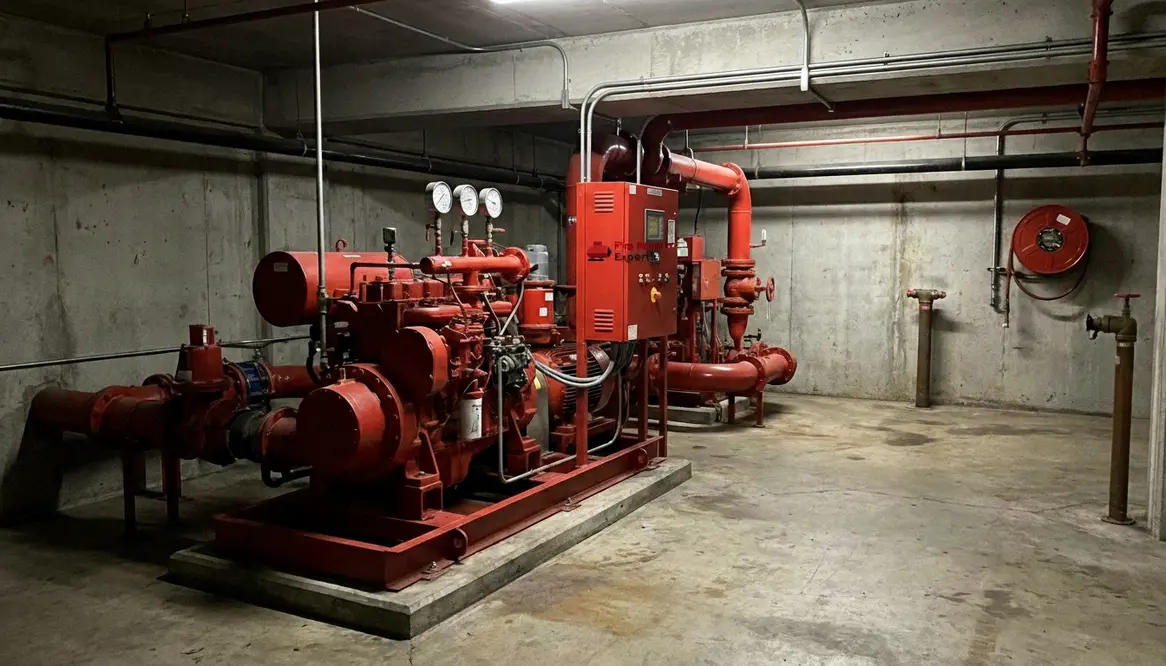
NFPA 88A Fire Pump Design for Parking Structures
I have spent enough time around commercial builds to know one truth. Fire protection in a parking structure is not glamorous, but it is absolutely critical. When we talk about NFPA 88A fire pump parking structures, we are stepping into a world where concrete, exhaust fumes, and risk all meet. And right there in the middle of it stands the fire pump, quiet, patient, and ready to roar like a classic V8 when needed. In this guide, I will walk you through the design considerations that actually matter, without the fluff, and with just enough personality to keep things interesting.
Understanding the Role of Fire Pumps in Parking Structures
Let me set the stage. A parking structure is not just a stack of cars. It is a confined environment with limited ventilation, fuel sources sitting in every stall, and structural layouts that can complicate water delivery. Because of this, I always treat fire pumps here as mission critical.
Under NFPA 88A guidance, the fire protection approach must support quick suppression while accounting for open or enclosed configurations. Therefore, the pump must deliver consistent pressure across long piping runs and multiple levels. If it cannot, then the system becomes more decorative than functional, and that is not a reputation you want.
Also, placement matters. I have seen designs where pumps were tucked into corners like forgotten gym equipment. That works until access becomes an issue during maintenance or emergencies. Accessibility is not optional. It is part of performance.
How Do I Size a Fire Pump for a Parking Garage?
Getting the fundamentals right
Short answer. Carefully, and with zero guesswork.
First, I calculate demand based on sprinkler system requirements, standpipe systems, and hose allowances. Then I consider the vertical rise, friction loss, and system pressure needs. After that, I validate everything against real world conditions, not just textbook assumptions.
However, here is where experience speaks. Parking structures often have extended pipe networks. So, friction loss becomes a bigger player than many expect. If you ignore it, your pump will look good on paper and fail in practice.
Additionally, redundancy is worth discussing. While not always required, I often recommend it for large commercial or industrial properties. Because if one pump fails during a fire event, that is not just inconvenient. That is catastrophic.
Power Supply and Reliability Are Non Negotiable
Keeping the pump alive when it matters
Now let us talk power. A fire pump without reliable power is like a superhero without powers. Technically present, but not very helpful.
For NFPA 88A fire pump parking structures, I prioritize dependable power sources. This often means electric pumps with backup generators or diesel driven pumps where electrical reliability is questionable. Each option has tradeoffs, but the goal stays the same. The pump must start and run under worst case conditions.
Furthermore, I always account for environmental factors. Parking structures can expose equipment to temperature swings, humidity, and vehicle emissions. These conditions can affect performance over time. So, proper enclosure and ventilation are not afterthoughts. They are design essentials.
Smart Layout Choices That Actually Work
Designing for today and ten years from now
Designing a system that works on day one is easy. Designing one that still works years later takes more thought. That is where layout decisions come in.
What I focus on:
- Clear access paths for maintenance crews
- Logical pipe routing to reduce friction loss
- Separation from high traffic vehicle zones
- Protection from accidental impact
What I avoid:
- Cramped pump rooms
- Overly complex piping layouts
- Poor drainage planning
- Ignoring future expansion needs
Meanwhile, I keep future maintenance in mind. Because if servicing the pump requires a contortionist and a flashlight from 1998, someone made a poor decision.
Coordination With Standpipes and Sprinklers
Making the whole system play in tune
Everything connects. Literally.
The fire pump must support both sprinkler systems and standpipes. So, I ensure the system demand calculations reflect simultaneous operation where required. This is especially important in multi level structures where firefighters rely heavily on standpipes.
In addition, I coordinate closely with hydraulic calculations. Because even small misalignments between design assumptions and installed systems can create performance gaps. And those gaps tend to show up at the worst possible time.
Think of it like assembling a band. If the drummer is out of sync, the whole performance suffers. The fire pump is the rhythm section here. It sets the pace.
Inspection, Testing, and Long Term Performance
Making sure the system still works years later
A fire pump is not a set it and forget it system. It demands attention.
I always design with testing in mind. This includes flow testing provisions, pressure monitoring, and accessible controls. Because regular testing is not just a requirement. It is the only way to confirm the system will perform when needed.
Also, I consider lifecycle costs. A slightly higher upfront investment in quality equipment often saves significant money over time. And more importantly, it reduces risk.
Besides, no one wants to explain why a critical system failed because of a preventable maintenance issue. That conversation never goes well.
FAQ Quick Answers
What is NFPA 88A?
It is a standard that covers fire protection requirements for parking structures, including open and enclosed designs.
Do all parking structures need fire pumps?
No, only when system pressure or flow cannot be met by the water supply alone.
Where should a fire pump be located?
In an accessible, protected area with proper ventilation and drainage.
What type of fire pump is best?
It depends on site conditions. Electric pumps with backup or diesel driven units are common for reliability.
How often should fire pumps be tested?
Typically weekly or monthly depending on type, with annual flow testing.
Final Thoughts and Next Steps
Designing fire protection for parking structures is not about checking boxes. It is about building systems that perform under pressure, literally and figuratively. If you are planning or upgrading a commercial or industrial facility, I encourage you to take a closer look at your fire pump strategy. Work with specialists who understand the stakes, and make decisions that prioritize reliability, access, and long term performance. When it comes to safety, cutting corners is never a winning move.