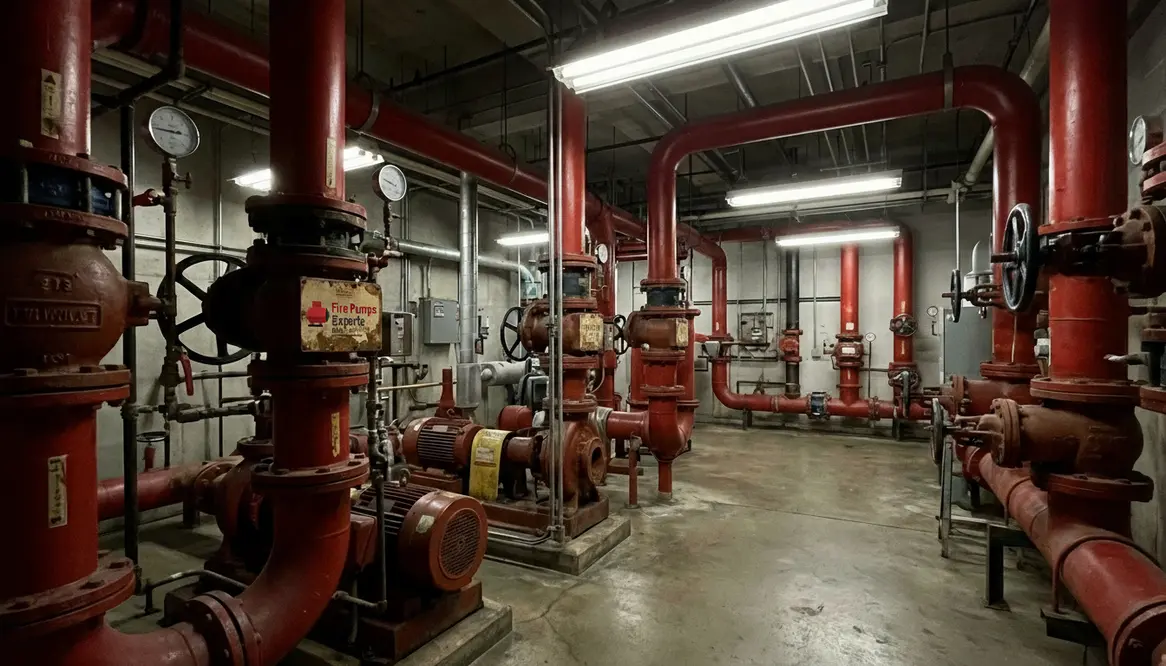
Pasadena Medical Building Fire Protection Water Systems
Water has a way of stealing the scene without saying a word. After years around commercial fire protection systems, one truth keeps showing up like a dependable character actor in every good movie: water wins. When flames threaten a building, nothing responds with more quiet authority than a well designed sprinkler system backed by a powerful water supply. That is especially true in healthcare environments.
In Pasadena, where medical campuses operate around the clock, the pasadena medical building fire protection water infrastructure carries a responsibility far greater than pipes and pumps. It protects patients who cannot simply grab their coat and head for the exit. It safeguards expensive equipment and critical operations. And frankly, when everything works right, nobody notices it at all. Which is exactly the point.
Today I want to walk through how water supply systems support fire sprinklers in Pasadena medical buildings. Not in a dry engineering lecture kind of way. Think of it more like a backstage tour. The sprinklers may be the actors on stage, but the water infrastructure is the lighting crew, the sound engineers, and the stage manager all rolled into one. Without them, the show does not go on.
How Water Supply Systems Actually Power Fire Sprinklers in Medical Facilities
Let me start with the simple truth. A sprinkler system is only as reliable as the water behind it.
When a sprinkler head activates, it expects immediate pressure and volume. Hospitals and large medical offices demand even more consistency because life safety systems must perform without hesitation. Therefore, engineers design water supply networks that deliver strong and stable flow across multiple floors, wings, and specialized treatment areas.
First, the municipal supply enters the building through large underground mains. Pasadena has a solid city water system, but commercial medical facilities rarely rely on city pressure alone. Instead, designers build redundancy into the infrastructure so that the pasadena medical building fire protection water infrastructure continues to perform even when external conditions change.
Next comes the backbone of the system. Fire service mains distribute water throughout the building while maintaining pressure across long distances. These pipes feed the risers, which climb vertically through the structure and supply each floor.
And then there is the muscle of the operation: fire pumps.
When pressure from the city line falls short, a fire pump takes over and boosts the flow to meet system demand. In large medical campuses, the pump is not just a nice addition. It becomes the heartbeat of the building’s fire protection strategy, pushing water to every corner that needs protection.
Think of it like the difference between a garden hose and a movie studio fire scene. Both use water. Only one moves enough of it to matter. Fire pumps turn ordinary supply pressure into the kind of force that can keep a serious fire from turning a medical wing into a disaster zone.
Behind the scenes of every compliant sprinkler layout sit these hidden systems, quietly standing by. They are the part of the pasadena medical building fire protection water infrastructure that no visitor ever sees, but every patient depends on.
Designing Reliable Pasadena Medical Building Fire Protection Water Infrastructure
Hydraulic brains behind the brawn
Designing the pasadena medical building fire protection water infrastructure takes more than plugging pipes together and hoping for the best. Healthcare properties are complex environments with strict safety codes and nonstop occupancy, so every gallon of water is carefully accounted for long before a single sprinkler head is installed.
Engineers start with detailed hydraulic calculations. These calculations determine exactly how much water the sprinkler system must deliver during a fire event. They also factor in building height, pipe friction, simultaneous system demand, and safety margins so that the system maintains performance even when conditions are less than ideal.
Tailoring protection to medical risks
Additionally, designers must account for the different fire risks inside a medical property. Operating rooms contain sensitive electronics. Laboratories may store chemicals. Imaging departments house expensive equipment that costs more than most people’s homes. Each of these environments influences sprinkler density and water demand, and in turn, shapes the overall water infrastructure behind them.
Furthermore, redundancy plays a huge role in healthcare fire protection. Facilities often install:
- Primary and backup fire pumps
- Emergency power supplies for pump operation
- Dedicated water storage tanks for additional supply
This layered design ensures that even during power outages or pressure fluctuations, the sprinkler system remains fully operational. Hospitals cannot afford a “maybe it works” situation. The system must function every time.
Besides, when the stakes involve patient safety, guessing is not a strategy anyone wants on the table. The smarter and more redundant the pasadena medical building fire protection water infrastructure becomes, the more confidently clinical teams can focus on healing instead of worrying about what might happen if a fire breaks out.
Critical Components That Keep Medical Building Sprinklers Ready
Every strong fire protection system relies on a network of specialized components working together. In large commercial healthcare properties, these pieces operate like a well rehearsed orchestra, each section playing its part without competing for attention.
Fire Pumps
These units boost water pressure when municipal supply alone cannot meet system demand. Commercial pumps deliver hundreds or thousands of gallons per minute, pushing water to higher floors and remote wings that would otherwise be starved for pressure.
Backflow Preventers
These devices protect the city water supply from contamination while maintaining reliable flow into the building. They are the quiet guardians sitting between public infrastructure and private piping.
Fire Department Connections
These exterior hookups allow firefighters to supplement the building’s water supply during a major incident, giving crews direct influence over how much water floods the system when things get serious.
Risers and Control Valves
Vertical risers distribute water across floors while valves allow sections of the system to be isolated for service. That way, maintenance teams can work on one zone without shutting down protection for the entire facility.
Water Storage Tanks
Large commercial facilities often install onsite tanks to guarantee water supply during peak demand or infrastructure disruption. These tanks buy precious time when the city system is stressed.
Monitoring Systems
Pressure sensors and alarms constantly watch system performance and report problems before they escalate, turning the entire water supply network into a monitored, measurable safety asset.
Together, these elements create a dependable water delivery network. And honestly, when you walk through a hospital mechanical room filled with this equipment, it feels a bit like stepping into the engine room of a starship.
Minus the warp drive. Though if someone invents one that runs on sprinkler pressure, I will happily sign up.
Why Water Pressure Stability Matters in Multi Story Medical Buildings
Fighting gravity floor by floor
Medical buildings in Pasadena are not always small clinics. Many operate as large commercial properties with multiple floors, surgical suites, and research labs stacked vertically. The more stories you add, the more the water system has to work just to keep up.
Because of that height, gravity becomes an enemy. Water pressure drops as it travels upward. Therefore, engineers must design systems that maintain reliable pressure across every floor. Without that planning, upper levels might receive weak flow during a fire emergency, and that is not a risk anyone wants hanging over an ICU or operating room.
To solve this challenge, designers rely on pressure zones. Each zone uses dedicated pump settings, pressure reducing valves, or separate risers to keep water flow within safe limits. As a result, sprinklers on the tenth floor activate with the same confidence as those on the first.
Additionally, medical environments demand constant operational continuity. Unlike office buildings that empty after business hours, hospitals operate twenty four hours a day. That means sprinkler infrastructure must remain stable under constant water pressure and temperature changes. In other words, the system never gets to clock out. Not even for lunch.
Keeping that stability over decades is where experienced fire protection partners come in, especially for fire pump design, testing, and maintenance. Teams like Kord Fire’s fire pump specialists spend their days making sure that when a valve opens in a medical building, the water is exactly where it should be and moving with the force it needs.
Common Questions About Sprinkler Water Supply in Pasadena Healthcare Buildings
What people want to know before trusting the system
I often see people ask similar questions when researching fire protection systems for large commercial medical properties. Let me answer a few right away so the big concerns are off the table before anyone starts reviewing drawings or budgets.
How much water pressure do hospital sprinkler systems need?
Most hospital sprinkler systems require high flow rates that often exceed city pressure. Therefore, fire pumps are commonly installed to deliver the required gallons per minute and pressure, especially in taller or more complex medical structures.
Do medical buildings need dedicated fire water storage?
Many large healthcare campuses install water storage tanks. These tanks ensure continuous supply even if municipal pressure drops during emergencies, helping the overall pasadena medical building fire protection water infrastructure stay online when the city grid is under stress.
Why are fire pumps so important in commercial healthcare properties?
Fire pumps guarantee that sprinkler systems receive enough pressure to control fires across multiple floors and specialized departments. Without them, the top of the building could be left with underwhelming water performance at the very moment it is needed most.
How often should fire protection water systems be tested?
Commercial systems require regular inspections, flow testing, and pump performance verification to meet safety codes and maintain reliability. In healthcare, that schedule is not just about compliance; it is about keeping lifesaving infrastructure fully ready every single day.
FAQ: Fire Sprinkler Water Infrastructure in Pasadena Medical Buildings
The questions below come up again and again when owners and facility teams start digging into how their water systems actually protect patients, staff, and critical spaces.
Conclusion
Reliable fire protection begins long before a sprinkler ever opens. It starts with strong water supply design, powerful pumps, stable pressure zones, and infrastructure built for the demands of large healthcare properties. When the pasadena medical building fire protection water infrastructure is engineered and maintained with care, it quietly guards every corridor, elevator lobby, and treatment suite without asking for attention.
If you manage or develop a medical facility in Pasadena, investing in dependable fire protection water systems protects lives, equipment, and business continuity. It means patients can stay focused on recovery, clinicians can stay focused on care, and building teams can sleep at night knowing the hidden plumbing behind the walls is ready for what tomorrow might bring.
Work with experienced commercial fire pump professionals who understand complex facilities and can design, test, and maintain systems that perform when it matters most. Done right, your water supply network becomes a quiet partner in patient safety, standing guard every hour of every day, waiting for a moment you hope never comes.