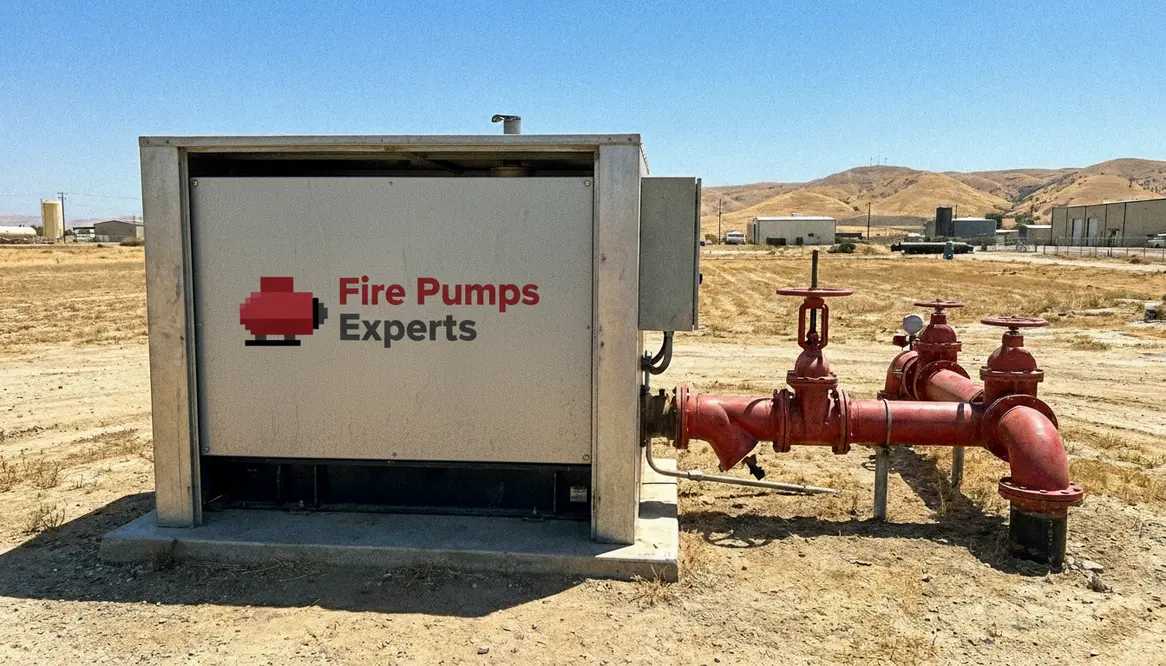
Remote Location Fire Pumps in Kern County Guide
I have spent enough time around commercial properties in Kern County to know one thing for certain. Fire protection is not the place for guesswork. And when I talk about remote location fire pumps, I am talking about the quiet workhorses that stand between a manageable incident and a five alarm headline. These systems are not flashy. They do not trend on social media. But when everything else fails, they show up like the final scene in a superhero movie, minus the cape but with far better water pressure.
So let me walk you through what actually matters, without the fluff, and with just enough personality to keep you from checking your email halfway through.
What are fire pumps and why do Kern County properties depend on them?
At their core, fire pumps move water where gravity cannot. That sounds simple, and yet, in large commercial and industrial buildings, it becomes critical. Many facilities across Kern County rely on boosted pressure to supply sprinkler systems, standpipes, and hydrants. Without that added push, water might not reach upper floors or distant sections of a property.
Now, consider the geography. Kern County includes everything from dense commercial zones to wide open industrial areas. Therefore, water supply can be inconsistent. That is where strategically placed pump systems come into play. They ensure that even if municipal pressure drops, your fire protection does not.
And yes, this is one of those moments where I remind people that hoping for good water pressure is not a strategy. It is more like trusting a flip phone in a 5G world.
How do remote location fire pumps support large commercial properties?
When a facility spreads across acres or sits far from reliable infrastructure, remote location fire pumps become essential. I have seen industrial complexes where relying on a single central pump would be like trying to water an entire golf course with a garden hose.
Instead, placing pumps closer to high risk zones creates faster response times and more consistent pressure. Moreover, these systems reduce dependency on long pipe runs that can lose efficiency.
Practical planning for remote location fire pumps
Here is where things get practical. Property managers should think about:
- Distance from water source
- Elevation changes across the property
- Critical hazard zones like storage or manufacturing areas
- Redundancy in case one system fails
Because at the end of the day, fire does not wait politely while water travels across your property.
Key compliance requirements in Kern County you cannot ignore
Let me be direct. Compliance is not optional. Kern County follows California fire codes along with NFPA standards, and those guidelines are very clear about fire pump performance, testing, and maintenance.
What inspectors expect from your fire pump systems
However, many property managers underestimate how detailed these requirements can get. Weekly churn tests, annual flow tests, and documented inspections are just the beginning. Additionally, local authorities may require proof that systems can handle peak demand scenarios.
Therefore, staying compliant is not just about installing equipment. It is about proving, consistently, that the system works under pressure. Literally.
Skipping inspections might save time today, but it can cost you significantly more later. And by more, I mean fines, downtime, or worse, liability.
Choosing the right setup for complex facilities
Design considerations
Every property has its own personality. Some are vertical, others sprawl like a movie set backlot. Because of that, pump selection must match demand curves, not guesswork. Electric pumps work well where power is stable, while diesel units provide reliability during outages.
Operational priorities
Consistency matters more than raw power. A properly sized system delivers steady pressure without overworking components. In addition, backup systems ensure that even if one unit fails, protection continues without interruption.
And let me add this. Bigger is not always better. Oversized pumps can cause as many problems as undersized ones. Think of it like using a firehose to fill a coffee cup. Impressive, but not exactly practical.
Maintenance habits that actually prevent failure
I have seen well installed systems fail simply because no one paid attention after installation. Maintenance is where reliability is either preserved or quietly lost.
Keeping remote location fire pumps ready for real emergencies
First, regular testing keeps components active and identifies issues early. Second, monitoring pressure levels helps detect leaks or blockages before they escalate. Third, keeping detailed logs ensures you can prove compliance when inspectors arrive.
Meanwhile, environmental factors in Kern County such as heat and dust can wear down equipment faster than expected. Therefore, proactive servicing is not just recommended. It is necessary.
And if you are wondering whether skipping a test or two matters, let me put it this way. Fire pumps are like parachutes. You really only notice a problem when it is too late to fix it.
Common mistakes property managers should avoid
Over the years, I have noticed patterns. Some mistakes show up again and again.
- Relying solely on municipal pressure
- Delaying required inspections
- Installing without considering future expansion
- Ignoring early warning signs like pressure drops
However, the biggest mistake is assuming that all fire pump systems are the same. They are not. Each property requires a tailored approach based on risk, size, and usage.
Cutting corners here is like casting the wrong actor in a lead role. The whole production suffers.
FAQ about fire pumps in Kern County
Before we get into specifics, it helps to remember that remote location fire pumps are there to close the gaps that distance, elevation, and weak municipal pressure create. With that in mind, here are answers to questions Kern County property managers ask frequently.
Final thoughts and next steps
If you manage a commercial or industrial property in Kern County, this is your moment to take fire protection seriously. The right system, properly maintained, can mean the difference between a minor incident and major loss. I recommend evaluating your current setup, confirming compliance, and ensuring your pumps are ready for real world conditions.
That evaluation should include where your remote location fire pumps sit today, how they are supplied, and whether they still match the way your site actually operates. Properties change over time. New storage areas, added square footage, or different tenants can all shift where your highest risks really are.
When you are ready to strengthen your fire protection strategy, take action and work with specialists who understand complex facilities inside and out. For Kern County properties, partnering with a team that already designs, maintains, and tests fire pump systems across the region makes life easier. You can start by reviewing dedicated fire pump services and inspection options at Kord Fire’s fire pump systems page and then scheduling a site-specific assessment.
In short, do not leave your protection plan hanging on wishful thinking and marginal water pressure. Put remote location fire pumps to work where they actually make a difference, keep them maintained like the mission-critical equipment they are, and treat every inspection and test as an investment in keeping your next incident manageable instead of memorable for all the wrong reasons.