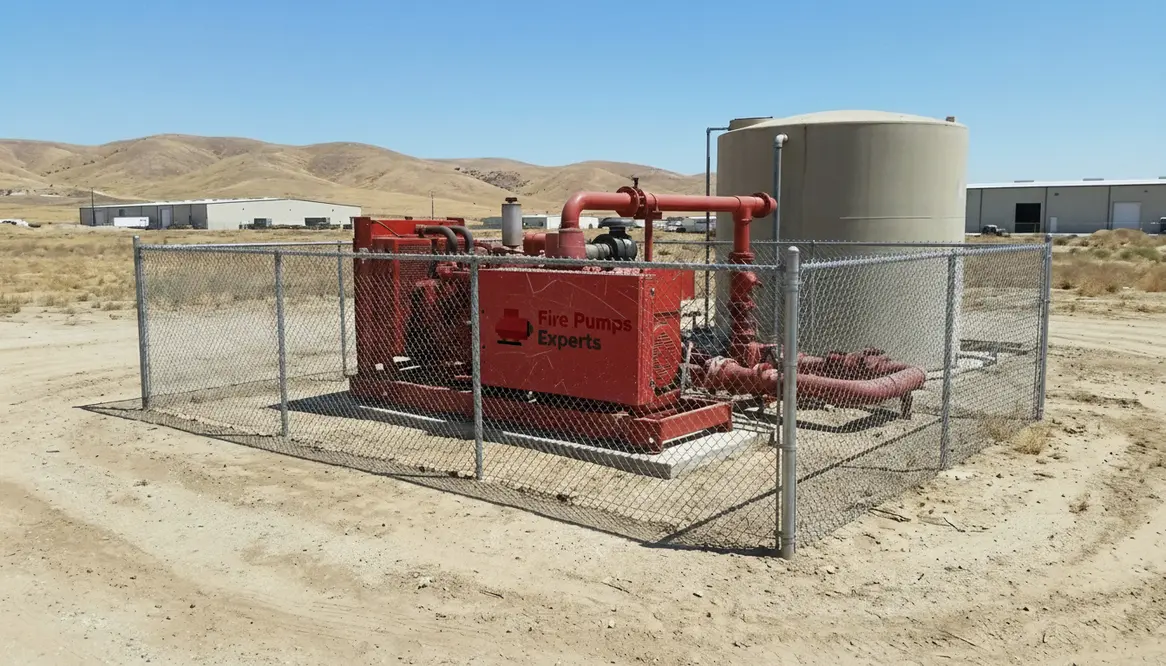
Remote Location Fire Pumps in Kern County Guide
I have spent enough time around large buildings in Kern County to know one thing for certain. Fire safety is not the place for shortcuts, guesswork, or crossed fingers. And when it comes to remote location fire pumps, the stakes climb even higher. These systems often sit far from immediate help, quietly waiting for the one moment they cannot afford to fail. So, if you manage commercial or industrial properties out here, understanding how these pumps work is not just helpful. It is essential.
Let’s walk through what actually matters, without the fluff, and with just enough humor to keep us both awake.
What makes fire pumps critical for large Kern County properties
Fire pumps are the heartbeat of a fire protection system. When water pressure drops, they step in and push water where it needs to go. Simple idea. High consequence.
However, Kern County presents its own challenges. Long distances, industrial zones, and facilities spread across large footprints mean water supply is not always consistent. Therefore, I always treat fire pumps as a primary defense rather than a backup.
Additionally, systems supporting warehouses, oil facilities, and manufacturing plants often require higher flow rates. That means the pump must not only work but perform under pressure, literally and figuratively.
Think of it like casting Dwayne Johnson in an action movie. You do not hire him to stand in the background. You expect results.
How do remote location fire pumps work in isolated facilities?
In remote or less accessible areas, fire pumps operate with limited immediate oversight. That changes everything.
These systems often rely on dedicated water storage and independent power sources. In many cases, diesel engines take the lead because they do not depend on the electrical grid. Meanwhile, controllers monitor pressure and activate the system automatically when needed.
But here is the catch. Isolation increases risk. If something goes wrong, response time stretches out. Therefore, reliability becomes the main priority, not convenience.
I always recommend treating remote setups like a self contained ecosystem. Every component must support the others without outside help. When you are responsible for remote location fire pumps that sit miles from municipal infrastructure, that ecosystem mindset is the difference between “handled” and “why is everything on the news?”
Core components I always evaluate first
Power source
Electric or diesel, the choice must match the facility risk profile. Diesel often wins in remote setups.
Controller systems
These act as the brain. They must trigger quickly and log events clearly.
Water supply
Storage tanks must meet demand without hesitation. Undersized tanks are a common mistake.
Jockey pumps
They maintain system pressure and prevent unnecessary starts.
Valves and piping
Poor layout can choke performance, even with a strong pump.
Monitoring systems
Remote alerts are not optional. They are your early warning system.
Each piece plays a role. Ignore one, and the whole system starts to wobble like a folding chair at a backyard barbecue.
Maintenance expectations for high demand environments
Now, here is where things often slip. A fire pump that worked last year does not get a free pass this year.
Routine testing is not just a code requirement. It is your only proof the system will perform under stress. Weekly churn tests, monthly inspections, and annual flow testing all serve a purpose.
Moreover, Kern County conditions can accelerate wear. Dust, heat, and heavy industrial use push equipment harder than average. Therefore, I approach maintenance with a bit more urgency.
And yes, skipping inspections might save time today. But it is the kind of shortcut that turns into headlines tomorrow. Not the good kind.
Common compliance pitfalls I see too often
Even experienced property managers run into compliance issues. Usually, it is not from neglect but from assumptions.
For example, many assume older systems are grandfathered indefinitely. That is rarely true when modifications occur. Additionally, documentation gaps can create problems during inspections.
Then there is accessibility. Inspectors need clear access to equipment. If your pump room looks like a storage closet, that is a problem waiting to be flagged.
Finally, alarm integration often gets overlooked. If your system activates but no one knows, you are essentially relying on luck. And luck is not a strategy I recommend.
Choosing the right remote location fire pumps for industrial facilities
Match the pump to the hazard
Not all pumps are built for the same job. Selecting the right system requires understanding the specific risks tied to your property.
Start with hazard classification. High hazard industrial sites demand stronger and more reliable systems. Then consider distance from municipal water sources. The farther you are, the more independent your system must be.
Plan for growth, not just today
Also, think long term. Equipment should handle future expansion, not just current demand. I have seen too many systems outgrown within a few years, leading to costly upgrades.
And while budget matters, cutting corners here is like buying a parachute on clearance. Technically possible. Emotionally unsettling.
Integrating expertise and local support
If you operate in Kern County, it helps to work with a team already familiar with local codes, water conditions, and industrial layouts. Partnering with specialists who understand both Kern County fire protection requirements and the realities of remote location fire pumps gives you a serious head start on staying compliant and operational.
When your facility depends on remote location fire pumps tucked away on the edge of your property, having a trusted service provider who can test, repair, and document everything correctly is not just convenient. It is part of your risk management plan.
FAQ Quick Answers for Property Managers
These are the questions that come up again and again when people start getting serious about their remote location fire pumps and overall fire protection strategy.
What is a fire pump used for?
It boosts water pressure to ensure sprinkler systems perform effectively during a fire.
How often should fire pumps be tested?
Weekly churn tests and annual flow tests are standard for commercial systems.
Are diesel fire pumps better for remote areas?
Yes, because they operate independently from the electrical grid.
What happens if a fire pump fails inspection?
You may face compliance penalties and must repair issues immediately.
Do large facilities need backup systems?
In many cases, yes. Redundancy improves reliability and safety.
Final thoughts and next steps
Managing large properties in Kern County means planning for the unexpected. Fire pumps, especially in remote setups, are not just equipment. They are your safety net. Therefore, investing in proper design, maintenance, and monitoring pays off when it matters most. If you are unsure about your current system, now is the time to evaluate it, upgrade where needed, and ensure everything stands ready when called into action.
Take a clear look at your remote location fire pumps, your water supply, and your monitoring. Confirm that the system you have matches the hazards you actually face today, not the building you had ten years ago. With the right planning and the right partners, those quiet pumps on the edge of your property can stay exactly that: quiet, reliable, and ready, instead of the reason everyone is scrambling on the worst day your facility will ever see.