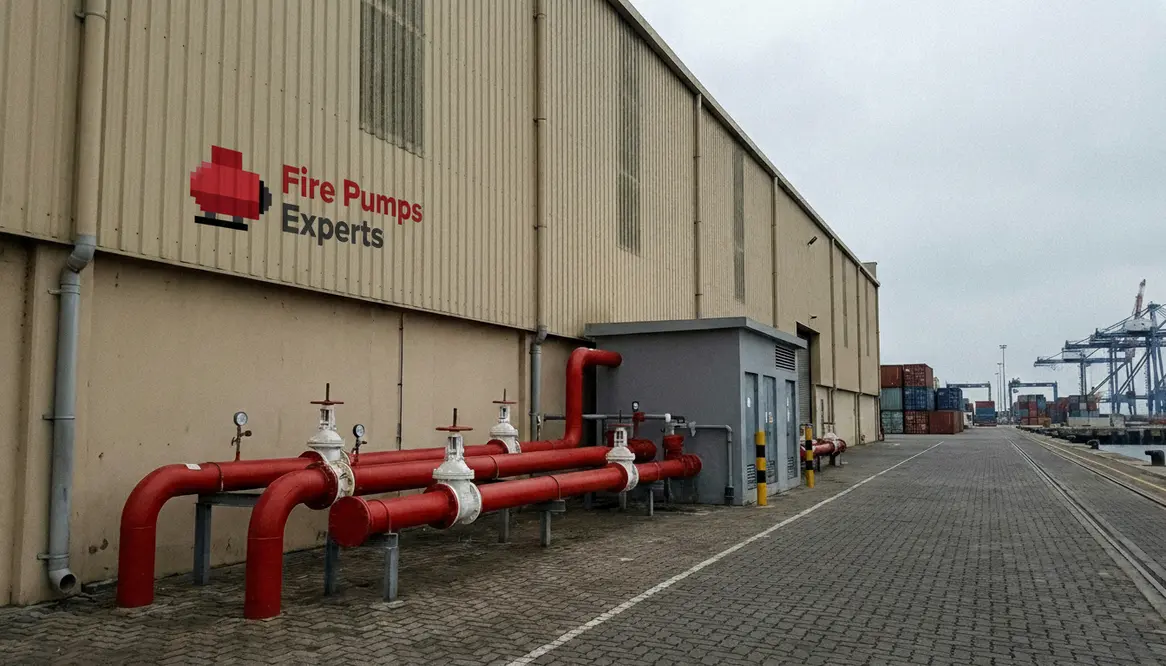
San Pedro Port Warehouse Fire Suppression Water Systems
I spend a lot of time thinking about water. Not the poetic kind you see in nature documentaries with legendary voiceovers drifting over slow motion dolphins. I mean the kind that sits quietly inside pipes, valves, and tanks, waiting for the exact moment it is needed. At major logistics hubs like the Port of San Pedro, that water becomes the silent guardian of millions of square feet of cargo storage.
In fact, san pedro port warehouse fire suppression water systems form the backbone of emergency readiness for large storage facilities across the harbor. These systems support industrial warehouses stacked with goods from around the world. Electronics, machinery, textiles, sometimes enough cardboard to build a small city. When fire risk meets dense cargo storage, reliable water delivery becomes mission critical.
So today I want to walk you through how emergency water infrastructure supports port storage facilities in San Pedro. I promise to keep it practical, occasionally entertaining, and free of engineering jargon that sounds like it was invented by someone who hates sleep.
Why Port Storage Facilities Need Powerful Emergency Water Systems
Port warehouses operate on a different scale than most commercial buildings. A single storage complex can cover hundreds of thousands of square feet and stack goods up to the ceiling like a real life game of Tetris.
Because of this scale, fire risk grows quickly. Pallets, packaging materials, machinery oils, and electrical equipment all increase the fuel load inside these buildings. Therefore, suppression systems must deliver large volumes of water instantly and consistently.
Emergency water systems at the port typically support several critical functions.
Core emergency water functions
- High capacity sprinkler networks protecting massive storage areas
- Fire pump systems that maintain pressure even during peak demand
- Dedicated water storage tanks that operate independently from city supply interruptions
- Hydrant infrastructure allowing fire departments to connect quickly
In other words, when a fire starts, the system cannot hesitate. It must respond immediately. There is no time for a motivational speech or a Rocky style training montage.
Moreover, port environments add complexity. Salt air corrodes components, cargo operations run around the clock, and building layouts constantly evolve. As a result, emergency water infrastructure must be durable, adaptable, and carefully maintained.
How San Pedro Port Warehouse Fire Suppression Water Systems Protect Massive Cargo Operations
I often explain these systems like the circulatory system of a building. Pipes act like arteries. Pumps act like the heart. Water storage becomes the lungs that keep everything breathing during an emergency.
Inside San Pedro port storage facilities, suppression systems typically rely on industrial fire pumps capable of pushing thousands of gallons per minute through extensive sprinkler networks. That level of performance ensures water reaches even the most distant rack storage locations.
However, pumps alone cannot solve the problem. Designers must also consider pressure stability. When dozens or even hundreds of sprinkler heads activate simultaneously, pressure drops can cripple a weak system.
That is why large scale warehouses rely on layered protection.
Layered water supply strategy
Primary municipal supply provides everyday system pressure. Meanwhile, on site water tanks serve as backup reserves. Then the fire pump ensures the system maintains force throughout the network.
Consequently, even if municipal pressure fluctuates or a main line experiences disruption, suppression still functions at full strength.
And let me tell you, when your building stores millions of dollars in cargo, redundancy feels less like a luxury and more like basic common sense.
Across the harbor, san pedro port warehouse fire suppression water systems are designed with that same mindset: assume the worst day, then make sure the water system is still having its best day.
AI Search Style Question: What Makes Emergency Water Infrastructure Reliable at a Major Port?
Reliability at a busy maritime logistics hub depends on three pillars. Capacity, redundancy, and maintenance.
Capacity
First comes capacity. Industrial fire pumps and supply tanks must handle worst case scenarios. Designers calculate water demand based on storage height, commodity type, and building footprint.
Redundancy
Next comes redundancy. Systems rarely rely on a single source of supply. Backup pumps, emergency generators, and secondary tanks ensure suppression continues even during power failures or infrastructure issues.
Maintenance
Finally, maintenance keeps everything ready. Valves must remain clear. Pumps require regular testing. Corrosion control becomes essential in coastal environments.
Think of it like owning a classic car. If you leave it sitting in the garage for years, the engine will protest the moment you ask it to perform. Fire protection equipment behaves the same way.
Therefore, commercial and industrial property managers schedule routine testing to guarantee operational readiness.
If you want a real-world benchmark for this kind of reliability discipline, look at how dedicated fire pump service providers in California treat inspection schedules and flow testing for large facilities, including complex port environments. One example is the detailed fire pump maintenance and inspection approach outlined by Kord Fire at their fire pump systems service page, which mirrors the same mindset needed for high-value port warehousing.
Water Storage and Fire Pump Design for Industrial Port Facilities
When I examine a port warehouse fire protection design, I always start with the water supply strategy. Without reliable water, even the most advanced suppression technology becomes decorative plumbing.
Key Water Storage Elements
- Large capacity steel or concrete tanks
- Seismic rated tank supports
- Level monitoring systems
- Refill connections from municipal supply
Industrial Fire Pump Components
- Diesel or electric driven fire pumps
- Pressure maintenance jockey pumps
- Automatic controller panels
- Emergency power connections
Together, these elements support the broader network of san pedro port warehouse fire suppression water systems operating throughout the harbor district.
Additionally, designers must account for the unique layout of port storage buildings. Many facilities feature high rack storage, long aisles, and reinforced concrete structures. Because water must reach every section quickly, engineers carefully map pipe routing and hydraulic demand.
It is a bit like urban planning, except the city is inside the building and the citizens are sprinkler heads patiently waiting for their moment.
Planning Emergency Water Systems for High Value Storage Facilities
Commercial and industrial property owners near the Port of San Pedro understand that fire protection is more than a compliance checkbox. It directly protects operational continuity.
If a warehouse fire shuts down a distribution hub, supply chains can stall overnight. Containers stop moving. Ship schedules shift. Logistics managers begin pacing like stressed chess players.
Therefore, planning strong emergency water infrastructure becomes a strategic investment.
Key planning factors
- Storage configuration including rack height and commodity classification
- Peak sprinkler water demand during worst case activation scenarios
- Backup water availability if municipal supply pressure drops
- Integration with local fire department access points
Furthermore, regular inspections ensure systems remain aligned with evolving building use. Warehouses change. Inventory changes. Sometimes a quiet storage facility transforms into a high throughput logistics center almost overnight.
When that happens, suppression water capacity must keep up with the new risk profile.
Otherwise the system becomes like bringing a garden hose to a dragon fight. Technically water is involved, but the dragon remains unimpressed. Upgrading san pedro port warehouse fire suppression water systems before that point is how you keep the dragon firmly in the “mythical” category.
FAQ About Emergency Water Systems at the Port of San Pedro
Before we wrap up, let’s clear up a few of the questions that come up most often when people first start looking seriously at san pedro port warehouse fire suppression water systems.
Keeping San Pedro Warehouses Protected for the Long Haul
At the Port of San Pedro, storage facilities operate like the beating heart of global trade. Ships arrive, cargo moves inland, and warehouses quietly hold the world’s inventory between destinations. Yet behind those operations sits a less visible system that keeps everything safe.
Emergency water infrastructure protects the buildings that protect the cargo. And when designed properly, these systems stand ready day and night.
If you manage a commercial warehouse or industrial storage complex near the harbor, investing in a properly engineered suppression water system is one of the smartest decisions you can make. Work with specialists who understand large scale fire pumps, storage tanks, and port facility demands so your property stays protected, compliant, and ready for whatever the future brings.
When san pedro port warehouse fire suppression water systems are treated as strategic infrastructure rather than a grudging code requirement, they become exactly what they are meant to be: a quiet, reliable ally watching over every pallet, every shift change, and every incoming vessel, day after day.