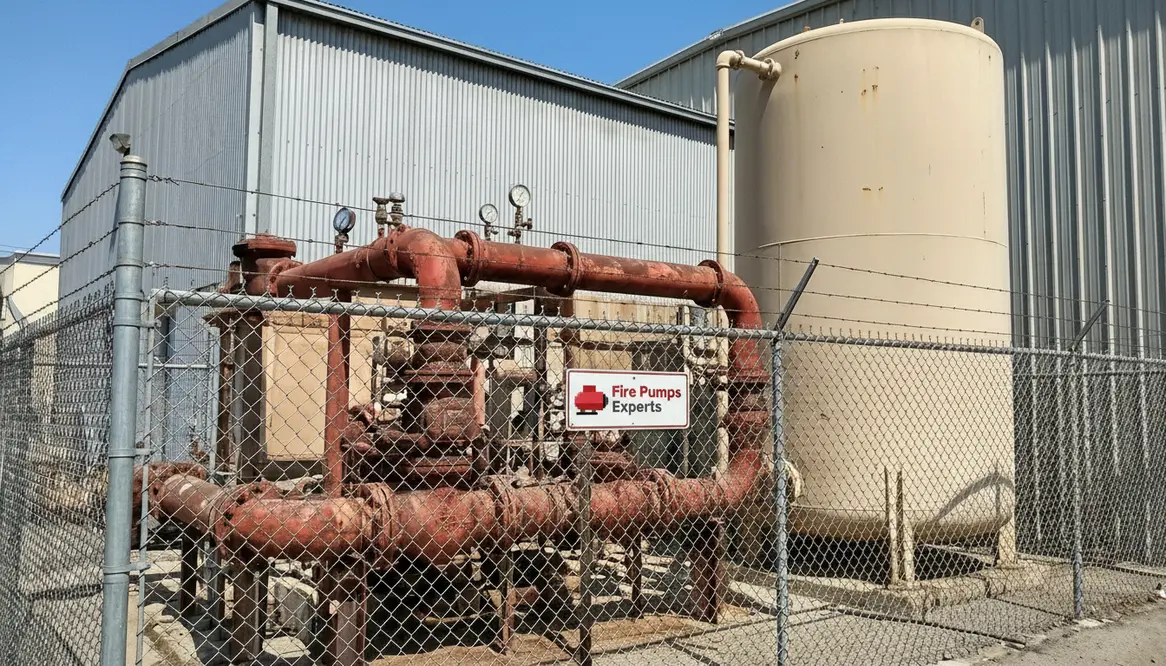
Vernon Manufacturing Fire Protection Water Supply Guide
I have spent years around industrial facilities, and one truth always stands firm. Fire does not negotiate. It does not check schedules, wait for a supervisor, or politely ask permission before spreading across a production line worth millions. That reality is exactly why a reliable vernon manufacturing facility fire protection water supply matters so much in Vernon, California. In a city packed with warehouses, food processing plants, and heavy production spaces, the difference between minor damage and a catastrophic shutdown often comes down to how quickly and effectively water reaches a fire suppression system.
So today I am pulling back the curtain on how these systems actually work. We will talk about how industrial water supplies for fire protection are designed, why Vernon facilities face unique challenges, and what smart facility managers do to keep everything ready. And yes, we might sprinkle in a joke or two. Because discussing water flow calculations without a smile is like watching a three hour director’s cut of a movie about spreadsheets. Technically impressive, but emotionally exhausting.
Why Industrial Fire Water Systems Matter in Vernon Manufacturing Facilities
Vernon, California sits in the heart of one of the most concentrated industrial zones in the United States. Manufacturing plants, cold storage facilities, packaging operations, and food production sites operate around the clock. Because of that density, fire protection water infrastructure must perform flawlessly.
Unlike residential sprinklers, industrial suppression systems demand enormous water volume delivered quickly. A large warehouse sprinkler network can require thousands of gallons per minute. Therefore, the fire water supply becomes the backbone of the entire system and a core part of any serious vernon manufacturing facility fire protection water supply strategy.
I often explain it this way. Sprinklers are the firefighters inside the building. However, the water supply is the fire station. If the station cannot send enough support, even the best designed sprinkler heads struggle to contain the fire.
Additionally, manufacturing facilities store materials that increase fire load. Packaging materials, oils, plastics, chemicals, and high stacked storage can intensify flames. Consequently, Vernon facilities rely on dedicated fire pumps, storage tanks, and municipal connections working together to maintain pressure and flow.
And let’s be honest. Production downtime in Vernon can cost companies serious money. When a fire shuts down a plant for weeks, the financial impact spreads faster than a rumor at the office coffee machine.
How a Vernon Manufacturing Facility Fire Protection Water Supply Actually Works
When someone asks me how these systems function, I usually describe them as a carefully choreographed dance between water, pressure, and timing. Every component has a role.
1. Water source
First comes the water source. In many Vernon industrial properties, this begins with the municipal water main. However, city pressure alone rarely meets the needs of a large suppression system. Therefore engineers design additional support systems as part of a resilient vernon manufacturing facility fire protection water supply.
2. Fire pump
Next enters the fire pump. This is the muscle of the system. When pressure drops during a fire event, the pump activates and pushes water through the sprinkler network at the required flow rate.
3. Storage tanks
Storage tanks often play a major role as well. These tanks hold a dedicated volume of water reserved strictly for fire suppression. Even if city pressure dips or multiple systems activate, the facility still has a dependable supply.
4. Valves, testing points, and monitoring
Finally, control valves, test headers, and monitoring systems tie everything together. They ensure water flows where it should and alert facility managers when something is wrong.
In other words, this is not just plumbing. It is a coordinated response system designed to act within seconds. Think of it as a team of superheroes for fire protection. Each component brings a different strength, but together they handle the emergency.
Key Components That Keep Industrial Fire Water Systems Reliable
When I evaluate systems for industrial properties, I look closely at several core elements. These pieces determine whether the system will perform during a real emergency.
Fire pumps
These pumps boost pressure when the sprinkler system activates. Diesel and electric models both appear in Vernon facilities depending on reliability needs and power availability. For deeper detail on compliant pump design, installation, and testing, resources like NFPA 20 fire pump system guidelines are invaluable.
Dedicated water storage
Many facilities install on site tanks that guarantee adequate supply for suppression duration requirements. This is often the difference between a vernon manufacturing facility fire protection water supply that looks good on paper and one that actually performs when the sprinklers open.
Backflow prevention
Industrial fire systems must protect the municipal water supply from contamination. Backflow assemblies handle this quietly in the background.
Underground fire mains
These pipes distribute water across large properties, connecting hydrants, sprinkler risers, and fire pumps.
Pressure monitoring
Modern systems use sensors and alarms to track pressure drops that signal activation or problems.
Regular testing
Flow tests confirm the system still delivers required gallons per minute under real conditions.
Each component must work together seamlessly. When one part fails, the rest of the system loses effectiveness. That is why industrial property owners treat fire water systems like mission critical infrastructure. Because, frankly, they are.
What Makes Vernon Fire Protection Water Infrastructure Unique
Vernon presents some interesting challenges for fire protection engineers. The city developed around heavy industry long before modern building codes and water infrastructure planning existed.
As a result, water pressure can vary significantly between properties. Some locations benefit from strong municipal supply, while others require substantial pump support.
Additionally, older industrial buildings often expand over time. A facility might start with a modest sprinkler system and later grow into a massive distribution hub. However, the original water supply may not match the new hazard classification.
That is when upgrades become essential. Engineers analyze the facility layout, hazard level, and required fire flow. Then they design improvements such as higher capacity fire pumps, larger underground mains, or additional water storage.
Another Vernon factor involves dense building spacing. Industrial properties often sit very close together. Therefore external hydrants and fire department connections must deliver enough water not only for the building itself but also for exposure protection.
In other words, fire protection planning here requires foresight. Because when facilities share walls, problems can spread faster than spoilers on social media.
Designing a Vernon Manufacturing Facility Fire Protection Water Supply That Meets Code and Reality
Code compliance is important. However, smart facility managers go beyond the minimum requirements. They design systems that handle real world risks and treat the vernon manufacturing facility fire protection water supply as a living, monitored system instead of a one time installation.
Fire flow analysis
Engineers begin with a fire flow analysis. This study calculates how much water the building requires based on occupancy type, storage height, and sprinkler density.
Hydraulic modeling
Next, hydraulic modeling simulates how water moves through the system. These calculations confirm that pressure remains strong at the most remote sprinkler heads. Because if water reaches every sprinkler except the one above the fire, that is not exactly a success story.
Integrated system design
Then designers integrate pumps, tanks, and underground mains into a cohesive system. They also coordinate with municipal authorities to confirm the public water network can support the required flow.
Testing and verification
Testing follows installation. Flow tests measure gallons per minute and pressure levels to ensure the system performs exactly as designed.
Ongoing inspection and maintenance
Finally, routine maintenance keeps everything operational. Fire pumps undergo weekly checks and annual performance testing. Control valves remain supervised. And inspections verify that nothing obstructs the system.
It may sound like a lot of effort. Yet compared to the cost of a major industrial fire, these steps feel refreshingly simple. They turn a basic vernon manufacturing facility fire protection water supply into a robust, dependable defense line that can save equipment, inventory, and paychecks.
FAQ: Fire Protection Water Supply for Industrial Facilities
Facility teams in Vernon ask many of the same questions when they start taking a closer look at water supply and fire pumps. Here are clear, straightforward answers.
Conclusion
Fire protection is not just another building system. It is the quiet guardian standing watch over your facility every hour of the day. If your industrial property in Vernon relies on a complex sprinkler network, then the strength of its water supply determines how well that guardian performs. A thoughtful vernon manufacturing facility fire protection water supply design, supported by the right pumps, storage, and testing program, can be the difference between a close call and a business ending disaster. Our team specializes in designing, testing, and upgrading fire water systems for large commercial and industrial facilities. Reach out today and let us make sure your protection flows exactly when it matters most.