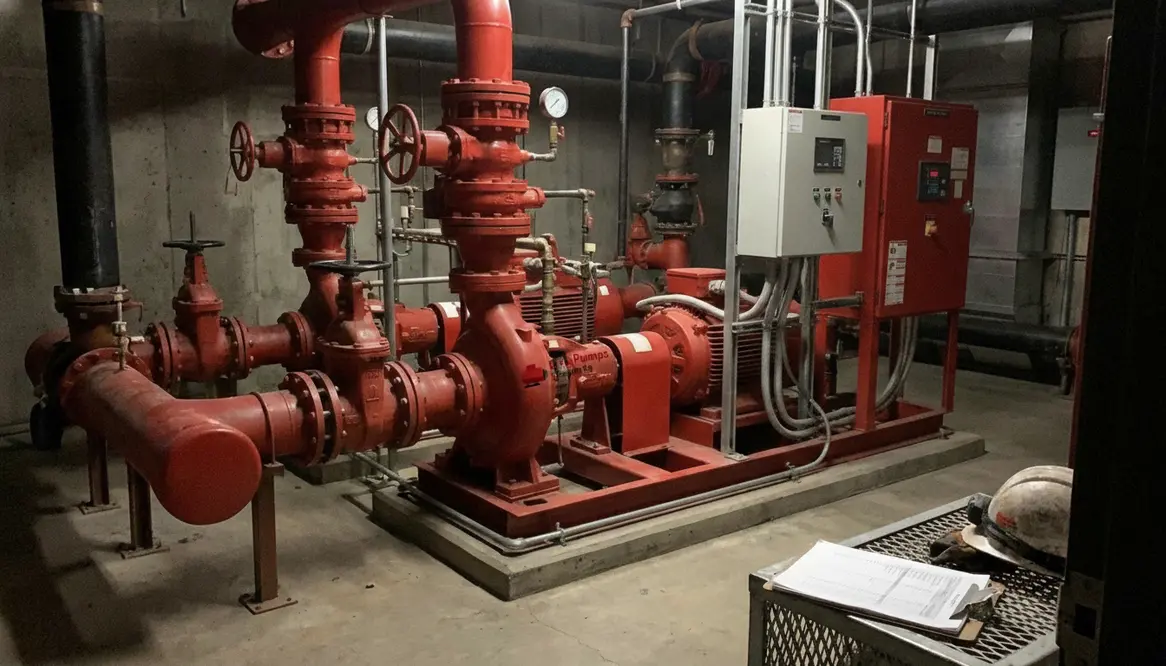
SANS Fire Pump Standards for Commercial Industrial
How modern fire pump rules keep large commercial and industrial buildings from turning minor incidents into full scale disasters.
SANS Fire Pump Standards Overview for Commercial and Industrial Buildings
When I talk about fire protection for commercial and industrial sites, I start with SANS standards. They set the baseline for how fire pumps should perform, how they should be installed, and how they should be tested. That matters because a fire pump is not a nice to have piece of kit. It is the muscle behind the sprinkler system when water pressure drops and the building suddenly decides to audition for a disaster movie. In this article, I will break down the SANS fire pump standards in plain language, with a focus on major property buildings, industrial plants, and other serious business where safety cannot play second fiddle.
At a glance: why these rules matter
- Defines how fire pumps are designed and installed
- Sets expectations for performance and testing
- Keeps large commercial and industrial systems reliable under pressure
- Helps owners line up with insurers, auditors, and regulators
What SANS standards mean for fire pump design
I treat SANS standards as the rulebook for keeping fire pump systems reliable in real world conditions. They guide the layout, water supply, pump selection, backup power, and testing needs for commercial and industrial properties. As a result, you do not guess your way through compliance. You build a system that can stand up when pressure falls and time gets short.
In simple terms, the standards help make sure the pump can deliver enough water at the right pressure for the fire protection system. They also push for proper site planning, because a weak pump room is like putting Batman in a paper cape. It looks okay until trouble arrives.
Why fire pump compliance matters in large properties
I often see people focus on the visible parts of fire protection, like sprinklers and alarms, while the pump gets less attention. That is a mistake. In a large commercial building or industrial site, water demand can rise fast. So, the fire pump must work without delay and without drama.
Key reasons compliance should not be ignored
- It supports dependable water flow during a fire event
- It helps protect people, assets, and operations
- It reduces the risk of system failure during inspection or emergency use
- It helps owners meet insurer and safety expectations
Furthermore, compliance is not just about ticking boxes. It protects uptime. And in business, uptime is the quiet hero of the story. Nobody cheers for it, yet everybody notices when it vanishes.
SANS fire pump requirements for installation and performance
I look at fire pump standards in two broad areas: how the pump gets installed and how it must perform. The installation side covers the pump room, power supply, suction and discharge piping, and access for inspection. The performance side covers flow, pressure, and the ability to start automatically when needed.
Core expectations for commercial and industrial systems
- Proper pump sizing based on system demand
- Reliable power, often with a backup option
- Correct pipe support and valve placement
- Clear access for service and testing
- Routine checks to confirm working condition
Also, I pay close attention to pump room conditions. Heat, vibration, poor access, or bad drainage can all cause trouble later. A fire pump should not live in a place that feels like a forgotten basement in a thriller series. It needs space, protection, and easy maintenance access.
How I apply SANS standards during system review
When I review a fire pump setup, I start with the building use and risk level. Then I check whether the pump matches the fire protection demand. After that, I look at the water source, the power supply, and the control system. This sequence matters because a strong pump with weak support is still a weak system.
Simple review roadmap
| Area | What I check |
| Water supply | Enough volume, steady feed, and proper reliability |
| Pump unit | Correct size, correct type, and proper start logic |
| Controls | Automatic start, alarms, and clear status signals |
| Testing | Routine run checks and flow checks under load |
Moreover, I never treat testing as a formality. A pump that has not been tested is like a movie sequel no one reviewed. It may be fine, but I would not bet the building on it.
SANS standards and ongoing maintenance
Standards do not stop at installation. In fact, the real value shows up in maintenance. I always recommend a planned service routine for commercial and industrial sites, because fire pumps age, seals wear, and controls drift over time. Dust, vibration, and moisture also do their slow little job in the background.
Maintenance essentials for long term reliability
- Weekly visual checks
- Regular no load or test starts
- Scheduled flow testing
- Inspection of alarms and controls
- Review of power and fuel supply, where relevant
Therefore, a site that follows SANS based maintenance keeps its system ready and its risk lower. This is especially important for large properties where a small fault can grow into a very expensive problem.
Where I see the biggest compliance wins
I see the best results when owners treat fire pump compliance as part of business continuity, not just safety paperwork. That mindset changes everything. It leads to better planning, cleaner installations, and faster issue response. It also helps teams speak the same language, which saves time and avoids confusion.
If you want a deeper technical reference, I recommend exploring the commercial fire pump standards resource for major properties as a useful starting point. It fits the needs of industrial facilities and large buildings that need serious fire protection support.
When these systems are aligned with SANS standards, they move from “installed and forgotten” to “ready and dependable” whenever a real emergency tests the design choices made years earlier.
SANS standards in real world context
Major commercial buildings
High rise offices, shopping centers, and mixed use complexes lean on SANS standards to coordinate pumps, tanks, and sprinklers across long vertical and horizontal runs. The rules keep pressure balanced so that top floor tenants are not relying on wishful thinking when a fire alarm goes off.
Industrial plants
Production lines, warehouses, and processing facilities often combine high fuel loads with complex layouts. Here, SANS standards keep pump performance honest when multiple hazards threaten to pull more water than the system can comfortably deliver.
FAQ
Conclusion
If you manage a commercial or industrial property, I strongly suggest you treat your fire pump system with the seriousness it deserves. SANS standards give you the path, but the real win comes from proper design, careful installation, and steady maintenance. So, do not wait for a fault to become a headline. Review your system, close the gaps, and keep your building ready for the moment it matters most.