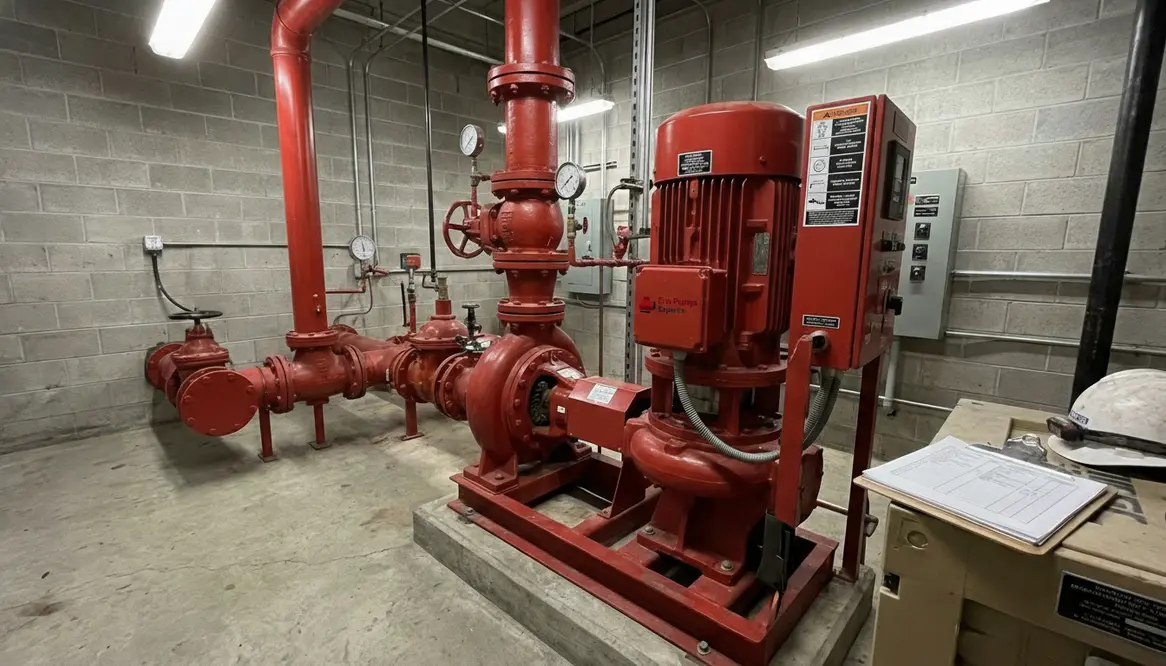
SANS Fire Pump Installation Requirements Guide
SANS Fire Pump Installation Requirements Explained
When I look at SANS installation rules for fire pumps, I do not see a pile of red tape. I see a life safety system that has to work when everything else has gone sideways. In a commercial tower, a warehouse, or a major industrial site, a fire pump gives the sprinkler system the pressure it needs to do its job. And yes, that job is very important. The building cannot just “hope for the best” and trust the fire will politely leave on its own. In this article, I explain the key requirements in a clear way, so you know what matters, what inspectors look for, and where projects often slip.
What SANS fire pump installation means for major buildings
First, I always start with the building type. SANS fire pump installation rules focus on commercial and industrial properties where fire risk, water demand, and system size are much higher. That means offices, malls, factories, logistics sites, hospitals, and high rise buildings. These systems must match the hazard level and the sprinkler design, not some one size fits all guess. That would be like putting a scooter engine in a freight truck and hoping for the best. It will not end well.
In practice, the installation must support reliable water flow, proper pressure, and steady operation during a fire event. So, the pump cannot sit in a weak location, and it cannot connect to a poor water supply. I also look at how the pump ties into the fire protection layout, because the pump must serve the full protected area without weak spots.
Key design rules I check before installation
Before anyone bolts a pump into place, the design must already make sense. SANS fire pump installation requirements expect the system to match the building’s fire load and hydraulic demand. That means the engineer should confirm the required flow, pressure, power source, and water storage before work starts. If the design is wrong, the installation will only make the wrong design look neat. And neat does not stop flames.
Main items I check early
- Correct pump size for the sprinkler and hose demand
- A water supply that can feed the pump without starving it
- Enough pressure to support the highest or furthest protected point
- Proper duty and standby arrangement where needed
- Suitable power supply and backup support
Also, the pump room matters more than many people think. It needs safe access, proper drainage, ventilation, and enough space for maintenance. If the room feels like a cramped closet behind a forgotten corridor, I already know future servicing will become a small drama with big costs.
How I approach pump room layout and equipment placement
Installation is not just about the pump itself. It is also about the space around it. A good SANS installation needs clear access for inspection, repair, and testing. Therefore, the pump, controller, valves, gauges, and suction and discharge piping must all be arranged in a clean, logical way.
The suction line should avoid air pockets and avoid restrictions that can hurt performance. Meanwhile, the discharge line must allow the system to deliver pressure smoothly. I also make sure the installation supports maintenance without forcing a technician to play limbo under pipework. That kind of “design creativity” belongs in theatre, not a fire room.
In addition, the room should protect the equipment from flood risk, heat, dust, and accidental damage. For industrial facilities, I pay extra attention to vibration, nearby machinery, and any activity that could affect the pump during an emergency.
In many projects, this is where SANS fire pump installation can either support smooth long term service or create constant headaches. When the layout respects clearances, airflow, and safe access, technicians actually want to keep the system in top shape.
Why testing and commissioning matter so much
Once the pump is installed, the real proof begins. SANS fire pump installation requirements always lead to testing, because an untested pump is just expensive hardware with confidence issues. I want to see the pump start correctly, build pressure properly, and operate under expected load. I also want records that prove the system works, not just a thumbs up from someone in a hard hat saying, “It should be fine.”
Important checks during commissioning
First, I verify the pump starts as intended, whether through automatic demand, manual start, or both. Next, I confirm the pressure and flow match the design. Then, I check alarms, controllers, power supply stability, and water level controls if the system uses storage tanks.
Here is a quick view of the usual focus points:
| Installation area | What I look for |
| Pump room | Access, ventilation, drainage, and working space |
| Suction piping | Smooth flow, no air issues, correct sizing |
| Controller | Reliable start, alarms, and clear operation |
| Water supply | Stable volume and pressure during demand |
| Testing records | Proof that the system meets design needs |
Furthermore, I recommend keeping detailed test results and maintenance logs. That paperwork may not win awards, but it can save a building from a very bad day.
How I keep the system compliant after handover
The job does not end after commissioning. In fact, that is where long term reliability begins. A compliant SANS installation needs regular checks, planned servicing, and quick repair when a fault appears. Since commercial and industrial sites often run hard every day, I treat fire pump upkeep as part of normal operations, not as an afterthought.
Routine inspection should cover pump condition, valves, pressure levels, power supply, controller status, and any sign of leaks or corrosion. Also, staff should know who to call and what to do if the pump room shows trouble. A fire system does not need a crowd. It needs competent people and fast response. That is the whole show.
For a deeper look at best practice for protected buildings, I also suggest reviewing commercial fire pump installation guidance for major properties as part of your planning and compliance process.
Across large properties, a robust SANS fire pump installation becomes the backbone of the water based fire protection strategy. When design intent, physical layout, and real world maintenance all line up, the system is ready for the worst day in the building’s life.
Frequently asked questions on SANS fire pump installation
Below are some of the questions I often hear when teams work through a SANS fire pump installation on a busy commercial or industrial site.
Conclusion
If I had to sum it up in one line, I would say this: a SANS fire pump installation must be designed, placed, tested, and maintained for real world fire protection, not for show. If you manage a commercial or industrial property, do not leave this to guesswork. I recommend working with the right fire protection team, checking every detail, and confirming compliance before trouble ever arrives. If you want the system done right, take the next step and get expert support now.