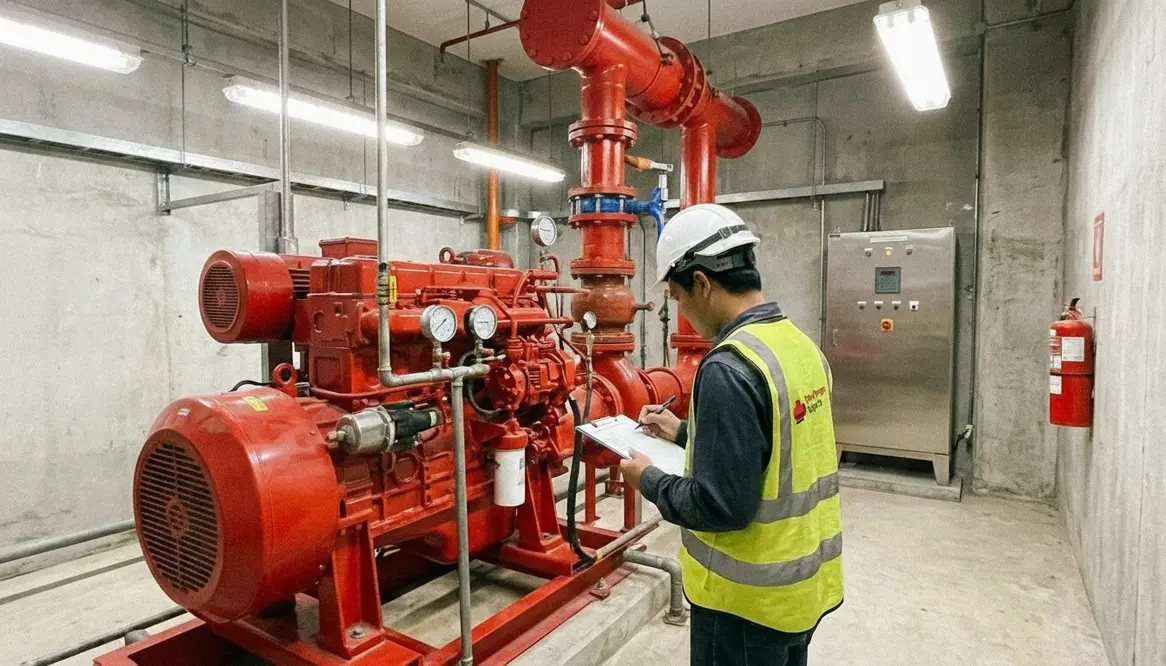
SCDF Fire Pump Inspection and Documentation Guide
A practical walkthrough to keep the quiet hero of your fire protection system ready, documented, and compliant.
When I handle an SCDF inspection for a commercial or industrial site, I treat the fire pump like the quiet hero in the room. It does not ask for applause. It just sits there, ready to work when smoke, heat, and panic show up uninvited. That is why I take the inspection and the paperwork seriously. One missed reading, one weak test, or one loose record can turn a tidy compliance file into a headache worthy of a bad sequel. In this guide, I walk through the full process so I can keep the system ready, the records clean, and the site in line with SCDF needs.
For a deeper reference, I also use the commercial fire pump compliance resource when I want a practical view of testing and upkeep for major properties.
How I Prepare for an SCDF Inspection
I always start before the actual visit or internal check. First, I confirm the fire pump type, its duty, and the areas it serves. Then I review the last service report, the weekly checks, and any alarms or faults from recent months. This gives me the full story before I touch a single gauge.
Next, I look at the pump room itself. I check access, lighting, ventilation, drainage, and clear space around the unit. A fire pump room should not look like a storage closet that lost its way. I also confirm that labels, valve tags, and control switches are easy to see. If staff cannot find a key part quickly, then the system is already working too hard.
Finally, I make sure the test tools are ready. That includes pressure gauges, logs, and any flow testing gear needed for the site setup. In many cases, a clean start saves time later, and time is money, which is why nobody enjoys a messy inspection day.
Pre-inspection checklist I keep handy
- Confirm pump type, duty, and protected areas
- Review last service and weekly test records
- Check for recent alarms or faults
- Verify clear access, lighting, and ventilation
- Confirm labels, tags, and switch identification
- Prepare gauges, flow meters, and log sheets
What I Check on the Fire Pump System
I inspect the pump from the outside in. First, I look for leaks, rust, damaged pipes, odd vibration, and unusual heat. Then I check the suction and discharge pressure readings. If the numbers drift outside the normal range, I dig deeper right away.
I also test the controller, power supply, battery condition, and automatic start function. If the pump does not start when it should, then the whole system becomes a very expensive decoration. After that, I review the jockey pump, valves, priming line, and tank level. Each part supports the next, so I do not treat any one item like a side character in a movie no one asked for.
Equipment checks
I inspect the pump casing, motor or engine, couplings, and all pipe connections.
Performance checks
I confirm start time, pressure build up, flow output, and shutoff behavior.
Safety checks
I verify alarms, signs, room access, and emergency shutoff controls.
This step matters because a strong pump can still fail if one small part slips. So, I do not rush it. I test, compare, and record every result with care.
How I Document Fire Pump Inspection Results
Good documentation keeps an inspection useful long after the test ends. I write down the date, site name, pump ID, test method, readings, faults, and corrective action. I also name the person who performed the check. That way, the record stands on its own and does not depend on memory, which can be as slippery as a soap bar in a wet corridor.
I keep the log clear and consistent. I use the same format every time so trends appear fast. If discharge pressure keeps falling month after month, the paper trail tells me before the system waves a red flag in my face. Moreover, I attach service notes, repair reports, and any photos that show a fault or completed fix.
Dual column view for clean record keeping
Inspection item
Pressure readings
System condition
Test result
Corrective action
What I record
Current suction, discharge, and jockey pump values
Leaks, wear, damage, vibration, and noise
Pass, fail, or needs repair
Repair done, parts replaced, or follow up needed
This simple structure helps me stay ready for audits, handovers, and maintenance reviews. It also makes life easier for building managers, who already have enough to juggle without hunting through mixed notes and mystery files.
Common Mistakes I Avoid During SCDF Inspection
I see the same problems again and again, and most of them are easy to avoid. First, some sites only check the pump when a deadline approaches. That is like waiting for the final five minutes of a superhero film to find out if the hero remembered the suit. Not ideal.
Second, people often record the test but skip the follow up. If a fault appears, I log it, assign action, and confirm closure. Otherwise, the same issue returns like a sequel nobody requested. Third, I watch for poor housekeeping around the pump room. Boxes, tools, and random junk can block access and slow response during a real emergency.
Also, I avoid vague notes. “Looks okay” does not help later. I want exact numbers, exact faults, and exact fixes. Clear notes support SCDF inspection readiness and make compliance much easier during reviews or audits.
Why I Keep Routine Checks Simple and Strict
In a commercial or industrial building, fire pump care is not just about passing a check. It is about keeping the system ready every day. I use a routine because routine beats panic. A steady schedule helps me catch wear early, plan repairs, and protect the building without drama.
Moreover, simple systems get done. When I make the process too fancy, people ignore it. So I keep the steps practical, the records neat, and the follow up firm. That approach supports safety, saves time, and helps the site stay ready when the pressure rises, both literally and figuratively.
The same mindset keeps every SCDF inspection manageable. I focus on clear routines, tight documentation, and visible follow up instead of complicated checklists that gather dust.
FAQ
Conclusion
If I want a fire pump to be ready when it counts, I keep the inspection sharp and the documentation even sharper. That means I test the system, record the facts, fix the faults, and review the pattern over time. If you manage a commercial or industrial property, make this process part of your routine now. Do not wait for trouble to introduce itself. Stay ready, stay compliant, and keep the system working before the alarm ever sounds. With that approach, every SCDF inspection becomes a confirmation of good habits instead of a surprise plot twist.