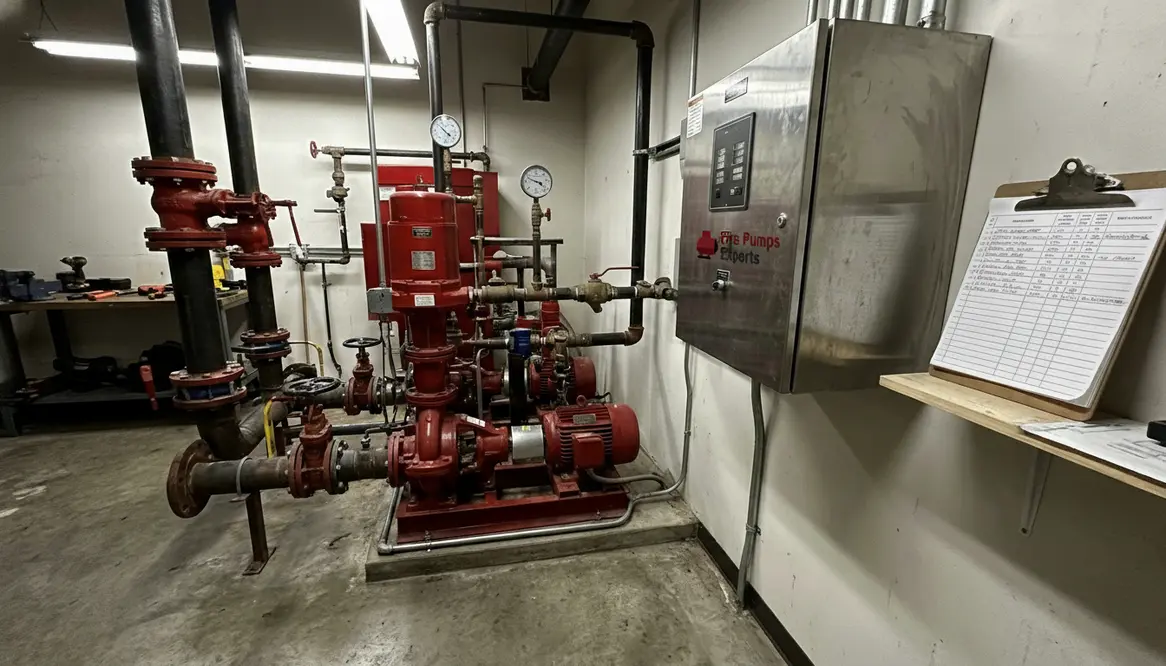
SCDF Fire Pump Requirements for Commercial Buildings
I work with fire safety topics often, and I can tell you this: SCDF requirements for fire pumps are not the kind of thing you want to “figure out later.” In commercial and industrial buildings, a fire pump is the quiet heavyweight in the background. It sits there like the unsung side character in a blockbuster, ready to save the whole plot when water pressure drops and the fire alarm starts singing its unpleasant little song. In this article, I will break down the SCDF fire pump requirements in plain language, so you can understand what matters, what inspectors expect, and why major properties need to get it right.
What I check first in a fire pump setup
When I review a fire pump system, I start with the basics: pump type, water supply, system layout, and reliability. SCDF requirements focus on making sure the pump can deliver enough water pressure and flow during a fire emergency. That sounds simple, but the real test is whether the entire system works as one clean chain.
For commercial and industrial facilities, I look at whether the pump supports the fire protection system properly, especially where hose reels, hydrants, sprinklers, or wet risers depend on steady pressure. If one part fails, the rest may follow like bad sequel writing. Therefore, the design must match the building risk, size, and use.
Key checks I focus on:
- Correct pump sizing for the building demand
- Reliable water source with enough reserve
- Proper pump room access and protection
- Backup power or alternate pump support
- Clear maintenance access for testing and repairs
How SCDF requirements shape pump design
The SCDF requirements do not treat fire pumps like generic equipment. Instead, they require a setup that stays dependable under stress. That means the pump room should stay safe, dry, and easy to reach. It also means the pump must serve the system fast enough, without awkward delays or pressure drops that make everyone’s day worse.
I always remind building owners that design is not only about meeting a checklist. It is about making the system work in real life. A pump that looks fine on paper but fails during testing is like a sports car with no engine. Very shiny. Very useless.
For major properties, the pump arrangement often includes duty and standby support. This helps the system keep working even if one pump fails. In many cases, the fire pump also needs automatic start features so it begins running when pressure falls. That automatic response matters because a fire does not wait for someone to stroll over and press a button after finishing coffee.
From my experience, the strongest systems share these traits:
- Short and direct pipe routing
- Strong suction conditions
- Protected electrical supply
- Simple controls with clear labels
- Regular flow and pressure testing
What commercial and industrial facilities must verify
For commercial and industrial buildings, I always stress verification. This is where SCDF requirements move from theory into practice. The owner, consultant, and contractor must confirm that the pump matches the approved fire safety design and the building use.
Here is a quick dual view of what matters most:
Design side
- Pump capacity fits the fire system demand
- Water tank or supply source meets the required volume
- Pipe sizes support stable pressure
Operation side
- Pump starts when system pressure drops
- Power supply stays stable during emergencies
- Routine testing confirms performance
In larger facilities, the stakes rise fast. Warehouses, factories, logistics hubs, and large commercial complexes often have higher fire loads and more complex layouts. Because of that, the fire pump must support wide coverage without losing strength at the far end of the system. If pressure weakens, the fire protection response weakens too. And that is not a gamble anyone should take.
I also pay close attention to maintenance records. Even a well built system can fail if no one tests it. SCDF requirements expect owners to keep the system ready, not merely installed. That means routine checks, clear logs, and quick fixes when issues show up.
How I explain testing, records, and upkeep
Testing is where the truth comes out. A fire pump can look perfect in the room, but the test tells you whether it can actually perform under load. I always recommend regular flow tests, pressure checks, and inspection of the pump controller, valves, and suction line. These steps reveal hidden weak spots before they become expensive problems.
Records matter just as much. If a test happens and nobody logs it, that is almost like it never happened. SCDF compliance depends on proof, not vibes. So I tell building teams to keep clean records of service dates, test results, repairs, and replacements. That helps during inspections and also helps when you need to trace a fault later.
For busy property teams, upkeep should be simple and repeatable. I suggest a schedule that covers daily visual checks, weekly system checks, monthly functional tests, and periodic professional servicing. This keeps the pump ready and reduces surprise failures. In other words, it keeps the drama on Netflix, not in the plant room.
Where I see the biggest compliance mistakes
Most problems I see are not mysterious. They come from rushed design, poor installation, or lazy upkeep. The same patterns show up again and again, especially in commercial and industrial sites that grow quickly and add equipment without updating the fire safety plan.
Common mistakes include:
- Undersized pumps for the actual fire load
- Poor access to the pump room
- Weak power backup planning
- Missing or incomplete test logs
- Water supply issues that go unnoticed
To avoid those issues, I always recommend working with specialists who know SCDF requirements and understand major property systems. If you need a deeper technical reference, I suggest reviewing fire pump compliance guidance for commercial buildings as a starting point for practical planning and maintenance direction.
FAQ
Final thoughts and next step
I take SCDF requirements seriously because fire pumps protect people, property, and operations when things go wrong fast. If your commercial or industrial facility depends on a fire pump, now is the time to review the design, test history, and maintenance plan. I recommend taking a close look at your current setup, then speaking with a qualified specialist who understands major properties. A good system does not ask for applause. It just works when the moment comes.