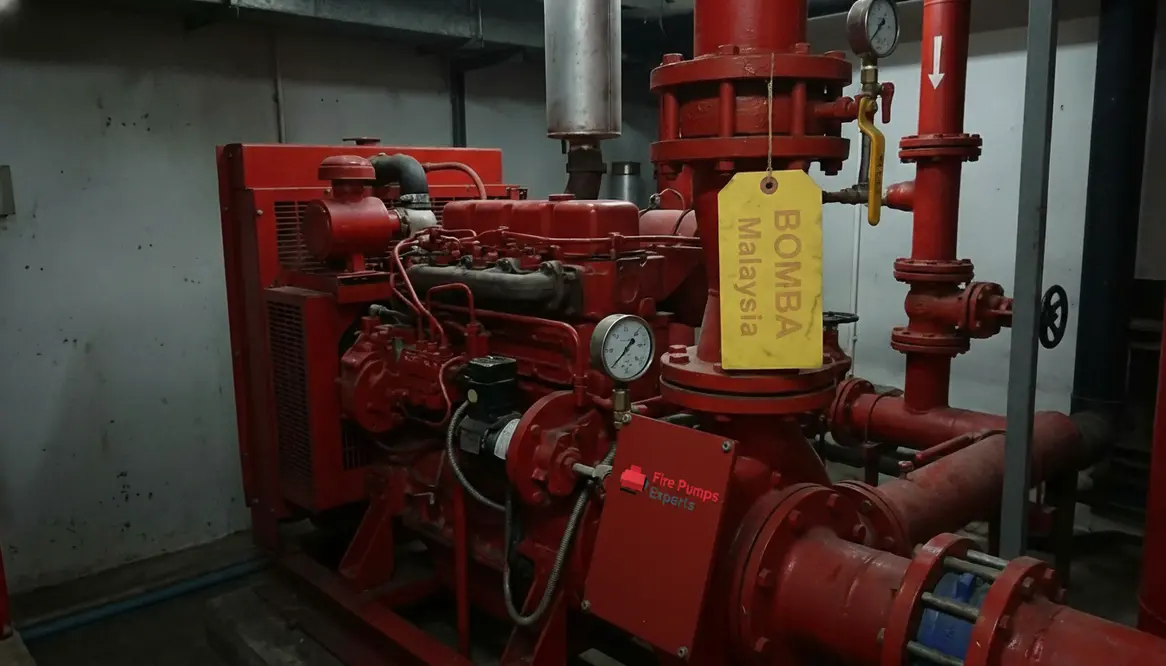
Malaysia Fire Pump Requirements Guide
Malaysia Fire Pump Requirements Explained
I have seen enough fire systems to know this much: when a building faces real risk, the fire pump is not a side character. It is the backup singer, the bodyguard, and the one person who still shows up when the lights go out. In Malaysia requirements for commercial and industrial facilities, the fire pump supports the sprinkler and hydrant system when water pressure drops. That matters most in large buildings, factories, warehouses, malls, hospitals, and other major properties where a weak water supply can turn a small incident into a very bad day.
In this guide, I explain the main fire pump rules in plain language. I will also show how the system fits into the wider safety plan, because a pump alone does not save the day any more than Batman saves Gotham without the Batmobile. Nice try, though.
Why fire pumps matter in commercial and industrial buildings
I always start here because the “why” makes the rest easier to understand. A fire pump boosts water flow so your fire system can do its job during an emergency. In many large properties, normal water pressure cannot meet demand across upper floors, long pipe runs, or heavy sprinkler loads. So, the pump steps in and keeps pressure steady.
For Malaysia, this is especially important in tall buildings, dense business areas, and industrial sites with higher fire loads. Since these properties often carry more people, more equipment, and more risk, the fire pump becomes a core safety asset. It is not optional decoration. It is the quiet machine in the background that everyone hopes never gets famous.
Malaysia requirements for fire pump setup
Here is the short answer. Malaysia requirements for fire pumps focus on reliable water supply, proper pressure, correct pump type, and backup support. The system must serve the fire protection design of the building, and it must stay ready when power or water problems appear.
The key points usually include:
- A main fire pump that delivers the needed flow and pressure for the building design
- A standby pump or backup arrangement so the system keeps working if the main pump fails
- Jockey pump support to maintain pressure and reduce unnecessary start ups
- Dedicated water supply with enough volume for the system demand
- Proper pump room conditions with access, ventilation, drainage, and safe layout
Also, the pump room should stay easy to reach and protected from damage. I have seen people treat pump rooms like storage closets, which is a bold strategy for a life safety system. Not a smart one, but bold.
How I check fire pump compliance in major properties
When I review a building, I look at the whole chain, not just the pump label. First, I check whether the pump matches the fire design flow and pressure. Then I review the tank or water source, the control panel, the suction and discharge lines, and the test arrangement. After that, I look at backup power, because a fire pump that fails during a blackout is about as useful as a flashlight with no batteries.
Next, I check the installation details. The pipes must support the pump properly. Valves should sit in the right place. The room needs enough space for service. In addition, the system should allow testing without shutting down the entire property. For commercial and industrial buildings, that matters because downtime can hit business harder than a bad quarterly report.
Dual column guide for fire pump essentials
What I check
Pump capacity
Backup pump or standby unit
Water supply
Power supply
Routine testing
Why it matters
Matches the water demand of the fire system
Keeps protection active if one unit fails
Provides enough stored water for fire fighting
Supports reliable operation during emergencies
Confirms the system will work when needed
What maintenance the Malaysia requirements expect
Fire pump systems need regular care. That is where many owners get relaxed, and then trouble arrives wearing steel boots. Malaysia requirements generally expect routine testing, inspection, and record keeping. I would treat that as non negotiable for any commercial or industrial facility.
Daily or weekly checks often confirm pump pressure, controller status, and visible faults. Meanwhile, monthly and periodic tests help confirm start up, flow, and overall performance. The standby pump also needs attention, because a backup that has not been tested is just a very expensive wish.
Just as important, I always advise keeping logs. These records help show the system stays ready and help spot trends before failure. Over time, a small pressure drop can signal a bigger issue, and catching it early saves money, stress, and probably a few gray hairs.
Where to find help for commercial fire pump systems in Malaysia
If you manage a factory, warehouse, office tower, hospital, or major property, I suggest working with a team that knows fire pump design, service, and compliance for Malaysia. You want people who understand real building risk, not just theory and nice brochures. For a useful starting point, you can review commercial fire pump solutions for Malaysia facilities.
When you ask for help, make sure the provider understands system sizing, testing, repair, and long term upkeep. Also, they should focus on commercial and industrial properties only, because those sites face the fire risk that demands serious engineering, not guesswork.
Malaysia requirements FAQs
Final thoughts
If you manage a large property in Malaysia, I urge you to take fire pump compliance seriously and act before an emergency forces the lesson. Review your system, confirm your backup support, and keep every test on record. Then, speak with a specialist who understands commercial and industrial fire protection from the ground up. If you want a safer, smoother path forward, now is the time to inspect, improve, and protect your building with confidence.