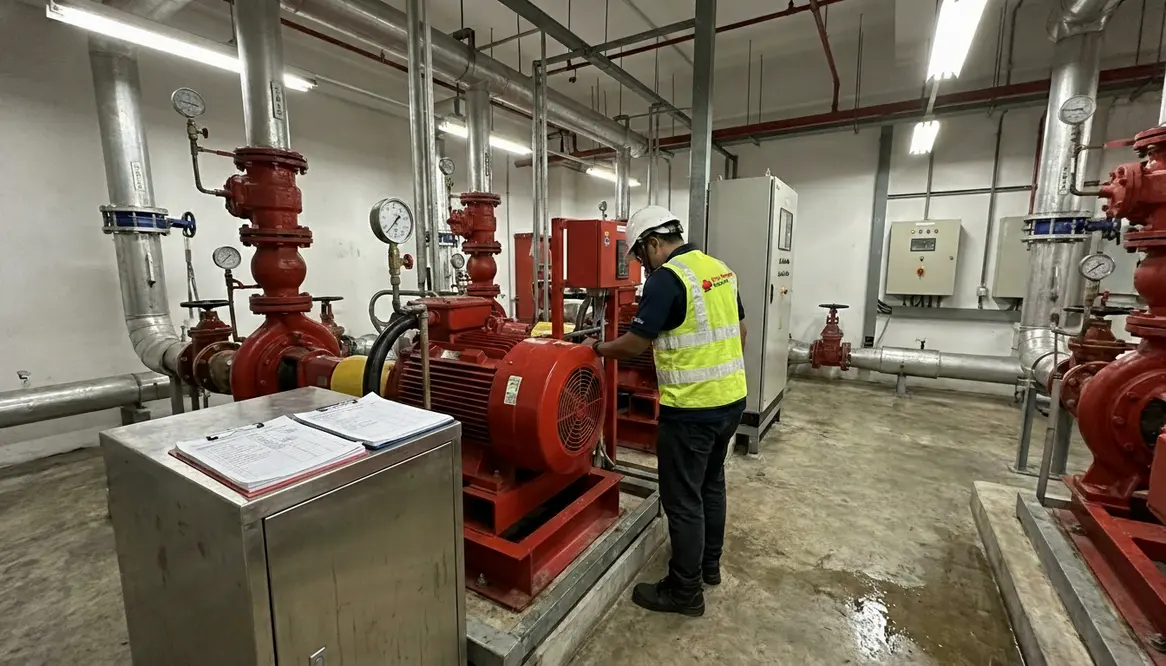
Malaysia Fire Pump Testing and Maintenance Guide
Malaysia Fire Pump Testing and Maintenance Guide for Commercial and Industrial Buildings
I have seen a lot of fire systems in my time, and I can tell you this much: a fire pump does not care about good intentions. It cares about water pressure, proper testing, and routine maintenance. That is why Malaysia testing for fire pumps matters so much in commercial and industrial facilities, as well as major property buildings. When the alarm goes off, nobody wants a dramatic surprise worthy of a soap opera. They want the pump to work, full stop. In this guide, I will walk through what I check, why I check it, and how I keep these systems ready for the real world.
Why Fire Pump Testing Matters in Malaysia
I treat fire pump testing as a basic safety habit, not a nice extra. In large buildings, the pump supports the sprinkler and hydrant systems when pressure drops. So, if the pump fails, the whole fire line can struggle. That is not a place I like to gamble.
Regular Malaysia testing helps me catch weak pressure, air leaks, worn parts, loose wiring, and bad controller settings before they turn into a costly problem. It also supports compliance with local fire safety needs, which matters a lot for industrial plants, office towers, retail complexes, and warehouses. In other words, this is not just about ticking a box. It is about keeping people safe and operations steady.
How I Test a Fire Pump Step by Step
When I carry out testing, I keep the process simple and disciplined. First, I inspect the pump room, controller, valves, gauges, fuel supply for diesel units, and power supply for electric units. Then I confirm the pump is ready for start up. After that, I run the pump under real operating conditions and watch the pressure, flow, vibration, noise, and start time.
The main things I check during Malaysia testing are:
- Starting performance and automatic operation
- Suction and discharge pressure
- Jockey pump performance
- Controller alarms and indicators
- Battery health for diesel systems
- Valve position and pipe condition
- Signs of leakage, heat, or unusual noise
Here is the part people often skip in spirit, even if they nod along in meetings: I do not just want the pump to start. I want it to hold pressure the way a bodyguard holds a line outside a club. That means I record readings, compare them with the pump curve, and look for any drift from normal performance.
Maintenance Schedule for Fire Pumps in Major Properties
I like a clear schedule because fire pumps, like old movie villains, tend to act up when ignored. A good maintenance plan reduces breakdowns and extends equipment life. For commercial and industrial sites, I usually separate checks into daily, weekly, monthly, and yearly tasks.
Daily and weekly, I review visual condition, pressure gauges, controller status, and any signs of leaks or strange sound. Monthly, I test the automatic start and confirm the pump responds fast. Quarterly, I inspect batteries, lubrication points, and control settings. Yearly, I run a deeper inspection, test output more fully, and review the full system record.
So, if I notice a pump takes too long to start, I do not shrug and call it “character.” I investigate. A slow response can point to electrical faults, air issues, low fuel, worn seals, or a failing controller. Small clues matter, and they usually show up before the big failure does.
Malaysia Testing Checklist for Reliable Fire Pump Performance
Below is the short version I use when I want a quick but serious review. It keeps the process tight and helps me avoid missing the obvious.
Dual column view
Test area
Pump start and stop response
Pressure readings
Valve position
Jockey pump action
Controller alarms
What I look for
Fast start and stable running
Reading within expected range
Open and ready state
No abnormal cycling
Clear signal and no fault light
This kind of checklist works well because it keeps the focus on the parts that fail first. And yes, the pump room still smells like dust and metal most days. That is part of the charm, I suppose.
Common Problems I Catch During Inspections
Over time, I have seen a few repeat offenders. Low battery charge on diesel pumps is a common one. So is a clogged strainer, a stuck valve, or a controller that looks fine until I actually test it. Sometimes the pump runs, but not at the pressure the building needs. That is a big red flag.
I also watch for vibration and heat. If a pump shakes too much, bearings, coupling parts, or alignment may be off. If it runs hot, I check for friction, poor ventilation, or flow problems. These are not just technical details. They are warning signs wearing a hard hat.
Good Malaysia testing helps me find these issues before they affect fire protection coverage. That matters most in large facilities where a failure can affect many floors, many people, and many systems at once.
How I Keep Fire Pumps Ready for the Long Run
I always say the best fire pump is the one that spends most of its life quietly waiting for trouble and never getting caught off guard. To keep it that way, I make maintenance part of the building routine, not a last minute rescue mission.
I keep logs for each test, because records help me spot patterns. I also make sure trained staff know what normal looks like, since many failures start with a small change that someone notices but never reports. Then I work with a proper service team that understands commercial and industrial fire systems, not a general handyman with a toolbox and confidence issues.
If you want a deeper resource on system care and inspection practices, I recommend reviewing fire pump testing and maintenance for commercial buildings as part of your planning. It helps build a cleaner long term approach and supports safer operations.
For additional reference material on fire pump system components and reliability, you can also review resources from https://firepumps.org and align them with your Malaysia testing program and building standards.
FAQ
Conclusion
If you manage a commercial or industrial property, I urge you to treat fire pump care as a core safety task, not an afterthought. A strong test plan, regular inspections, and proper records can save time, money, and lives. So, if your system has not been checked lately, now is the time to act. Book a proper fire pump review, stay ahead of failure, and keep your building ready when it counts most.