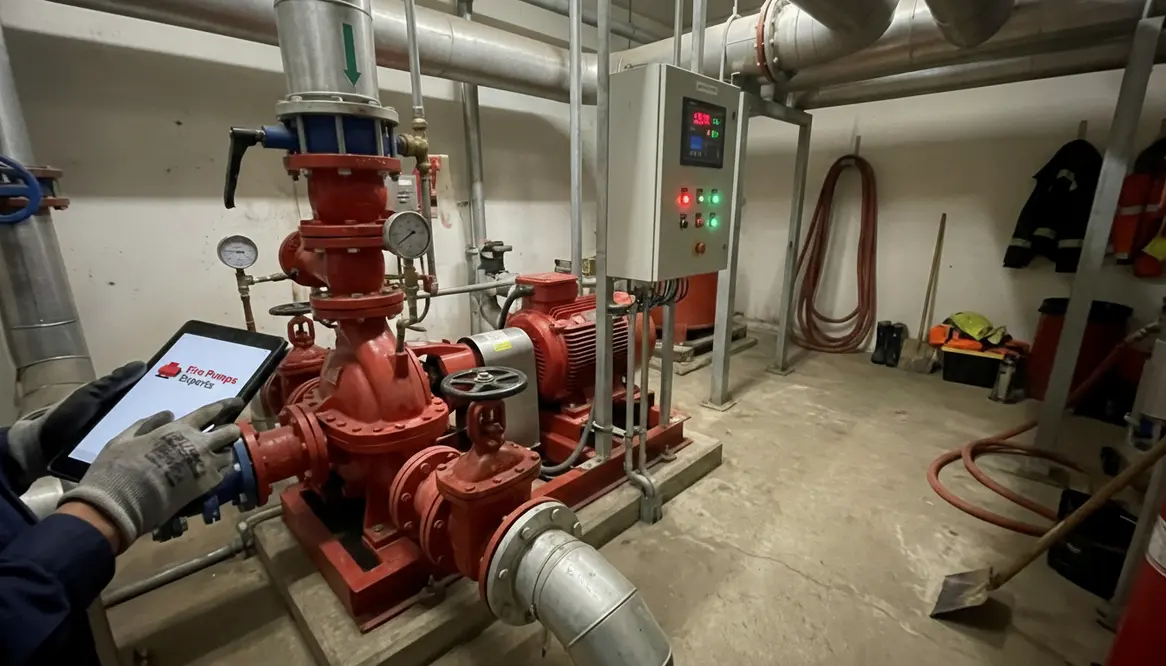
SCDF Fire Pump Testing Guide for Facilities
SCDF Fire Pump Testing Guide for Facilities
When I talk about SCDF testing, I am talking about one of those jobs that looks quiet on the surface but carries a lot of weight under the hood. For commercial and industrial facilities, the fire pump is not decoration. It is the muscle that helps a sprinkler or hose reel system do its job when things go sideways. And trust me, nobody wants to learn about water pressure during an actual fire drill that suddenly feels like a Marvel origin story.
In this guide, I will walk through how I approach fire pump testing for major properties, what I check, why it matters, and how facility teams can stay ready without turning the whole process into a monthly headache.
What SCDF fire pump testing means for facilities
I treat fire pump testing as a live check of system health. It tells me whether the pump can start, move water, and hold the pressure needed for fire protection. In Singapore, this matters even more because SCDF expects fire systems to work on demand, not on hope. Hope is nice for birthdays. It is not a strategy for life safety.
For a facility, SCDF testing usually covers the pump set, power supply, jockey pump, control panel, valves, pressure levels, and the pump room itself. I want proof that the system responds fast and stays stable. If the pressure drops or the pump fails to start, I want to know before an emergency does.
How I prepare before the test
Good testing starts before anyone touches a switch. First, I review past reports, repair notes, and any unusual pressure drops. Then I confirm the site type, because a warehouse, data center, or large plant may have different fire load and operational risks. After that, I check access to the pump room, test gauges, discharge lines, and power source.
Next, I make sure the relevant teams know the schedule. That includes facility staff, security, and sometimes tenants in major commercial buildings. Clear notice reduces panic and avoids the classic “Why is water running?” phone call that always lands right when someone is in a meeting.
SCDF fire pump testing steps I follow on site
Here is the short version first: I verify, start, observe, record, and compare. Then I repeat where needed. That is the rhythm.
Dual column view for a quick check
Left side
- Inspect pump room condition
- Check electrical supply and controller status
- Confirm jockey pump function
- Test automatic and manual start
Right side
- Watch pressure rise and drop
- Listen for odd noise or vibration
- Check discharge and valve response
- Record readings for comparison
First, I inspect the pump room. I look for leaks, blocked access, heat buildup, damaged wiring, and poor housekeeping. Then I check the controller and power supply. If the panel shows trouble before the test even begins, I already know the system needs attention.
After that, I run the pump. I verify that the main pump starts when pressure drops or when I trigger the test method allowed on site. I also confirm the jockey pump does its small but important job of keeping pressure steady. It may not get the glory, but it saves the main pump from cycling like a nervous intern on a caffeine high.
Then I watch the discharge pressure, running current, starting method, and response time. I listen for harsh noise, grinding, or shaking. These often point to wear, alignment issues, or suction trouble. Finally, I compare the numbers against the design and past records. A one time spike may be harmless. A pattern is a warning.
What I look for during SCDF fire pump testing
I focus on four things: start, flow, pressure, and stability. If the pump starts but cannot hold pressure, that is a problem. If it holds pressure but sounds like a bass line from a heavy metal concert, that is also a problem.
I also pay close attention to the following:
Common warning signs
- Pump fails to start on demand
- Pressure drops faster than expected
- Controller alarms appear
- Unusual heat, vibration, or noise shows up
- Fuel, battery, or power supply issues appear on standby units
For large facilities, I also consider how the pump ties into the full fire system. A pump that works in isolation is helpful, but a pump that supports the whole network is what the building really needs.
How I handle reports and follow up
After the test, I document every key reading, every fault, and every repair need. This record helps me track change over time and shows whether the pump is trending worse or staying healthy. It also gives facility managers a clear paper trail for internal checks and compliance work.
When I find a fault, I do not shrug and hope for the best. I recommend the fix, the urgency, and the next test date. If the issue affects safety, I push for action quickly. That is the whole point of testing: find trouble while it still has manners.
I also like to use a trusted fire pump testing service for commercial facilities when a site needs specialist support, detailed reports, or help with scheduled compliance work. For large properties, that kind of support can save time and reduce risk.
Quick reference: why consistent SCDF testing matters
Risk control
Regular SCDF testing turns unknown risk into measurable data. Instead of guessing whether the pump will start, the facility has proof based on actual performance.
Operational confidence
Teams know how the system behaves, where the weak spots are, and which components need attention before the next audit or incident.
Cost control
Catching problems early during SCDF testing is almost always cheaper than dealing with emergency repairs, unplanned shutdowns, and extended downtime.
FAQ
Conclusion
If I want a commercial or industrial facility to stay ready, I do not treat fire pump testing like a box to tick. I treat it like proof. Proof that the system works, proof that the records make sense, and proof that the building can respond when it counts. If your site needs reliable SCDF testing, I recommend acting early, keeping records clean, and bringing in the right support before a small fault turns into a costly problem.