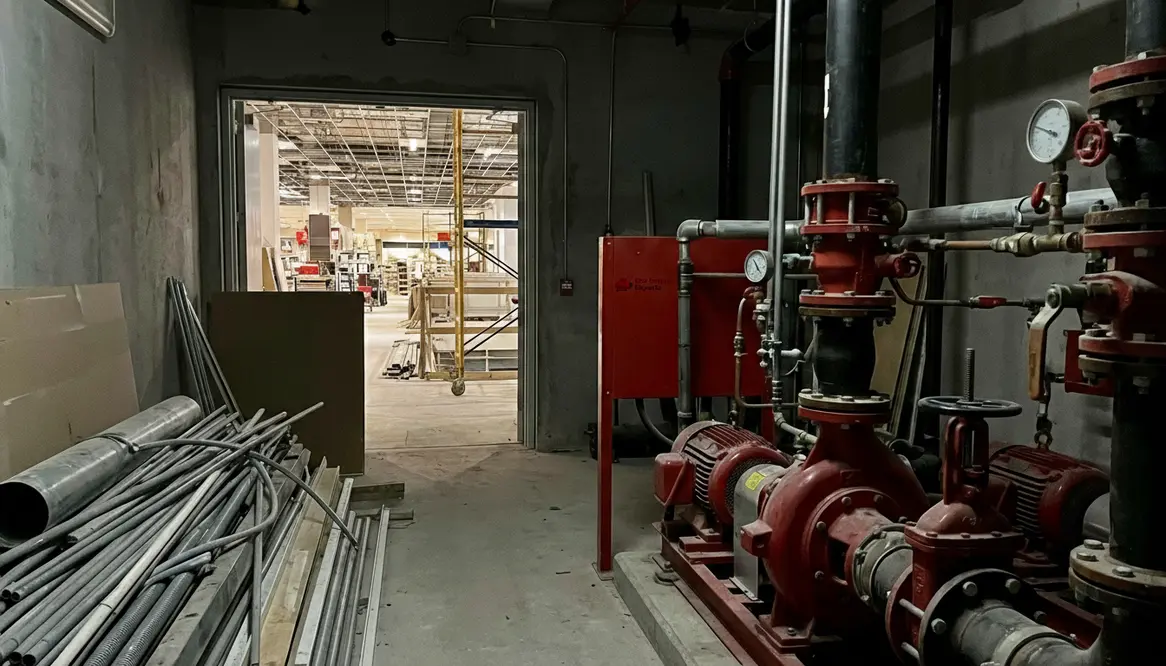
Shopping Center Expansion Fire Pump Requirements Guide
How modern retail growth quietly transforms fire protection, performance expectations, and long-term safety planning.
I have spent years watching retail spaces evolve from quiet strip centers into sprawling commercial hubs that feel more like small cities. And with that growth comes a quiet but critical shift behind the scenes. We call it shopping center expansion fire pump requirements. It sounds technical, maybe even dull at first glance. But trust me, it is the difference between a minor incident and a headline. As retail footprints stretch wider and stack higher, fire protection systems must keep pace, and yes, sometimes they need a serious upgrade.
How retail growth reshapes fire protection expectations
When a shopping center grows, it does not just add square footage. It adds complexity. More tenants mean more varied fire risks. A restaurant kitchen behaves very differently from a clothing store, and both differ from a big box warehouse tenant. As a result, the fire pump system that once worked fine may no longer meet demand.
Moreover, increased building size demands higher water flow and pressure. Fire pumps must now support longer pipe runs and more sprinkler heads. I often tell clients that expanding a retail property without revisiting fire protection is like upgrading your home theater but keeping dial up internet. It technically works, but not when it matters.
shopping center expansion fire pump requirements explained simply
Let me break it down in plain terms. When a commercial property expands, codes and standards often require reevaluation of the fire pump system. This includes checking flow rates, pressure capacity, and redundancy.
In many cases, existing pumps cannot keep up with the new hydraulic demand. Therefore, property owners may need to install a larger pump or even add a secondary unit for backup. Additionally, updated systems often require improved controllers and monitoring to meet current compliance standards.
And yes, inspectors will notice. They always do. Think of them as the Sherlock Holmes of fire protection, except instead of solving crimes, they are spotting undersized pumps.
What changes do I need to plan for during expansion?
If you are expanding a retail property, you should expect several key adjustments. First, water supply analysis becomes essential. You need to confirm that municipal supply or on site storage can support the upgraded system.
Next, pump sizing must align with the new hazard classification. For example, adding a distribution warehouse area can significantly increase demand. Consequently, your fire pump must deliver higher flow at consistent pressure.
Also, system integration becomes more complex. Fire alarms, sprinklers, and pumps must work together seamlessly. If one piece lags, the entire system weakens.
Finally, testing and commissioning take center stage. You cannot assume the system works. You prove it. Every time.
Before Expansion
- Smaller pump capacity
- Limited sprinkler zones
- Lower water demand
- Simpler system controls
After Expansion
- Increased pump output
- Expanded coverage areas
- Higher pressure requirements
- Advanced monitoring systems
Why older systems struggle with modern retail demands
Older fire pump systems were not built for today’s retail reality. Open concept layouts, multi level spaces, and mixed use tenants all push systems beyond their original design.
As a result, I often see pumps operating at their limits. That is not where you want to be during an emergency. A fire pump should have breathing room, not feel like it just ran a marathon.
Additionally, outdated equipment may lack compatibility with modern fire safety technology. This creates gaps in response time and reliability. And in fire protection, seconds matter more than most things in life, except maybe catching the last episode of a binge worthy show before spoilers hit social media.
shopping center expansion fire pump requirements and compliance strategy
Meeting shopping center expansion fire pump requirements is not just about passing inspection. It is about building a system that performs under real conditions.
I always recommend starting with a full system audit. This identifies weak points and helps map out necessary upgrades. Then, work closely with engineers who understand commercial scale systems. Not all fire protection professionals specialize in large retail environments, and that distinction matters.
Furthermore, plan for future growth. If expansion is happening once, it will likely happen again. Installing a system with scalability saves time and cost later.
And let us not forget maintenance. Even the best system fails without proper upkeep. Regular testing ensures your investment continues to protect both property and people.
For more detailed technical guidance on shopping center expansion fire pump requirements and system design examples, resources such as https://firepumps.org can be a useful reference alongside your local code officials and engineering team.
FAQ about retail fire pump upgrades
As owners and facility managers work through shopping center expansion fire pump requirements, the same practical questions tend to surface again and again. The following quick answers keep planning grounded in reality rather than guesswork.
Final thoughts and next steps
Retail growth brings opportunity, but it also demands responsibility. Fire protection is not the place to cut corners or make assumptions. If your property is expanding, now is the time to evaluate your system and ensure it meets modern demands.
Work with specialists who understand large scale commercial fire pumps, from water supply analysis through acceptance testing. Confirm that your design truly satisfies current shopping center expansion fire pump requirements instead of relying on outdated assumptions from a past project.
Take time to document settings, train on-site staff, and lock in a realistic maintenance and testing schedule. A strong system today prevents costly problems tomorrow, and that is a return on investment everyone can appreciate.