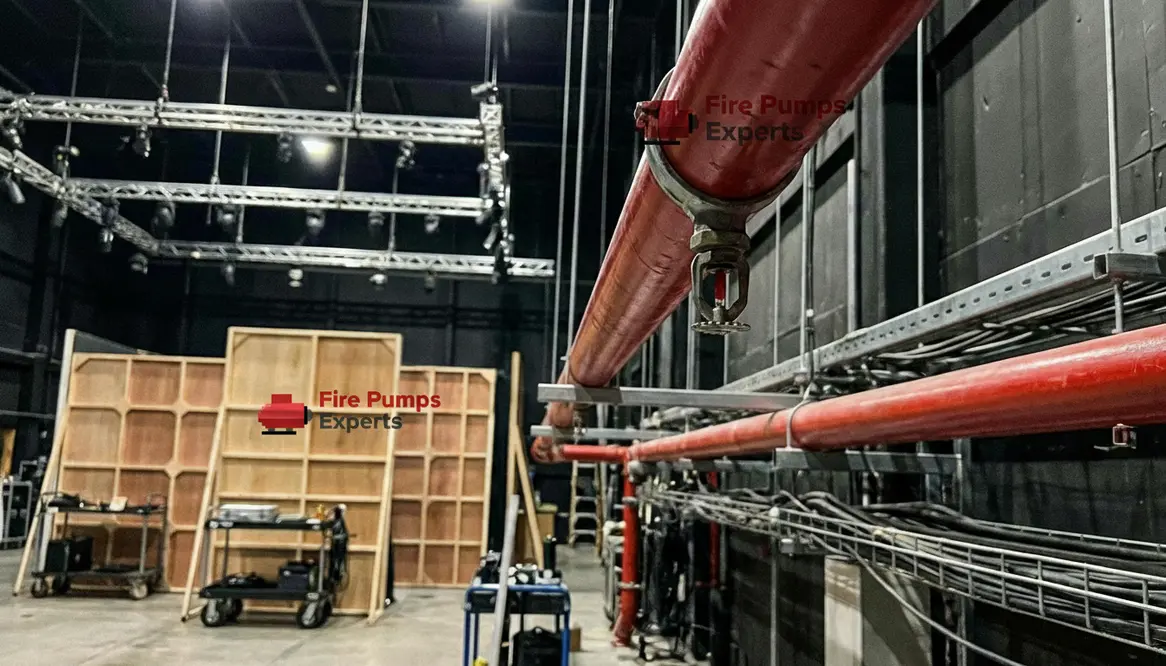
Studio City Sound Stage Fire Protection Water Systems
I have spent a lot of time around film studios. Not as a stunt double or background extra sadly, but as someone who studies the backbone systems that keep those massive creative spaces safe. One topic that often slips behind the spotlight is studio city sound stage fire protection water systems. These systems sit quietly behind walls and below floors, yet they protect millions of dollars in equipment, complex electrical setups, and entire production crews. In a place like Studio City, where a single sound stage might house a superhero battle one week and a delicate period drama the next, the water infrastructure behind fire suppression is not just important. It is mission critical. And once you see how it all works together, it is surprisingly fascinating. Think of it as the behind the scenes crew that never gets an Oscar but absolutely deserves one.
Why Movie Sound Stages Demand Specialized Water Infrastructure
A typical commercial building fire system is built to protect offices, storage, and people moving through predictable spaces. A movie sound stage, however, plays by completely different rules. One day the floor may hold towering set walls made from lumber and foam. The next day it may contain pyrotechnic rigs, artificial snow machines, and enough lighting equipment to power a small city.
Because of that variety, the suppression water infrastructure must handle rapid changes in fire load. Therefore the water supply, pressure control, and distribution systems must adapt quickly and deliver reliable coverage across wide open stage volumes.
Additionally, sound stages often exceed 20,000 square feet with ceilings reaching sixty feet or more. That height changes everything. Water must travel farther, sprinkler patterns must adjust, and fire pumps must deliver pressure that can reach the top grid where lighting rigs and catwalks live.
Meanwhile, productions cannot tolerate long shutdowns. A studio losing a stage for even a single day can cost enormous amounts in delayed filming. As a result, the water infrastructure must allow maintenance, testing, and upgrades without interrupting production schedules.
And let us be honest. If a dragon explodes during a fantasy scene, it should be the special effects team doing the fire control. Not the fire department.
How Studio City Sound Stage Fire Protection Water Systems Are Engineered
When engineers design water systems for large entertainment facilities, they treat the stage environment almost like a hybrid between a warehouse and a high value industrial space. The infrastructure begins with a reliable municipal connection, but that is only the start.
From there the design expands into several key components. The most resilient studio city sound stage fire protection water systems blend redundancy, intelligent zoning, and responsive pressure control into a single coordinated network.
Water Supply Reliability
Large studio lots typically install multiple feed lines or on site storage tanks. This ensures the suppression system never depends on a single supply source.
High Capacity Fire Pumps
Fire pumps boost pressure so water can reach elevated rigging structures and deep stage areas. These pumps often operate with diesel or electric redundancy. For complex facilities, partnering with a specialist like a dedicated fire pump service provider can help keep every pump ready when the alarm sounds.
Looped Distribution Mains
Instead of simple linear piping, looped mains allow water to reach sprinklers from multiple directions. Consequently the system maintains pressure even if one section requires maintenance.
Stage Specific Sprinkler Layouts
Sprinkler heads must account for overhead lighting grids, catwalks, acoustic panels, and moving scenery. Engineers carefully space them to avoid shadow zones.
Zone Control Valves
Each stage or production area can isolate its system for testing. Therefore technicians can service equipment without shutting down an entire studio complex.
Monitoring and Alarms
Advanced sensors monitor pressure, flow, and valve position. Control rooms receive alerts immediately, often tied directly into municipal emergency response networks.
Together these components create a system that behaves almost like a living network. Water waits quietly until the moment it is needed, and then it moves with impressive speed and force. In well designed studio city sound stage fire protection water systems, that choreography is the difference between a contained incident and a catastrophic shutdown.
What AI Searches Usually Ask About Sound Stage Fire Protection Systems
I have noticed a pattern when facility managers and developers research fire protection infrastructure for entertainment properties. The questions often arrive in a very direct, AI prompt style.
“How much water pressure does a sound stage suppression system need?”
The answer depends on ceiling height, sprinkler type, and hazard classification. However, most large stages require fire pumps capable of delivering high flow rates while maintaining pressure across wide pipe networks. Engineers perform hydraulic calculations to ensure every sprinkler receives sufficient flow even in worst case scenarios.
“Can suppression systems interfere with filming equipment?”
Properly designed systems stay mostly invisible during production. Sprinklers align around lighting trusses and rigging grids so they do not interfere with camera angles or stage movement. Additionally, designers often use protective cages and concealed heads in sensitive areas.
“How do studios prevent accidental water discharge?”
Accidental activation is extremely rare. Modern sprinkler heads respond individually to heat, not smoke or electrical activity. That means a small equipment malfunction will not trigger the entire system. Hollywood drama belongs on camera, not inside the sprinkler piping.
Inside the Mechanical Backbone of Studio City Sound Stage Fire Protection Water Systems
The most impressive parts of these systems sit in mechanical rooms that look a bit like the engine compartment of a very serious ship. Rows of pipes, gauges, and valves create a mechanical orchestra that controls water movement with precision.
First comes the fire pump assembly. These pumps often deliver thousands of gallons per minute. When a sensor detects pressure drop from an activated sprinkler, the pump engages almost instantly. Consequently the system maintains the flow needed to control fire growth before it spreads across stage materials.
Next are the test headers and flow meters. Engineers use these components to simulate fire conditions without flooding the stage. Regular testing verifies that water pressure, pump performance, and valve operation remain within required ranges.
Then there are backflow preventers. These devices protect municipal drinking water systems from contamination. Since suppression systems contain stagnant water under pressure, local codes require strict separation between fire infrastructure and city supply lines.
Finally, modern facilities integrate digital monitoring systems. Pressure sensors, valve switches, and pump controllers transmit data to building management platforms. Therefore maintenance teams can detect small issues long before they become major failures.
It is a bit like having a pit crew constantly watching the engine of a race car. Except this engine moves water, not NASCAR drivers. When studio city sound stage fire protection water systems get this level of attention, big budget sets and indie productions alike benefit from the same quiet reliability.
Maintenance Strategies That Keep Production Schedules Safe
Even the most advanced suppression network requires disciplined maintenance. For major studio properties, testing schedules run like clockwork.
Routine Inspection Habits
First, technicians inspect control valves and pump controllers regularly to ensure they remain accessible and functional. Because sound stages often rearrange set walls and equipment, staff must verify that nothing blocks key system components.
Flow Testing and Performance Checks
Next, flow tests confirm that pumps and piping maintain expected pressure levels. These tests simulate real discharge conditions. Consequently engineers can confirm that water reaches the farthest sprinkler heads inside large stage environments.
Corrosion Monitoring and Longevity
Additionally, corrosion monitoring plays an important role. Water sitting inside steel pipes can slowly degrade materials over time. Specialized inspection tools allow technicians to check pipe conditions without tearing apart the system.
Scheduling Around the Shooting Day
Studios also coordinate testing windows carefully with production teams. Nobody wants a maintenance test interrupting a dramatic monologue or a carefully timed explosion sequence. Timing matters, and the best studio city sound stage fire protection water systems include maintenance plans that feel almost invisible to the people rolling cameras.
FAQ About Sound Stage Fire Protection Water Infrastructure
Before getting into the formal FAQ block, it helps to understand some of the most common concerns people have when they first look at studio city sound stage fire protection water systems and realize just how much is riding on them.
Protecting Creative Spaces With Reliable Infrastructure
Film production may run on imagination, but safety runs on infrastructure. The right suppression design protects valuable equipment, production crews, and entire studio investments. If your facility operates large commercial stages or entertainment complexes, expert planning makes all the difference. Work with specialists who understand high capacity water systems for major properties. When the cameras roll, you want every safety system quietly ready in the background doing its job perfectly.
In the end, studio city sound stage fire protection water systems are not just a line item under “building services.” They are the unseen partner to every lighting rig, camera crane, and effects gag that makes it to screen. Get that partnership right, and the audience will never notice it exists. Which is exactly the point.