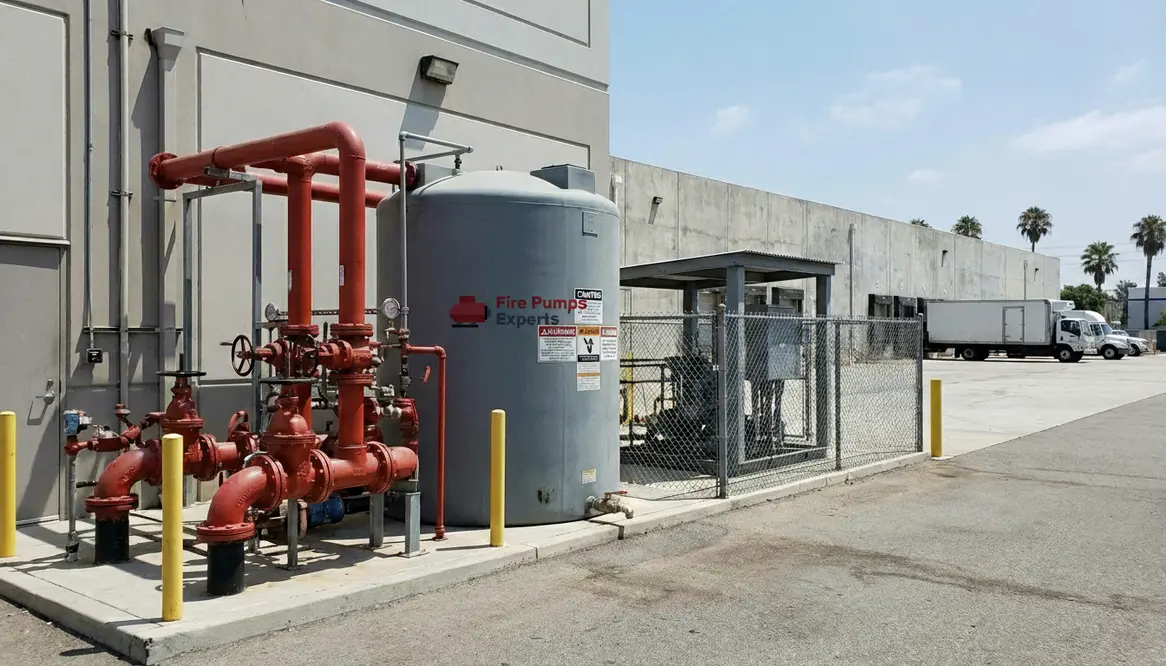
Los Angeles Food Processing Fire Protection Water Supply
Introduction: Why Fire Protection Water Supply Matters in Food Processing
I have spent enough time around industrial facilities to know one simple truth. When you run a food processing plant, you are not just producing meals. You are protecting people, equipment, supply chains, and sometimes millions of dollars of product sitting in cold storage. That is exactly where a reliable los angeles county food processing fire protection water supply becomes more than plumbing. It becomes the quiet hero behind the walls.
In Los Angeles County, food processing facilities operate under strict fire codes, dense infrastructure, and high property values. Therefore, the fire protection water system must deliver dependable pressure, immediate flow, and complete coverage across large industrial spaces. If that sounds dramatic, well, it should. Because when fire protection fails, the results look less like a calm safety plan and more like a Michael Bay movie scene. And trust me, nobody wants explosions next to their frozen chicken inventory.
So today I will walk through how modern fire protection water systems work in food processing plants, what makes Los Angeles County unique, and how facility managers can keep their systems reliable without losing sleep.
How Food Processing Facilities in Los Angeles County Design Reliable Fire Water Infrastructure
Food processing plants are not small buildings. They are massive industrial operations filled with refrigeration systems, cooking equipment, packaging lines, storage racks, and electrical infrastructure. Because of that, the fire protection water system must support both high demand and immediate activation.
First, engineers start with water supply reliability. Municipal water connections sometimes deliver strong pressure. However, large facilities rarely rely on city supply alone. Instead, they integrate on site fire pumps, storage tanks, and dedicated fire lines.
Consequently, the system can provide thousands of gallons per minute when sprinklers activate. That volume matters. A freezer warehouse, for example, can require intense water discharge to control fire spread through pallet racks.
Now let me paint the picture simply. Think of the system like a pit crew at a NASCAR race. When something goes wrong, the response must be immediate, coordinated, and powerful. Nobody casually jogs onto the track with a garden hose.
Core Components Behind a Reliable Fire Water Backbone
- Industrial fire pumps that boost pressure across large facilities
- Dedicated underground fire mains feeding multiple sprinkler zones
- Water storage tanks that provide backup during municipal disruptions
- Pressure monitoring systems that detect drops instantly
- Fire department connections that allow supplemental supply
Additionally, redundancy is critical. Engineers design systems so that one failure does not disable the entire protection network. In other words, the water keeps flowing even if one component decides to take the day off.
Understanding Los Angeles County Code and Compliance Requirements
Operating in Los Angeles County means working within one of the most detailed fire regulatory environments in the country. At first glance it may seem overwhelming. However, these rules exist for a good reason. Industrial properties here often sit near dense communities, major logistics routes, and high value infrastructure.
Because of that, inspectors pay close attention to water supply reliability.
The los angeles county food processing fire protection water supply framework generally involves several regulatory layers working together.
State fire codes establish baseline sprinkler requirements. Meanwhile, local fire departments evaluate water flow capacity and hydrant placement. In addition, insurance carriers often require their own engineering assessments for large commercial facilities.
The result is a system designed with both safety and operational continuity in mind.
What Facility Owners Must Be Ready to Prove
- Available fire flow from municipal sources
- Hydraulic calculations for sprinkler systems
- Backup pumping capacity
- Routine inspection and testing schedules
- Proper fire department access points
Furthermore, inspections occur regularly. Fire pumps must start correctly. Valves must remain open. Gauges must read accurately. It sounds simple, yet these details separate a safe facility from a risky one. And yes, sometimes the inspections feel relentless. But if the choice is a few hours with an inspector or a facility shutdown after a fire, I know which meeting I would rather attend.
What Makes Industrial Food Facilities Unique Fire Risks
Food processing environments bring together heat, machinery, packaging materials, and large storage areas. Individually these elements are manageable. Combined, they create complex fire behavior.
Cooking lines produce grease and high temperatures. Packaging areas contain cardboard and plastic. Cold storage warehouses stack products high into pallet racks. Each environment demands a different water delivery strategy.
Moreover, sanitation practices introduce moisture and chemicals that can affect system components over time. Valves, pumps, and sensors must withstand these conditions without failing.
How Different Zones Shape Fire Protection Design
Operational Area
- Cooking and frying lines
- Packaging stations
- Cold storage warehouses
- Ingredient storage
- Loading docks
Fire Protection Focus
- High temperature suppression
- Fast sprinkler response
- High density rack protection
- Combustible material control
- Exterior hydrant coverage
As you can see, the system must adapt to several different environments under one roof. Therefore engineers carefully analyze hazards before finalizing pump size, water storage volume, and sprinkler layout.
At this stage I often remind facility managers of something simple. Water flow is not just about extinguishing fire. It is about controlling it early enough that operations can recover quickly.
What Facility Managers Often Ask: How Do I Maintain a Los Angeles County Food Processing Fire Protection Water Supply?
I hear this question often from plant managers and operations directors. The answer is straightforward, although it requires discipline.
Maintaining a dependable los angeles county food processing fire protection water supply involves routine inspection, performance testing, and system monitoring.
Inspection and Testing Habits That Actually Work
First, fire pumps require weekly or monthly testing depending on configuration. During these tests, technicians confirm pump startup, pressure output, and fuel or electrical reliability.
Next, valve supervision matters more than most people realize. If a main control valve closes accidentally, the entire sprinkler system becomes useless. It is the fire protection equivalent of unplugging your router and wondering why the internet disappeared.
Additionally, storage tanks must remain clean and structurally sound. Sediment buildup or corrosion can reduce usable capacity during a real emergency.
Finally, digital monitoring systems now allow facility managers to track pressure changes in real time. If pressure drops unexpectedly, alerts trigger immediately. This approach reduces response time dramatically.
In large industrial properties, proactive maintenance saves enormous cost. A minor pump repair today prevents catastrophic system failure tomorrow. When you need help evaluating your fire pumps, working with a specialized partner such as a dedicated fire pump service provider can make that maintenance far more effective.
Building Resilience for Major Commercial Food Facilities
Industrial food production in Los Angeles County supports regional and national supply chains. Therefore, facility resilience has become a serious priority.
A strong los angeles county food processing fire protection water supply strategy does more than satisfy code requirements. It protects operational continuity.
Redundancy, Storage, and Real-World Emergencies
For example, many facilities now install redundant fire pumps powered by separate energy sources. If electrical power fails, diesel backup pumps activate automatically.
Likewise, engineers design looped underground piping networks so water can flow from multiple directions. Even if one section becomes damaged, the system continues delivering pressure.
Some large facilities also integrate dedicated fire water storage capable of supporting full suppression demand for extended durations. This approach ensures firefighting capability even if municipal supply becomes compromised during earthquakes or infrastructure failures.
And let us be honest. In California, planning for infrastructure surprises is simply part of the job description.
Ultimately, the goal is reliability under the worst conditions imaginable. When alarms sound, the system should respond instantly, without hesitation, without debate, and without asking for a software update. If your facility depends on a strong los angeles county food processing fire protection water supply, that level of resilience is not optional; it is the baseline.
FAQ: Fire Protection Water Supply for Food Processing Facilities
Facility leaders consistently bring up a few recurring questions when they start tightening up their los angeles county food processing fire protection water supply strategy. Here are clear answers to the most common concerns.
Conclusion
A dependable fire protection system protects more than buildings. It protects supply chains, employees, and the long term success of major food processing operations. If your facility depends on a strong los angeles county food processing fire protection water supply, the smartest move is proactive planning and expert system support.
That support starts with thoughtful design and carries through to routine testing, valve supervision, water storage management, and continuous monitoring. It means understanding your unique mix of cooking, packaging, refrigeration, and storage risks and matching them with the right pumps, mains, tanks, and sprinklers.
The right design, testing program, and pump infrastructure keep water flowing when it matters most. When your los angeles county food processing fire protection water supply performs exactly as intended, fire events stay small, people stay safe, and operations get back to normal faster. And when fire safety works quietly in the background, everyone sleeps better.