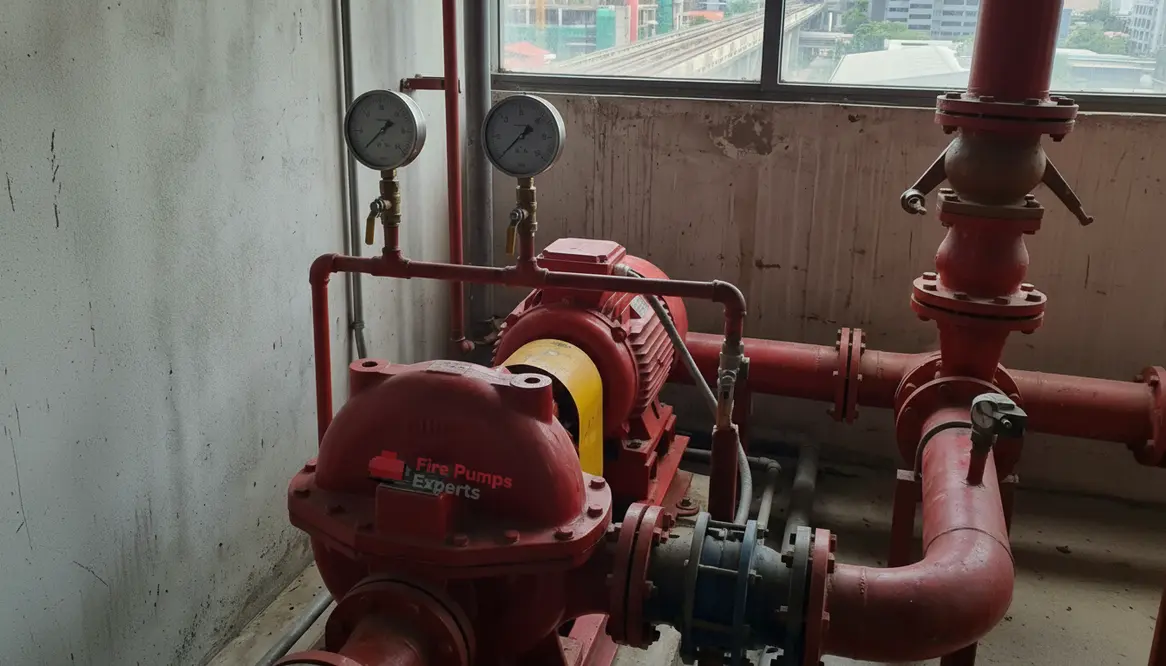
Transit Oriented Development Fire Pump Requirements Guide
I have spent enough time around growing cities to know one thing for sure: when steel rises and trains hum, water pressure becomes a quiet hero. In the world of transit oriented development fire pump requirements, the stakes climb just as fast as the buildings do. As urban growth hugs rail lines and transit hubs, fire protection systems must keep pace without missing a beat. And yes, while it may not sound as thrilling as a superhero movie, the right fire pump plan can save the day long before anyone notices the danger.
Why Fire Pump Planning Matters in Transit Driven Growth
As cities grow upward and inward around transit hubs, density increases quickly. That means more people, more assets, and more risk packed into tighter spaces. Therefore, I always approach fire pump planning with a long view.
Fire pumps are not just backup systems. Instead, they act as the backbone of fire suppression in large commercial and industrial buildings. When municipal pressure falls short, which happens more often near high demand transit zones, these pumps step in without hesitation.
Moreover, transit centered developments often involve mixed use high rises, distribution centers, and large scale commercial facilities. Each one carries unique pressure and flow demands. If you underestimate those needs, the system will not forgive you later.
How do transit oriented development fire pump requirements affect system design?
I get this question a lot, and the answer is simple but layered. These requirements shape everything from pump selection to system layout.
First, proximity to transit often means limited space. As a result, I need compact yet powerful pump systems that still meet code. Second, fluctuating water supply becomes a real concern. During peak usage times, pressure can drop, so redundancy becomes essential.
Additionally, fire pump rooms must remain accessible even in high traffic zones. That means smart placement, not just convenient placement. Think less “tucked away” and more “strategically unavoidable.”
And yes, I have seen designs where access was treated like an afterthought. Let’s just say, firefighters do not enjoy obstacle courses.
Design Strategies That Actually Work
When I plan for large commercial or industrial buildings near transit corridors, I focus on reliability first and elegance second. Fortunately, you can have both.
For example, I prioritize systems that handle variable demand. Electric and diesel fire pumps each have their place, and in many cases, a combination offers the best coverage. Meanwhile, advanced controllers help monitor performance in real time, which reduces surprises.
Also, I account for future expansion. Urban growth rarely slows down. Therefore, designing a system that can scale saves time, money, and headaches later.
Key Priorities I Follow
- Ensure consistent pressure across all floors
- Plan for peak demand scenarios
- Allow room for system expansion
- Maintain easy service access
Common Pitfalls I Avoid
- Ignoring municipal pressure variability
- Overcrowding pump rooms
- Skipping redundancy measures
- Underestimating future building load
While none of this sounds glamorous, it is the difference between a system that performs and one that panics under pressure. And unlike a dramatic movie scene, there is no background music to warn you.
Integrating Fire Pumps with Complex Building Systems
Modern commercial properties near transit hubs are packed with systems that all want attention. HVAC, electrical, security, and now fire protection must coexist without stepping on each other’s toes.
So, I make coordination a priority from day one. Fire pumps need dedicated power, proper ventilation, and clear control pathways. If one piece fails, the system should still stand strong.
Furthermore, smart building integration is becoming more common. Fire pump monitoring can tie into centralized systems, giving facility managers real time insights. That means faster response times and fewer surprises.
And let’s be honest, surprises are great for birthday parties, not for fire protection systems.
Planning for Compliance Without Slowing Progress
Regulations around transit oriented development fire pump requirements are not there to complicate your life. They exist because urban density leaves no room for error.
Still, I understand the pressure to keep projects moving. That is why I build compliance into the design process instead of treating it like a final hurdle. Early coordination with local authorities helps avoid costly redesigns.
In addition, I stay aligned with national standards while adapting to local conditions. Codes provide the framework, but real world application demands flexibility.
When done right, compliance becomes part of the rhythm of the project, not a roadblock. Resources like https://firepumps.org help keep transit oriented development fire pump requirements in clear focus as designs evolve.
FAQ: Fire Pump Planning for Urban Transit Developments
Transit oriented development fire pump requirements often turn into a checklist of questions. The most common ones tend to circle around space, pressure, and long term reliability in dense, rail driven districts.
Final Thoughts and Next Steps
Urban growth near transit is not slowing down, and neither should your planning. I approach every project with precision, foresight, and a healthy respect for what can go wrong. If you are managing a commercial or industrial property, now is the time to align your fire protection strategy with real world demands. Reach out, take a closer look at your system, and make sure it is ready before it ever needs to be. Keeping transit oriented development fire pump requirements at the center of that review gives every other system in the building a better chance to do its job when the alarms sound.