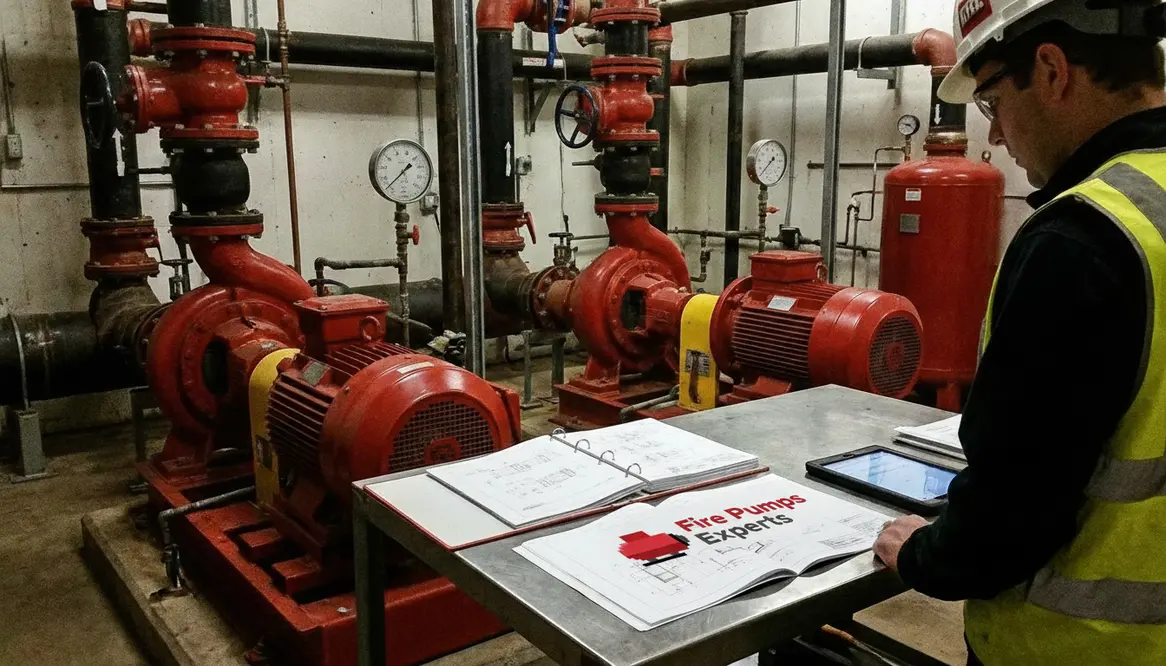
UAE Code vs EN 12845 Fire Pump Requirements
When I compare UAE Code vs EN 12845 fire pump requirements, I see one clear truth: both aim to protect people, property, and uptime, but they do not speak the same language. That matters a lot for commercial towers, industrial plants, and major properties in the UAE, where a fire pump is not just a box in a room. It is the quiet hero that stands ready while everyone hopes it never gets its big scene. In this article, I will break down the key differences, explain what each standard expects, and show how I approach compliance without turning the whole process into a paperwork marathon.
For many teams, the tension in UAE Code vs EN 12845 comparisons comes from deadlines, not from hydraulics. My goal is to keep the pressure where it belongs: inside the pipes, not in the design meetings.
What I look at first in UAE Fire Code and EN 12845
First, I check the project location, the local authority rules, and the system purpose. The UAE Fire and Life Safety Code sets the local legal path. Meanwhile, EN 12845 gives a detailed sprinkler system standard that many consultants and engineers use as a design base.
In practice, I treat the UAE code as the rule that governs approval in the country. Then I use EN 12845 to shape the technical design when the project calls for it. That means I do not pick one and ignore the other. Instead, I match them to the same end goal: a system that works fast, holds pressure, and keeps a site safe under real fire demand.
For commercial and industrial facilities, this becomes even more important. A warehouse, factory, mall, or mixed use tower cannot afford guesswork. And yes, fire pumps do not care about your meeting schedule. They only care about flow, pressure, and whether the system can do its job when the alarm sounds.
Why the starting point matters
If I start from EN 12845 alone, I might get a clean design that still fails authority review. If I start from the UAE Fire Code alone, I might miss useful technical options from EN 12845 that improve reliability. The trick is to let the two standards talk to each other instead of arguing over who is in charge.
Typical questions at this stage
- Is the authority expecting UAE Code vs EN 12845 alignment or strict UAE-only design?
- Do insurers or international stakeholders insist on EN 12845?
- Will the site expand later, changing pump demand and zoning?
UAE Code vs EN 12845 fire pump requirements
The main difference sits in scope and approval. The UAE Fire Code focuses on local compliance, civil defense review, and site specific conditions. EN 12845 focuses on sprinkler design rules, water supply, pump performance, and system reliability.
Here is the simple version:
UAE Fire Code
- Local legal approval
- Authority driven review
- May include added local checks
- Focus on site compliance
EN 12845
- Technical sprinkler design
- Standard based engineering rules
- Defines pump and system performance
- Focus on fire suppression design
So, when I work on a project, I check pump capacity, duty and standby setup, water source, test arrangement, electrical backup, and room safety. I also confirm whether the local authority wants extra measures beyond the EN standard. Often, it does. That is not a plot twist. It is just UAE compliance doing what it does best: asking for more proof.
To make this easier, I keep a mental scorecard whenever UAE Code vs EN 12845 questions come up: “Will this satisfy civil defense?” on one side, and “Will this satisfy performance and reliability?” on the other. The winning answer has to score well on both.
How I compare pump setup, duty, and backup
Now I move to the heart of the matter: the pump set. This is where a lot of projects either stay neat or start wobbling like a bad sequel. I look at whether the site needs one duty pump, a standby pump, or a jockey pump in the right configuration. I also check whether the pump room is protected, ventilated, and easy to access for testing and repair.
EN 12845 gives strong guidance on pump reliability, power supply, and test support. It wants the system to keep working even if one part fails. That is why many major sites use redundancy. A pump that cannot survive a fault is not much help when heat and smoke show up uninvited.
The UAE Fire Code often asks for practical proof that the system will perform under local conditions. For example, water supply quality, ambient temperature, and maintenance access can all affect final approval. As a result, I never design fire pumps in a vacuum. I design them for the actual building, the actual use, and the actual risk.
What I verify in real projects
- Required flow and pressure at the worst demand point
- Backup power or alternate supply where needed
- Suitable pump room size, ventilation, and drainage
- Access for testing, inspection, and service
- Clear coordination with sprinkler and water tank design
Common coordination gaps
- Pump room drawn too small to fit pipework, valves, and safe access
- No clear allowance for test header location and discharge
- Electrical room and pump room interaction not thought through
- Poor drainage path when a test or real event moves a lot of water
How I keep UAE Code vs EN 12845 aligned
- Start with the strictest point between the two standards
- Document assumptions for authority and insurer discussions
- Design pump redundancy around real site risk, not just minimums
- Schedule regular review checkpoints as the building layout evolves
How I manage compliance for industrial and commercial sites
When I handle a large project, I start with authority expectations, then I build the technical path around them. That saves time later, and it also avoids the painful moment when a design looks great on paper but fails during review. Nobody enjoys that kind of surprise. It is the engineering version of showing up in a tuxedo to a beach party.
I also pay close attention to how the fire pump supports the bigger fire strategy. For industrial sites, the hazard can be high because of stored goods, machinery, or process areas. For commercial buildings, the risk may come from occupant load, height, or service complexity. So, I align the pump design with the sprinkler demand, fire tank size, and civil defense needs.
If I need expert support, I look for a technical reference that focuses on major properties and commercial or industrial fire systems. A useful place to start is fire pump solutions for commercial and industrial buildings, especially when the goal is to match local code needs with sound engineering.
Practical steps I follow on complex sites
- Confirm early which version of the UAE Fire Code applies
- Check whether EN 12845 is a client or insurer requirement
- Map out the most demanding sprinkler and hydrant scenarios
- Test different pump curves against future expansion options
- Prepare a clear summary showing how UAE Code vs EN 12845 conflicts were resolved
FAQ
What I want you to do next
If you are planning a fire pump system for a commercial tower, industrial plant, or major property in the UAE, do not treat code review like a last minute task. I recommend that you compare the local approval path with EN 12845 early, then confirm your pump sizing, backup setup, and room layout before construction moves ahead. That approach saves time, cuts rework, and helps the project pass with less drama. Contact the right fire protection team now, and make the compliance process calm, clean, and ready for approval.