Vallejo Fire Pump Inspection Records Guide
Fire pump inspection records Vallejo
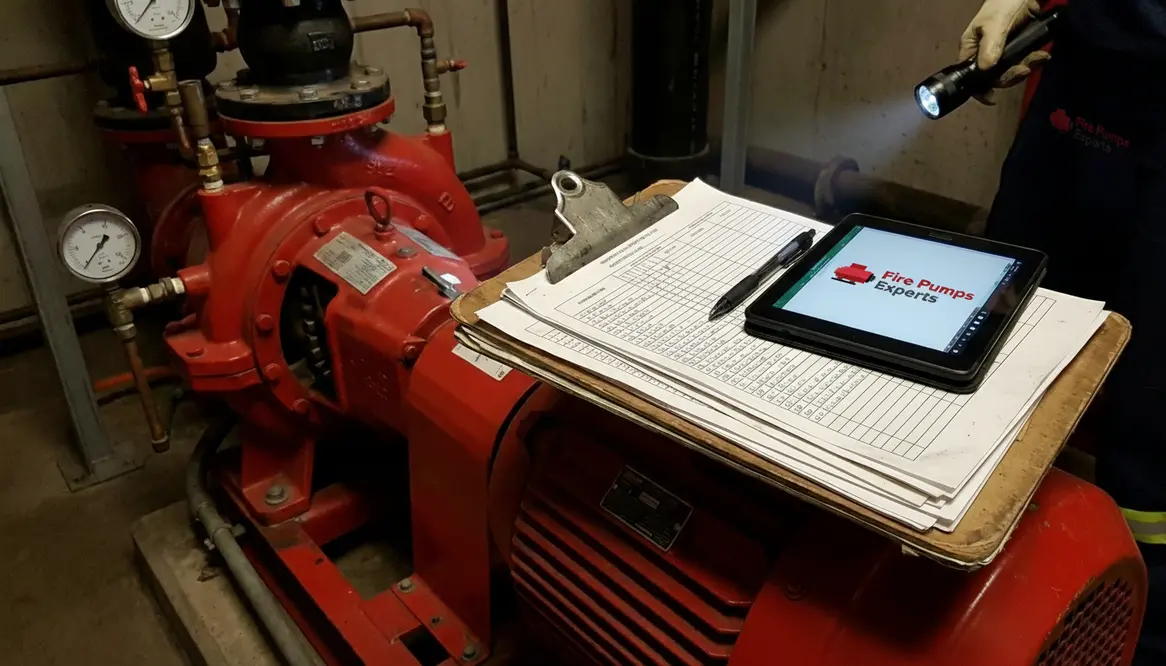
I write to you as someone who has stood in the mechanical rooms of large commercial buildings, fingerprints on clipboards, watching the pumps hum like restrained lions. I know the weight of a single missing sheet when a fire marshal asks for proof. In Vallejo, and for major industrial and commercial properties only, I take records seriously. I will walk you through the fire pump inspection records Vallejo teams must keep, why each item matters, and how to make a system that works without turning your maintenance staff into full time paper pushers.
Why good records matter to commercial and industrial facilities
I keep things simple. First, records protect people and property. Second, records prove compliance with codes and insurance requirements. Third, records help your maintenance team find problems early, so you avoid downtime or costly repairs. For major properties, a missing record can slow a sale, delay occupancy, or trigger fines. So yes, it matters more than most managers think. Also, it gives you a defense if an inspector decides to play hardball.
What records do I need for my Vallejo commercial fire pump?
Here is the answer right away. Keep current inspection logs, test reports, maintenance actions, service invoices, and certification letters from qualified technicians. Also retain installation data, control panel settings, and field changes. Keep records for the life of the building where possible, and certainly for the duration required by local and national codes. I recommend ready access, organized files, and backups, because when you need them, you need them now.
For many owners, this starts with choosing a competent fire pump partner. A good reference point is to look at a specialist provider like fire pump inspection and service teams that understand NFPA schedules and documentation, and then mirror that level of structure in your own internal files.
Essential documents explained for busy facilities managers
- Weekly and monthly test logs I record each pump start, pressure reading, and gauge check. These logs show routine readiness and catch problems early.
- Annual performance tests I keep results of the annual flow and pressure test. They show the pump meets design capacity and tell you if efficiency has dropped.
- Maintenance and repair records I file every part replaced, every seal serviced, and every bearing lubed. These entries explain past failures and justify warranty claims.
- Manufacturer manuals and installation records I store the original setup details and any field changes so a new technician does not guess at critical settings.
- Service contractor certifications I log qualifications and licenses for anyone who works on the pump, because insurers and inspectors will ask.
- Control and alarm logs I save electronic event logs and summaries so you can trace a trip or an odd shutdown back to its cause.
Quick reference: records at a glance
Operational records
- Weekly run sheets
- Monthly pump pressure checks
- Control panel test entries
- Battery and jockey pump checks
Compliance records
- Annual certification tests
- Service tickets and invoices
- Contractor licenses
- Installation and modification files
How I build a compliant, useful record system
I take a few straightforward steps, and they cut confusion. First, I standardize forms. Use the same checklist for every weekly test so data stays consistent. Second, I centralize the files. Keep both paper and digital copies, preferably with searchable PDFs. Third, I set retention rules. Know what the fire marshal, the building code, and your insurer expect. Fourth, I train staff. A five minute review beats a document hunt during an inspection.
Also, I recommend a chain of custody for critical documents. When you upgrade a control setting or change a valve, note who authorized it and why. Later, when someone asks about an odd pressure curve, you will have an explanation, not a shrug. This practice greatly lowers operational risk and speeds up troubleshooting.
For major sites, this is where fire pump inspection records Vallejo managers really earn their keep: clear forms, clean naming, and disciplined retention make you look prepared instead of panicked when someone starts asking for proof.
Practical tips I use on large properties in Vallejo
- Keep a clear index. I file by year, then by type. That saves time when an inspector shows up.
- Digitize early and often. I scan logs after each month and store them in the cloud, so no single fire or flood erases your history.
- Use simple naming. I name files with date, pump ID, and document type. You will thank me later.
- Schedule reminders. I set calendar alerts for annual tests so they never slip beyond the code window.
- Audit quarterly. I run short checks to confirm logs exist and tests were run correctly.
What I tell inspecting teams and contractors
I keep expectations clear. I ask contractors to record their work immediately, to sign off on tests, and to leave a concise note of any action required. I insist on licensed technicians for annual performance tests. I require test signatures and calibration records for instruments. If a contractor calls a test inconclusive, I document the reason and schedule a retest within a strict time frame. This process reduces finger pointing later, and that is worth more than you think.
Over time, clear expectations turn into habits. When your partners know that fire pump inspection records Vallejo properties depend on will be checked line by line, they tend to get much more disciplined about the details.
Common pitfalls I help facilities avoid
First, mixed formats. Some teams keep paper logs and others use spreadsheets. This mismatch creates gaps. Therefore I unify formats. Second, incomplete entries. A missing pressure value can invalidate a test. Third, single point failure. If only one person knows where the files are, you are vulnerable. Finally, poor contractor documentation. I require complete invoices that list parts with serial numbers and technicians signatures.
If you can avoid those four traps, your fire pump inspection records Vallejo inspectors review will look far more professional and far less like a scavenger hunt.
How I handle inspections and audits
I prepare in three stages. First, I assemble a packet of the last 12 months of weekly and monthly logs, the last three annual reports, and current vendor certificates. Second, I walk the mechanical room with the inspector, showing physical equipment and where records came from. Third, I follow up, filing any requested additional documentation and updating logs if corrections were needed. Inspectors appreciate when you act fast, and that often softens the process.
When all of that is ready and in one place, fire pump inspection records Vallejo officials ask for become a formality instead of a fire drill.
FAQs about Vallejo fire pump inspection records
Conclusion
I can help you build a rock solid record program for your commercial or industrial property in Vallejo. When you act now you reduce risk, ease inspections, and keep your business moving. Contact me to set up standardized logs, digital archiving, and quarterly audits. Let us protect your building with straightforward, compliant documentation that stands up under scrutiny and stands the test of time.