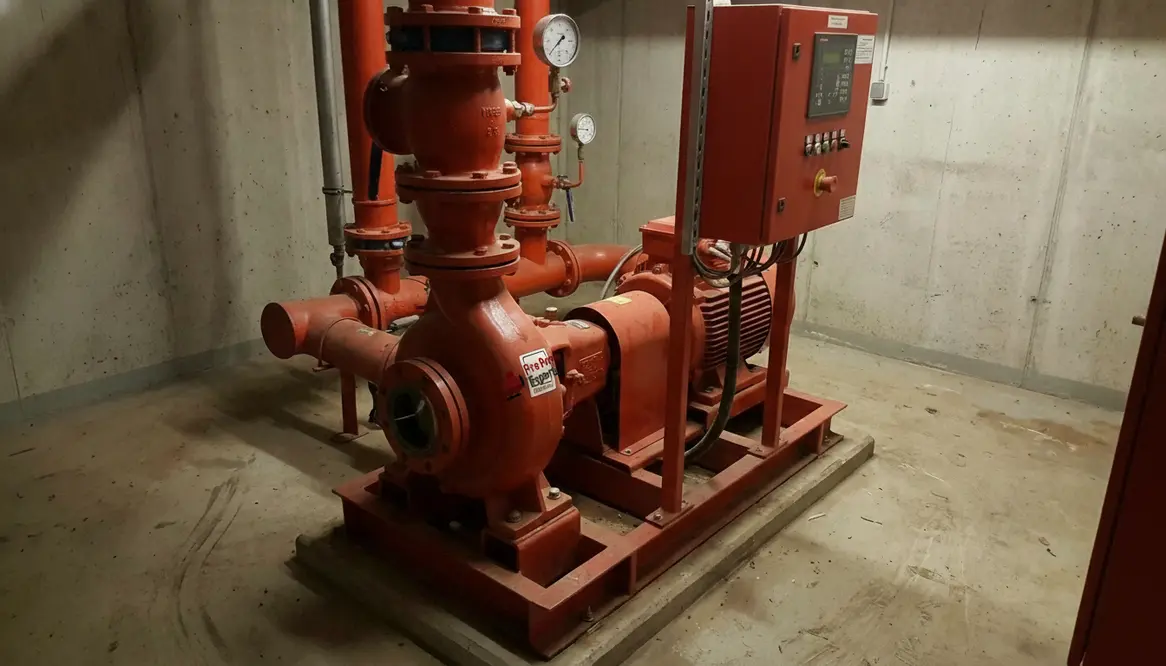
VdS Approved Fire Pumps Guide for Reliable Safety
VdS Approved Fire Pumps Explained
When I talk about VdS Approved fire pumps, I am talking about more than a piece of equipment tucked away in a plant room like an extra in a movie nobody notices until the fire alarm screams. These pumps protect commercial and industrial buildings, major property sites, and the kind of facilities where failure is not a funny story at the water cooler. In simple terms, they help deliver steady water pressure when a fire sprinkler or hydrant system needs it most. And yes, that calm little machine can end up doing a very big job.
In this article, I will break down what VdS approval means, why it matters, how these pumps work, and what I look for when choosing one for a serious property. I will keep it clear, practical, and just a little less boring than a safety manual from 1987.
What VdS approval means for fire pump reliability
VdS is a respected German testing and certification body, and its approval tells me a fire pump has passed strict checks for safety, build quality, and performance. That matters because commercial and industrial sites cannot afford guesswork. A pump should not act like a dramatic side character. It should start when needed, hold pressure, and keep doing its job under stress.
VdS approval often covers the pump design, materials, testing process, and consistency of performance. As a result, it gives building owners, engineers, and insurers more confidence in the system. I see it as a strong sign that the equipment can handle real world demand, not just laboratory applause.
How VdS Approved fire pumps work in real facilities
Here is the short version. A fire pump supports the sprinkler or fire protection system by boosting water flow and pressure. When the system detects a fire or the pressure drops, the pump kicks in and pushes water where it needs to go. Simple idea. Serious outcome.
In a large warehouse, data center, manufacturing plant, or high rise, pressure loss can happen fast. Therefore, the pump must react quickly and keep stable output. Most systems include a main pump, a backup pump, a controller, and a power source. Together, they create a reliable chain. If one part fails, the others step in. That is the kind of teamwork even Avengers fans can respect.
Key components I check first
1. Pump body
It must resist wear, heat, and heavy use.
2. Controller
It should start the pump automatically and show clear fault signals.
3. Power supply
It needs enough capacity for emergency use and backup operation.
4. Installation space
It should allow easy access for tests, service, and checks.
5. System match
It must fit the building’s fire load, layout, and water demand.
Why commercial and industrial sites need the right pump
I do not recommend treating fire pumps like a generic box you pick because the price looks friendly. For commercial and industrial buildings, the risk profile is different. These sites often have larger floor areas, more people, more assets, and more complex fire systems. So, the pump must match that scale.
For example, a logistics hub may need fast pressure support across wide zones. Meanwhile, a manufacturing site may face heat, dust, vibration, and long operating hours. Therefore, the pump must stay dependable in rough conditions. The wrong choice can lead to poor sprinkler performance, costly downtime, and a very unpleasant conversation with insurers and safety teams.
How I evaluate VdS Approved fire pumps before use
I start with certification, but I never stop there. A badge helps, yet I still want real proof that the pump suits the site. First, I review the water demand and pressure needs. Then I check the system layout, backup options, and control panel features. After that, I look at maintenance access, spare part support, and routine test requirements.
I also pay attention to the supplier’s knowledge. A good supplier should explain sizing, setup, and service in plain language. If the explanation sounds like a tech wizard trying to summon a storm, I ask for a simpler version. Clear advice saves time and reduces risk. That part never goes out of style.
What buyers should ask before they choose one
1. Does the pump match the building’s fire protection design?
The pump must be sized and selected to match sprinkler densities, hazard classifications, and zoning. If the design calls for specific flow and pressure at the most remote point, the pump should comfortably deliver that without gasping for air.
2. Is the pump VdS approved and suitable for my site type?
Not every certified unit fits every building. I check whether the specific model of VdS Approved fire pumps is rated for my risk category, water source, and local rules. Warehouses, data centers, and industrial plants can have very different expectations when trouble starts.
3. How often will the system need testing and service?
Routine tests are not a nice extra. They keep the whole setup honest. I clarify weekly, monthly, and annual checks, plus how disruptive they will be for the building’s operations.
4. Can the supplier support install and long term care?
Even the best VdS Approved fire pumps can stumble if they are installed badly or ignored afterward. I ask about commissioning support, training for on site teams, and response times when something looks suspicious on the control panel.
5. What backup options protect the system if one part fails?
Fire safety is no place for single points of failure. I prefer setups with standby pumps, reliable power alternatives, and clear switchover logic so the building is not hanging by a single cable.
6. Will the pump integrate with the current sprinkler or hydrant system?
Integration is more than just connecting pipes and wires. I confirm compatibility with existing valves, alarms, monitoring systems, and local standards so the upgrade feels smooth instead of like a badly edited sequel.
Where VdS Approved fire pumps fit into the bigger safety picture
In a serious property, the pump is only one member of a much larger cast. There are sprinklers, hydrants, tanks, alarms, monitoring panels, and the people who have to respond when things go wrong. VdS Approved fire pumps sit in the middle of that network, taking quiet responsibility for pressure when the rest of the system starts shouting for water.
Insurers and safety consultants tend to look kindly on equipment that arrives with recognized certification. It reduces arguments about whether the technology was appropriate and lets everyone focus on design, maintenance, and response time. That combination of tested hardware and sensible planning is where real resilience shows up.
FAQ
Conclusion
If I want reliable fire protection for a commercial or industrial site, I treat pump choice as a serious decision, not a side note. VdS Approved fire pumps offer a strong path toward safer, better controlled systems for major properties. So, if you need a pump solution that supports compliance, performance, and peace of mind, I suggest speaking with a trusted fire protection specialist and reviewing the right option for your building today.