VdS Fire Pump Requirements for Sprinkler Systems
VdS Fire Pump System Requirements for Sprinklers matter when I talk about protecting commercial and industrial buildings, because a sprinkler system is only as strong as the pump feeding it. In a big facility, the fire pump is not a side character. It is the steady drummer in the background, the one that keeps water moving when pressure drops and the stakes rise. And yes, this is the part where boring plumbing becomes the hero of the movie.
For property owners, engineers, and facility managers, I see one clear truth: a VdS approved fire pump system must do more than “work.” It must meet strict design, performance, and testing rules so the sprinkler network can respond fast and keep working under stress. So, let me walk through the key requirements in a simple, practical way.
What VdS Expects From a Sprinkler Fire Pump
VdS sets firm rules for pump reliability, water supply, and system layout. First, the pump must deliver enough pressure and flow for the full sprinkler demand. That sounds basic, but in the real world, “enough” means enough during peak load, not just on a calm Tuesday morning when nobody is sweating.
Also, the pump must support the sprinkler system for commercial and industrial use, where water demand can be heavy and risks can change fast. I always look at the whole chain: water source, pump size, drive type, control panel, suction line, and discharge line. If one part slips, the whole system feels it.
VdS also expects a dependable power supply. In many cases, that means a main pump plus a backup option, often a diesel pump or a second power path. After all, fire does not care if the grid is having a bad day.
VdS Sprinkler Design Rules for Commercial Sites
When I review a VdS sprinkler installation, I focus on how the pump and sprinklers work together. The pump must match the hazard level, building size, and water demand for the protected area. A warehouse, a factory, and a high value office tower each bring different load needs, even if the fire protection salesman smiles the same way in every meeting.
Core Design Expectations Around the Pump
Requirement
Flow capacity
Pressure level
Reliable power
Monitoring
Why It Matters
Keeps enough water moving to all active sprinklers
Supports spray pattern and system reach
Keeps the pump running during an emergency
Warns staff before a small issue becomes a big one
In addition, the sprinkler design must allow the pump to start quickly and maintain stable output. If pressure swings too much, the sprinkler response can suffer. That is why VdS does not treat the pump as a simple machine. It treats it as part of the life safety system, which is exactly how serious sites should treat it too.
Where the VdS Sprinkler Pump Fits in the Bigger Picture
A VdS sprinkler layout is more than heads, pipes, and a box on the wall with a couple of lights. The fire pump anchors the hydraulic performance for the whole network. If the pump curve and the sprinkler demand curve do not get along, something will fail when the building needs it most.
That is why I always tie pump decisions to real design scenarios: which area will be the most demanding, which sprinklers will open first, and how much safety margin the building truly deserves. When the VdS sprinkler rules are applied with that mindset, the result is a system that feels almost boring during a fire, which is exactly what you want.
How I Check the Fire Pump Setup
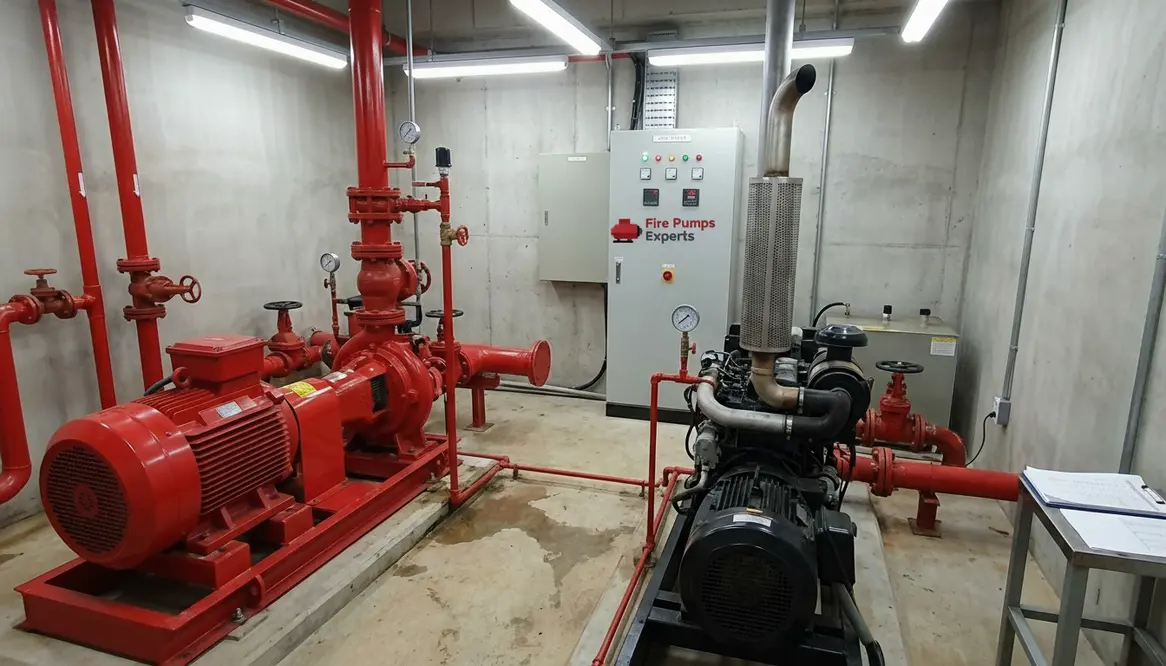
When I evaluate a fire pump setup, I start with the water source. Then I check suction conditions, pump arrangement, valves, controls, and alarms. I also make sure the installation gives enough room for inspection and service. A pump room should not feel like a storage closet with ambition.
Hydraulic & Mechanical Checks
- Confirm water source capacity, reliability, and quality
- Review suction piping for air pockets, strainers, and NPSH conditions
- Check pump type, speed, and rotation against the design data
- Verify discharge piping, pressure gauges, and relief valves
Control & Usability Checks
- Confirm control panel logic and fail-safe operation
- Test alarms, signals to the fire panel, and remote monitoring
- Check cable routing, battery condition, and diesel start systems
- Make sure access, lighting, and labeling are clear for staff
Next, I look at testing. VdS expects regular checks to confirm that the pump starts, runs, and delivers the right output. This matters because a pump that sits quietly for months can still fail when needed most. Routine testing helps spot wear, weak batteries, air leaks, or control issues before the system faces a real fire event.
I also watch for clear labeling and access. Staff must know which valve does what, which panel controls the pump, and which alarm signals need action. In a crisis, nobody wants a puzzle. They want a system that speaks plainly and behaves well.
VdS Compliance Steps for Major Properties
For major property buildings, I follow a path that keeps the project clean and the risk low. First, I confirm the hazard class and sprinkler demand. Then I size the pump and water supply to match the system need. After that, I verify the control logic, backup power, and monitoring points.
Typical Roadmap to a Compliant VdS Sprinkler Pump Setup
- Define hazard classes and design areas according to occupancy and fuel load
- Determine sprinkler demand, hose allowances, and water storage volumes
- Select and size the VdS sprinkler fire pump based on flow, pressure, and redundancy
- Plan the power supply: grid, diesel, or dual-source arrangements
- Coordinate with the control system for alarms, auto-start, and monitoring
- Prepare inspection, testing, and maintenance procedures that match VdS expectations
Finally, I confirm that the whole setup supports long term operation. That includes testing records, maintenance access, and clear handover notes for facility teams. If the building has a high occupancy load or critical operations, I push even harder on reliability. In those places, fire protection is not just compliance. It is business survival with better paperwork.
Why the VdS Sprinkler Pump Standard Is Worth the Effort
The VdS sprinkler standard sometimes looks strict on paper, but the logic holds up in the real world. The same rules that demand a robust fire pump also make it easier for crews to trust the system when they are under pressure. When a facility follows those requirements with a bit of discipline, small technical issues are found early instead of during a smoky evacuation.
On complex sites, especially those with mixed hazards, public visitors, or critical processes, the VdS sprinkler criteria create a shared language for owners, insurers, and engineers. A stated pump rating, a proven test record, and a clean compliance file are far more convincing than a vague promise that “the system has always been fine.”
If you want a deeper technical reference, you can compare VdS fire pump expectations with guidance from https://firepumps.org to see how different standards approach the same safety goals. The details vary, but the message is steady: a reliable sprinkler system stands on the shoulders of a properly designed and maintained pump.
FAQ: VdS Fire Pump System Requirements
Conclusion
If I want a sprinkler system to perform under pressure, I start with the pump and I respect the VdS rules that guide it. For commercial and industrial properties, that means proper sizing, steady pressure, reliable backup, and regular testing. When the VdS sprinkler pump, power, and controls are treated as a unified package, the whole protection strategy becomes far more dependable.
If you manage a major building, now is the right time to review your fire pump setup, check your compliance, and strengthen your protection plan before an emergency does the review for you. A well designed VdS sprinkler installation with a proven pump is not just another line in a specification; it is the quiet heartbeat of your fire safety strategy, ready to go to work when everything else is going wrong.