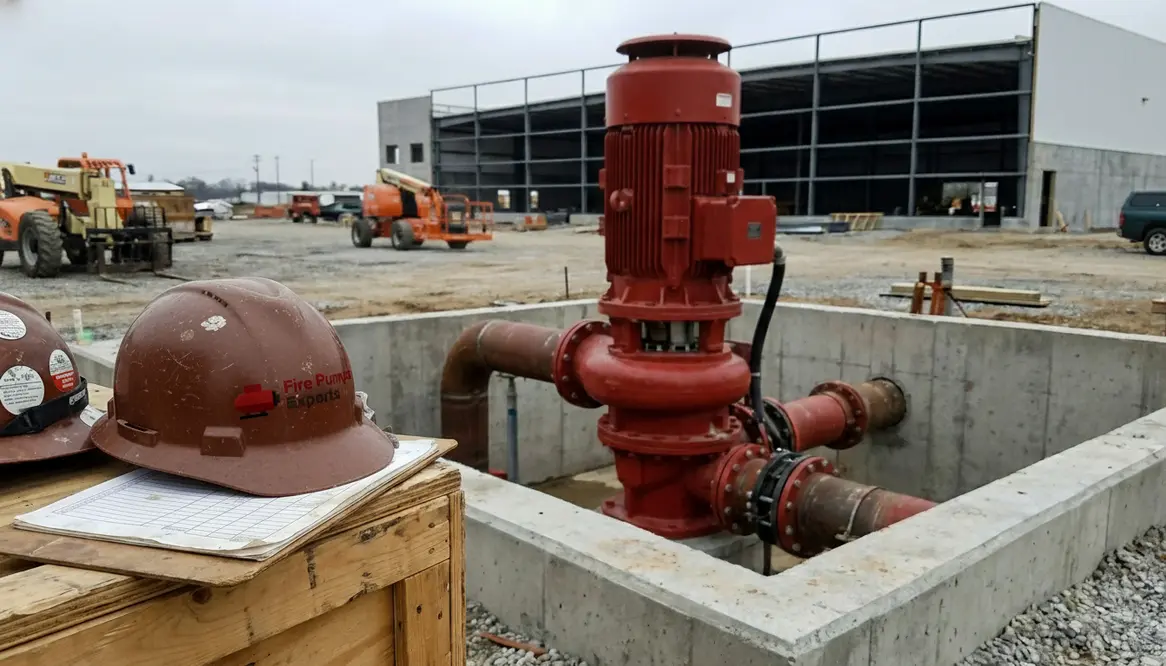
Vertical Turbine Fire Pump Cost Factors Guide
I have spent years around commercial and industrial fire protection systems, and one topic always draws a pause, a raised eyebrow, and sometimes a deep sigh. The vertical turbine fire pump cost. It sounds simple, right? A pump is a pump. Well, not quite. Much like ordering coffee in a big city, the base price is just the beginning, and every choice adds a little more flavor and a little more cost.
So, let me walk you through it in a way that actually makes sense, with a few moments of levity along the way. Because yes, even fire pumps deserve a bit of personality.
What really drives vertical turbine fire pump cost in large facilities?
Let me answer this upfront. The cost is shaped by design complexity, site conditions, compliance requirements, and performance demands. And each one pulls the price in its own direction.
First, capacity matters. A pump designed for a high rise or a sprawling industrial complex needs to move serious water volume. Naturally, more power and larger components increase cost.
Next, depth plays a role. Vertical turbine pumps pull water from wells or underground sources. So, the deeper the water source, the more stages and column length you need. That alone can turn a modest quote into something that makes your finance team blink twice.
Then there is compliance. Fire protection is not a place for shortcuts. NFPA standards, local codes, and insurance requirements all demand precision. And yes, precision costs money, but it also saves far more in the long run.
Equipment choices that quietly raise or lower your investment
Here is where things get interesting. Two pumps may look similar on paper, yet their price tags can live in completely different neighborhoods.
Material selection
For industrial facilities, corrosion resistance is often non negotiable. Stainless steel or specialized coatings increase upfront cost, but they prevent failures that could shut down operations later.
Driver type
You can choose electric motors or diesel engines. Electric is cleaner and often quieter. Diesel, however, brings independence during power outages. That reliability comes at a higher price.
Control systems
Modern controllers offer monitoring, alarms, and integration with building systems. While they add cost, they also give you visibility that older systems simply cannot match.
Testing and certification
Factory testing, third party inspections, and certifications ensure everything performs as promised. Think of it as quality insurance, not an optional extra.
And yes, this is where I usually remind people that cutting corners here is like skipping leg day. It seems fine at first, until everything collapses under pressure.
Installation realities in commercial and industrial properties
Now we move beyond the pump itself. Installation is where theory meets reality, and reality tends to bring a few surprises.
Site accessibility often dictates equipment handling costs. If your facility has tight access points or limited staging areas, installation becomes more complex. More time, more labor, more cost.
Additionally, underground conditions matter. Soil type, water table levels, and structural considerations can require custom engineering. That engineering is not just paperwork. It directly impacts how the system is built and installed.
Moreover, integration with existing systems can be tricky. Retrofitting a vertical turbine pump into an older facility often requires adjustments to piping, controls, and electrical infrastructure. Each adjustment adds layers to the final investment.
If you want a deeper dive into system requirements and standards, I often point clients toward commercial fire pump system guidelines. It is a solid reference that helps connect the dots.
How location and logistics shape pricing outcomes
Location is one of those quiet factors that speaks loudly when the invoice arrives.
For example, remote industrial sites often face higher transportation costs. Moving large pump components is not exactly like shipping a paperback novel. Specialized freight, cranes, and staging all come into play.
Labor rates also vary. Urban centers may offer more skilled technicians, but at higher hourly rates. On the other hand, remote areas may require travel and accommodation for crews, which adds another layer of expense.
Then there are permitting and inspection processes. Some regions move quickly, while others take their time. Delays can stretch project timelines, and as any project manager will tell you, time is money.
Long term value versus upfront vertical turbine fire pump cost
This is where I slow things down and get a bit philosophical. Because focusing only on upfront cost is like judging a movie by its trailer. You miss the full story.
A well designed system reduces maintenance, minimizes downtime, and ensures compliance for years. That stability matters in commercial and industrial environments where disruptions can ripple across operations.
Energy efficiency also plays a role. Modern pumps and motors can reduce operating costs over time. While the initial investment may be higher, the savings quietly accumulate in the background.
And let us not forget reliability. When a fire event occurs, there is no room for hesitation. The system must perform instantly. That level of confidence is built into the design and, yes, reflected in the cost.
Understanding the full picture of vertical turbine fire pump cost means looking at lifecycle performance, not just today’s quote. When you factor in avoided downtime, reduced repairs, and consistent compliance, the value equation looks very different.
FAQ about vertical turbine fire pump pricing
The questions that come up around vertical turbine fire pump cost tend to circle the same themes: ranges, reasons for higher prices, and where it actually makes sense to spend more.
Final thoughts and next steps
Understanding your system is the first step toward making a smart investment. If you are planning a project for a commercial or industrial facility, take the time to evaluate every factor, from design to installation. Work with specialists who know the terrain and can guide you with clarity. When you are ready to move forward, connect with experts who can tailor a solution that protects your property and keeps your operations running without compromise.