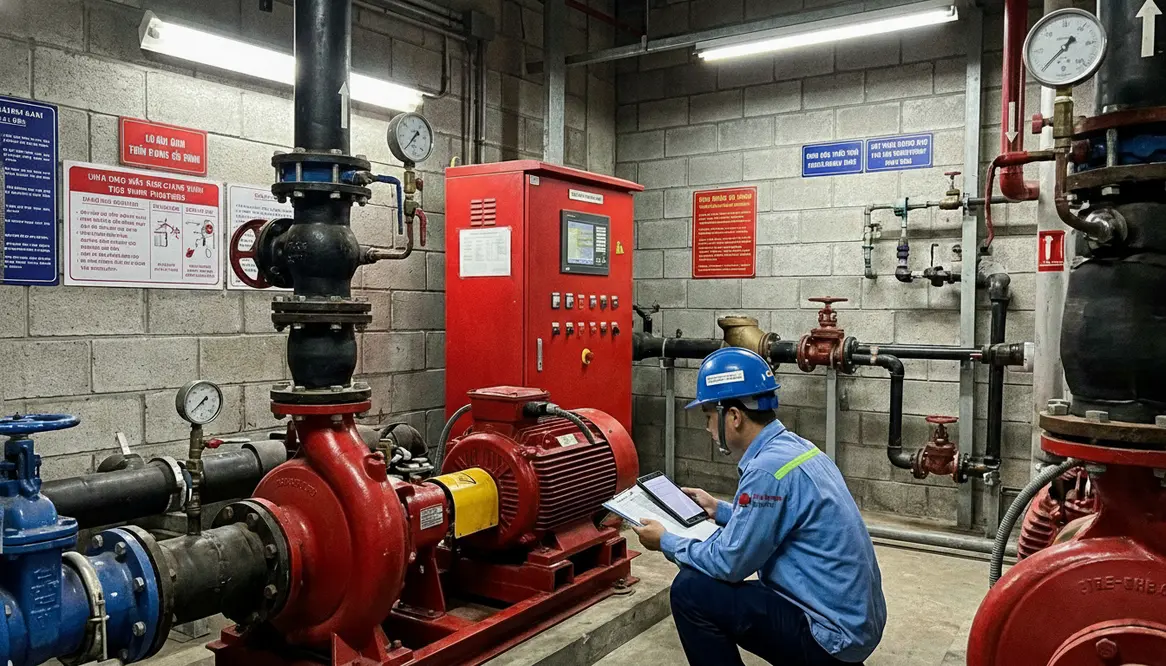
Vietnam Fire Pump Compliance Guide for Buildings
A practical walkthrough for making sure your building’s fire pump is not the weak link in your safety plan.
When I talk about Vietnam compliance for fire pump systems, I mean business, because a building does not get a second chance when fire safety fails. In commercial and industrial properties, the fire pump is not just another machine humming in a corner like an extra in a blockbuster. It is the muscle behind the sprinkler system, the standpipe network, and the entire fire response plan. So, if I were responsible for a major property in Vietnam, I would treat this topic like the final scene in a tense movie: carefully, calmly, and with every detail in place.
In this guide, I break down what I would check, what usually causes trouble, and how to keep your building aligned with local fire safety rules without turning the process into a full time headache. Let’s get into the parts that matter.
What Vietnam fire pump rules mean for commercial buildings
First, I focus on what the law expects from large buildings. In Vietnam, fire protection rules generally require reliable water supply, enough pressure, and proper system support for fire fighting equipment. That means a fire pump must deliver the right flow and pressure when the sprinklers, hydrants, or standpipes call for help. No drama, no excuses.
Core expectations for major properties
For commercial and industrial sites, I would look at these basics:
- the pump matches the building fire load and system design
- the water source can support emergency demand
- the control panel works in both normal and emergency modes
- backup power or backup pump support exists where required
- the whole system fits the approved fire safety design
Also, local approval often depends on documents, drawings, and test records. So, I would never assume that equipment alone proves compliance. In fire safety, paper matters. A lot. Bureaucracy may not be exciting, but it does love a neat file.
How I check a fire pump system for Vietnam compliance
If I were checking a system today, I would start with design, then move to installation, then testing. That order keeps the work clean and prevents costly rework later. Moreover, it helps me catch issues before the final inspection officer does, which is always the better timing.
Design and installation checks
I would verify the following:
- pump type and capacity suit the building size and use
- pump room access stays clear and safe
- suction and discharge piping stay properly sized
- valves, gauges, and fittings install in the right places
- electric and diesel backup options work as intended
- alarms and automatic start functions respond fast
Performance testing that actually proves something
Then I would test the pump under real conditions. A weak test run is like showing up to a chess match with only the knight. Sure, it looks strategic, but it will not end well. I want to see pressure, flow, automatic start, and stable operation. Furthermore, I want the results written down and signed off. That is how Vietnam compliance holds up when someone reviews the records months or years later.
Vietnam compliance checklist for major property owners
Here is the practical side. If I owned or managed a major property, I would use a simple checklist to keep the system ready year round. That way, I would not wait for an inspection to discover a dead battery or a valve that has not moved since the last season of a streaming show nobody admits to watching.
Two column view of the key checks
System item
Pump performance
Power supply
Jockey pump
Pump room
Testing
Maintenance
What I verify
I confirm pressure and flow meet the approved design.
I check normal power, backup power, and changeover response.
I make sure it holds pressure and avoids unnecessary main pump starts.
I keep it dry, ventilated, locked when needed, and easy to reach.
I schedule routine tests and keep clear records.
I replace worn parts before they become a problem.
In addition, I would train site staff so they know where the controls are and what to do when an alarm sounds. A fancy system with confused staff is still a problem. Technology helps, but people still close the loop.
Common mistakes I see in fire pump projects
Over the years, I have seen a few repeat offenders. Some are simple. Some are costly. All of them are avoidable.
- installing a pump that is too small for the building
- placing equipment in a room with poor ventilation or flooding risk
- skipping performance tests after installation
- missing maintenance logs or inspection records
- using backup power that does not start fast enough
- ignoring local approval steps until the project is almost finished
Besides that, many owners treat fire pump work as a one time project. It is not. It behaves more like a living system. It needs checks, service, and proof that it still works when the pressure rises. Literally.
Why I recommend expert support for fire pump compliance
For large commercial and industrial facilities, I strongly recommend working with specialists who understand Vietnam fire safety rules and high demand systems. This is where commercial fire pump compliance support can help, especially when a building has complex layouts, strict approval steps, or heavy water demand.
Also, expert help saves time during design review, installation checks, and commissioning. More importantly, it lowers the chance of rejection during inspection. That matters because delays in major property projects cost more than money. They can slow leasing, production, and opening dates. And nobody wants that kind of calendar drama.
When Vietnam compliance is handled by people who know the local process, you get fewer surprises, tighter documentation, and a system that is ready for real emergencies instead of just paper approvals.
FAQ
These are the questions I hear most from teams working through Vietnam compliance on fire pump systems.
Conclusion
If I were managing a major property in Vietnam, I would never treat fire pump compliance as a checkbox job. I would treat it as a core part of building safety and business continuity. So, if you want fewer delays, smoother approvals, and a system that stands ready when needed, now is the time to review your design, test your equipment, and tighten your records with expert support.