Glendale Retail Center Fire Protection Water Systems
How water, pumps, and smart design quietly stand between Glendale’s busy retail properties and a very bad day.
I have spent enough time around commercial buildings to know one simple truth. Fire safety rarely gets applause until the moment it saves everything. In Glendale retail centers, that moment depends on something many shoppers never think about. Water. Not just any water either. I am talking about glendale retail center fire protection water systems, the quiet backbone that keeps sprinkler systems ready when things turn serious.
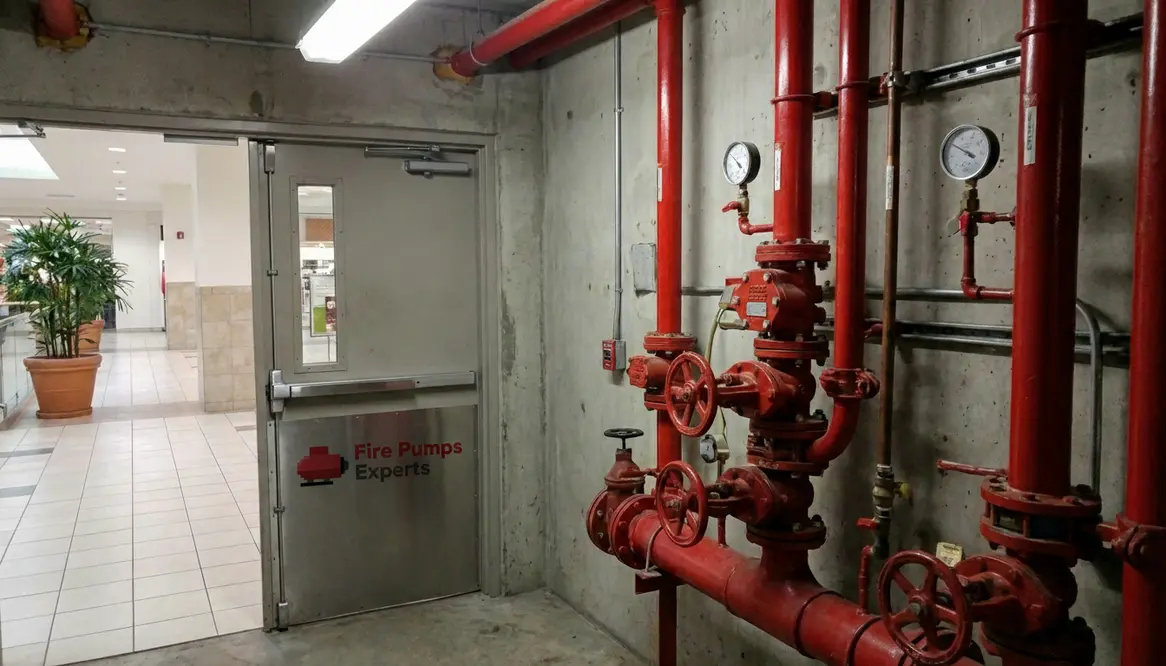
Now, a retail complex might look like a place for coffee runs, shoe sales, and the occasional teenager loitering near the food court. However, behind the walls sits an engineered network that must deliver massive water flow within seconds. When done right, it works like a well rehearsed orchestra. Pumps, pipes, valves, and supply lines all move together. And believe me, when flames show up uninvited, you want that orchestra playing Beethoven, not a garage band that forgot its instruments.
Why water design matters more than shiny finishes
Polished floors and creative signage might attract customers, but it is the hidden water infrastructure that decides whether a small fire becomes a headline. In large retail centers, the water game is all about volume, pressure, and reliability under the worst possible conditions.
That is exactly where well engineered glendale retail center fire protection water systems earn their keep.
How Glendale Retail Center Fire Protection Water Systems Actually Deliver Water
When I walk through a large retail complex, I often picture the hidden plumbing that stands guard behind the drywall. The sprinkler heads above the ceiling tiles are only the final act. The real performance begins far earlier with the water supply.
First, a reliable municipal connection feeds the building. Glendale’s infrastructure usually provides strong baseline pressure. However, retail centers are big. Very big. In many cases, a single anchor store can stretch across tens of thousands of square feet. Consequently, engineers design systems that store or boost water to meet demand instantly.
The backbone normally includes several critical elements.
- Dedicated fire service lines that connect the property directly to the city water grid
- Fire pumps that raise pressure when the municipal supply cannot keep up
- Backflow prevention assemblies that protect the public water system
- Large diameter distribution piping that carries water across long commercial corridors
Meanwhile, designers calculate water demand using hazard classifications. A clothing store has different sprinkler flow needs than a warehouse style electronics retailer stacked with boxed inventory. Therefore, each area inside a retail complex receives protection based on real fire load conditions.
And yes, the math behind it can make your head spin faster than a Christopher Nolan movie plot. Still, the end goal stays simple. When heat activates a sprinkler head, water must arrive immediately and in the correct volume.
Designing the “invisible shield” around retail tenants
Shoppers never see the fire service main, sectional control valves, or backflow assemblies, and that is exactly how it should be. The most successful glendale retail center fire protection water systems stay out of the way 99.9% of the time and then perform flawlessly during the few seconds that matter most.
What Kind of Water Pressure Do Large Retail Fire Sprinklers Need?
I get this question a lot, especially from property managers responsible for major shopping properties. The short answer is this. A lot more pressure than you might expect.
Most commercial sprinkler systems require both flow and pressure working together. Pressure pushes water through the piping network. Flow determines how much water reaches the fire.
However, retail centers create unique challenges. Long pipe runs, multiple tenant spaces, mezzanines, and storage areas all add resistance inside the system. Consequently, designers often install electric or diesel fire pumps that boost pressure dramatically during emergencies.
These pumps activate automatically when the system senses a pressure drop. Within seconds, they deliver thousands of gallons per minute. Picture turning on a garden hose versus opening a fire hydrant. The difference is not subtle.
Additionally, redundancy plays a role. Major commercial properties frequently include backup power or secondary pump configurations. Because when a real emergency hits, reliability is everything. Fire protection systems are not allowed to have a “maybe it works today” attitude.
Fire pumps: the muscle behind the sprinklers
Behind the scenes, fire pumps are doing the heavy lifting. In many Glendale retail developments, properly sized pumps make the difference between sprinklers that barely weep and sprinklers that aggressively cool and control a fire.
If you want to understand what those pumps really have to deliver, Kord Fire Protection’s overview of fire pump systems lays out how pressure, flow, and testing all work together in demanding commercial environments.
The Core Components Behind Reliable Fire Protection Water Delivery
Behind every dependable sprinkler network sits a series of mechanical players working together. I like to think of them as the supporting cast. The kind of crew that makes the hero look good.
|
Water Storage and Supply Many retail developments supplement municipal water with onsite storage tanks. These tanks act like insurance policies. If city pressure drops or multiple systems activate at once, stored water keeps the sprinklers supplied. Furthermore, engineers size tanks according to calculated fire demand. Large complexes may require tens of thousands of gallons ready at all times. |
Fire Pump Assemblies Fire pumps serve as the muscle of the system. Electric or diesel driven pumps increase pressure so water reaches distant sprinkler zones quickly. Without these pumps, water might crawl through the pipes like traffic on the 101 during rush hour. And trust me, fires do not wait patiently. |
|
Control Valves and Monitoring Every zone includes control valves and supervisory devices. These components ensure water flows only when needed while still allowing maintenance crews to isolate sections safely. |
Distribution Networks Large diameter pipes spread water across the property. Branch lines then deliver flow to individual sprinkler heads throughout tenant spaces and storage areas. |
Together, these elements create a system that responds in seconds yet remains quiet for decades if no fire occurs. It is the ultimate example of preparation meeting patience.
Maintaining Glendale Retail Center Fire Protection Water Systems for Long Term Reliability
Now let me tell you something important. Even the best designed systems need attention. Fire protection equipment may spend most of its life waiting, but neglect is not part of the plan.
Routine inspections keep the system ready for action. In commercial retail environments, maintenance teams perform regular testing that includes:
- Fire pump performance testing
- Valve inspections and supervisory monitoring
- Flow tests to confirm water delivery rates
- Backflow prevention certification
- Pipe inspections in high risk storage zones
Additionally, property managers coordinate annual and multi year testing required by fire codes. These inspections ensure the glendale retail center fire protection water systems remain fully operational even after years of quiet service.
I have seen facilities treat this process like a routine oil change for the building. It might feel repetitive, but when something goes wrong, you will be glad the system stayed in shape.
Inspection, testing, and maintenance: the “gym membership” for your system
Glendale retail center fire protection water systems only perform at design levels when valves stay open, pumps stay exercised, and tanks, meters, and backflow devices get the regular attention they deserve. Skipping maintenance is like canceling the gym membership and still expecting marathon performance.
Design Challenges Unique to Glendale’s Large Retail Developments
Glendale presents its own interesting mix of construction styles and property layouts. From multi story shopping centers to sprawling lifestyle complexes, each project demands a tailored water supply strategy.
For example, elevation changes across a property can influence water pressure calculations. Consequently, engineers sometimes divide systems into multiple pressure zones. This approach ensures sprinkler heads on higher levels still receive adequate flow.
Another factor involves tenant turnover. Retail spaces change hands often. A clothing boutique today might become a home goods warehouse tomorrow. Therefore, designers build flexibility into the piping network so future modifications remain possible without rebuilding the entire system.
Moreover, coordination with city infrastructure plays a big role. Municipal connections must support the fire demand for the entire complex. If they cannot, onsite tanks and high capacity pump systems fill the gap.
When everything comes together correctly, the glendale retail center fire protection water systems operate quietly in the background. Customers browse stores, employees run inventory, and the building stays protected without anyone noticing the engineering beneath their feet.
Balancing today’s tenants with tomorrow’s floor plans
The best glendale retail center fire protection water systems anticipate that anchors will expand, storage will shift, and occupancies will change. Smart valve zoning, looped mains, and well placed risers make renovation projects far less painful for everyone involved.
FAQ About Retail Center Fire Protection Water Systems
What supplies water to retail fire sprinkler systems?
Most systems connect to municipal water lines. Large commercial properties often add storage tanks and fire pumps to guarantee pressure and flow.
Why do retail centers use fire pumps?
Fire pumps boost water pressure so sprinkler systems can deliver large volumes quickly across expansive commercial buildings.
How often should fire pumps be tested?
Commercial fire pumps typically undergo weekly visual checks and annual full performance tests according to fire protection standards.
Can one water system protect multiple stores?
Yes. Large retail centers usually operate centralized fire protection water infrastructure that feeds sprinkler zones across multiple tenant spaces.
Do fire protection systems require inspections?
Absolutely. Regular inspections ensure valves, pumps, and water supply components remain operational and compliant with fire safety codes.
Protecting Glendale’s Retail Properties Starts With the Right Water System
When I look at a busy shopping complex, I see more than storefronts and parking lots. I see the infrastructure quietly guarding every tenant and customer inside. Reliable glendale retail center fire protection water systems make that protection possible. If you manage or develop a major commercial property, the right design, testing, and pump infrastructure can make the difference between a contained incident and a catastrophic loss. Work with specialists who understand large scale fire water delivery and keep your building prepared for whatever tomorrow brings.