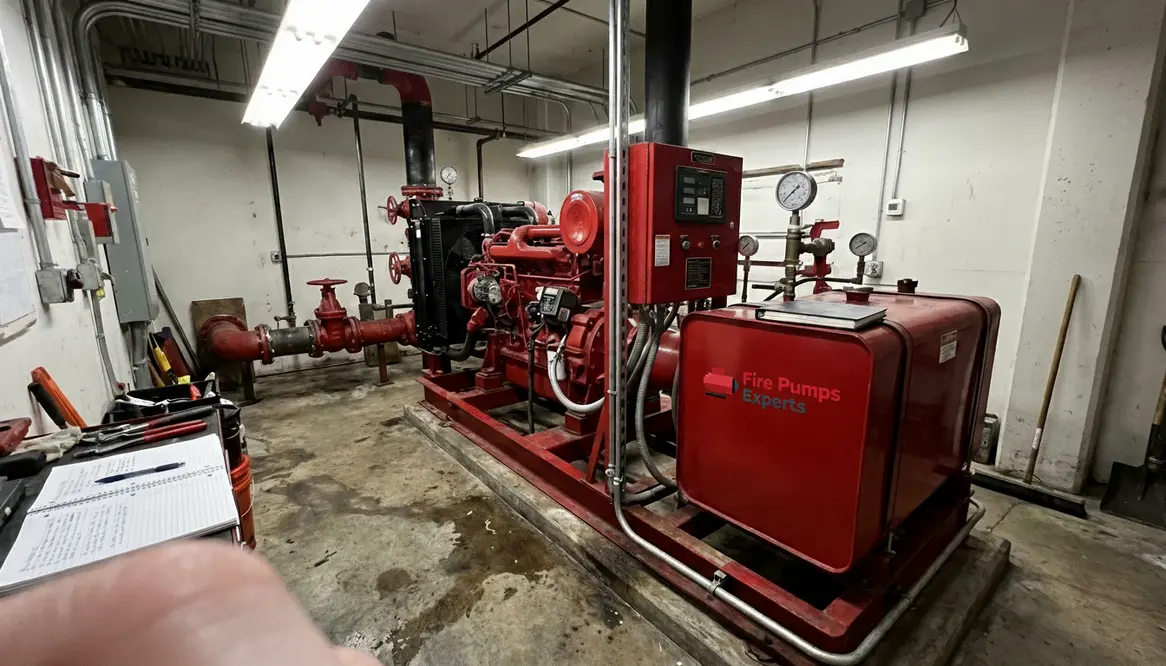
U.S. commercial fire pump requirements guide
I have spent years walking through mechanical rooms that hum like a quiet orchestra, and right at the center sits a piece of equipment that does not ask for attention until everything depends on it. That is where U.S. commercial fire pump requirements come into play. In large commercial and industrial properties, fire pumps are not optional background players. They are the difference between controlled response and catastrophic loss. So today, I will walk you through what actually matters, without the fluff, and with just enough personality to keep you awake.
What are U.S. commercial fire pump requirements and why do they matter
At their core, these requirements define how fire pumps must be designed, installed, tested, and maintained in commercial and industrial buildings. They are guided primarily by NFPA 20, along with local codes that love to add their own seasoning.
Now, why should you care? Because in a high rise office tower or a manufacturing plant, water pressure from the municipal supply often falls short. When that happens, the fire pump steps in and says, “I got this.” Without it, sprinkler systems become decorative plumbing.
Additionally, compliance is not just about safety. It affects insurance, liability, and whether your building passes inspection without a raised eyebrow from the fire marshal. And trust me, you want that eyebrow to stay relaxed.
How U.S. commercial fire pump requirements protect your building
The framework behind U.S. commercial fire pump requirements is designed to prevent your sprinklers and standpipes from becoming expensive wall art. By setting standards for performance, redundancy, and monitoring, these rules make sure that when the alarm sounds, the system can deliver water at the right pressure and flow, even when the city’s supply is having a bad day.
How do I know if my commercial property needs a fire pump
I get this question a lot, and the answer is both simple and frustrating. It depends on water supply and system demand.
If your building requires more pressure than the local water system can provide, you need a fire pump. That often applies to:
- Large commercial buildings such as office towers, hospitals, and hotels
- Industrial facilities with extensive sprinkler coverage
- Warehouses storing high hazard materials
However, the real decision comes from hydraulic calculations. Engineers measure how much water and pressure your system needs, then compare it to what is available. If there is a gap, the fire pump fills it.
Think of it like trying to shower on the top floor of a skyscraper with garden hose pressure. It is not going to end well.
A quick rule of thumb
If your building is tall, sprawling, or packed with high hazard commodities, and hydraulic calculations show pressure shortfalls at the most remote heads, U.S. commercial fire pump requirements are not just abstract code language. They become the roadmap for designing a pump system that can actually do the job.
Key components that must meet compliance standards
Every compliant system is more than just a pump. It is a coordinated setup designed to perform under pressure, literally.
Driver and controller
The pump must have a reliable power source, either electric or diesel. Controllers are required to start the pump automatically when pressure drops.
Water supply connection
The system must connect to a dependable source, whether municipal or stored water, with proper backflow protection.
Test header and gauges
These allow technicians to verify performance. Without testing, you are just hoping for the best, which is not a strategy.
Relief valves and sensors
These protect the system from overpressure and monitor operation in real time.
Each component must meet strict installation and performance standards. Skipping details here is like building a race car and forgetting the brakes. It may look impressive, but it will not end well.
Looking beyond the pump itself
When people talk about U.S. commercial fire pump requirements, they often picture just the pump. In reality, compliance reaches into power reliability, sensing, alarms, jockey pumps, and piping layout. This ecosystem is what turns a simple machine into a life safety system.
Installation rules that separate compliance from chaos
Installation is where theory meets reality. And sometimes, reality fights back.
Fire pumps must be installed in dedicated rooms with proper ventilation, drainage, and access. Clearances matter, because technicians need space to inspect and repair equipment without performing yoga poses.
Furthermore, suction piping must be carefully designed to avoid air pockets or turbulence. Even small mistakes can reduce performance when the system is under stress.
Then there is electrical reliability. Backup power, proper wiring, and separation from other systems are essential. After all, a fire pump that loses power during an emergency is about as useful as a flashlight with no batteries.
Designing for inspections, not just drawings
Good designers think ahead to the moment when fire marshals, insurers, and service technicians all gather in the pump room. Clear labeling, logical pipe routing, and code-compliant layouts are not aesthetic choices. They are how you keep U.S. commercial fire pump requirements from turning into a punch list of violations.
Testing and maintenance keep everything honest
Even the best system will fail if it is ignored. That is why ongoing testing is a major part of compliance.
Weekly or monthly churn tests verify that the pump starts and runs. Annual flow tests go deeper, measuring actual performance under load. These are not optional tasks. They are required, documented, and often reviewed during inspections.
In addition, maintenance must follow manufacturer guidelines and NFPA standards. That includes checking seals, bearings, controllers, and fuel systems for diesel units.
I like to think of it this way. A fire pump is like a backup singer. You may not notice it every day, but when the moment comes, it better hit every note perfectly.
Turning routines into reliability
The most successful facilities treat U.S. commercial fire pump requirements as a checklist for repeatable habits: consistent testing, timely repairs, and clean records. When that rhythm is in place, pump rooms feel less like a liability and more like quiet proof that the building is ready.
U.S. commercial fire pump requirements in real world operations
In practice, these regulations shape how facilities operate every day. Facility managers coordinate with inspectors, engineers, and service providers to keep systems compliant.
Moreover, documentation plays a huge role. Records of tests, repairs, and inspections must be accurate and accessible. If something goes wrong, those records become your first line of defense.
Technology is also stepping in. Many modern systems include remote monitoring, alerts, and data tracking. This allows teams to catch issues early, instead of discovering them during an emergency, which is never a good time for surprises.
And yes, all of this may sound like a lot. But compared to the cost of system failure, it is a bargain.
If you want a deeper dive into how NFPA 20 shapes design and documentation, resources like this NFPA 20 overview from Kord Fire Protection walk through code expectations from the perspective of real installations.
From code language to daily routines
What looks like dense language on paper eventually becomes real habits: weekly walk-throughs of the pump room, alarms tied into monitoring, and service contracts that match the intent of U.S. commercial fire pump requirements rather than just the minimum letter of the law.
FAQ
Keep your system ready before it is needed
When I look at a well maintained fire pump system, I see more than compliance. I see preparation, discipline, and a quiet confidence that the building can handle the unexpected. If you manage a commercial or industrial property, now is the time to review your system, verify your records, and work with professionals who understand every detail. Because when the moment comes, there is no rehearsal, only performance. Make sure your system is ready to deliver.
In the background, U.S. commercial fire pump requirements keep that performance from being a guess. They shape the design, guide the installation, and enforce the testing that gives everyone inside the building a better chance when the alarm sounds.