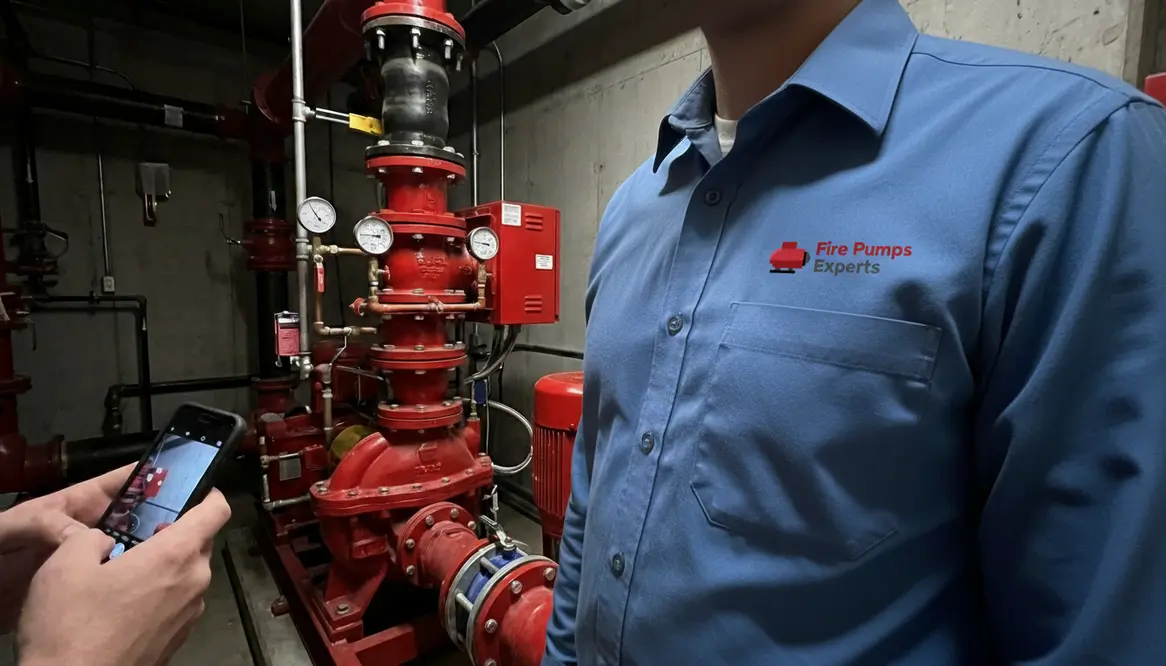
Fire Pump Upgrades for Safer Commercial Buildings
When everything is on the line, your fire pump cannot be an afterthought. It has to be the quiet professional in the background that never misses its cue.
I have spent enough time around commercial buildings to know one thing for certain. When a fire starts, nobody asks if the system was “good enough.” They expect it to work. That is where fire pump upgrades quietly step in and make all the difference. In large facilities, from high rise offices to industrial plants, these upgrades are not just improvements. They are lifelines wrapped in steel and pressure gauges.
And yes, while they may not get the same spotlight as a blockbuster hero, they show up right on cue when everything else is falling apart. Think less red carpet, more Batman in the shadows. The more complex and vertical the building, the more those hidden systems either save the day or let everyone down.
In a world where tenants, employees, and visitors assume safety is guaranteed, fire pump upgrades are how you quietly keep that promise without fanfare or special effects.
What Are Fire Pump Upgrades and Why Do They Matter
I like to keep things simple. A fire pump is the heart of a building’s fire protection system. However, like any hardworking heart, it needs care, tuning, and sometimes a serious upgrade. Fire pump upgrades involve replacing outdated components, improving system performance, and ensuring compliance with current codes.
Now, here is the truth. Older systems often struggle to meet modern demands. Buildings grow, occupancy increases, and risks evolve. Therefore, upgrading is not optional if safety is the priority. It is the difference between controlled response and chaos.
And let us be honest. If your system still runs like it belongs in a 90s action movie, it might be time for a reboot. No one wants their safety plan to feel like a VHS tape in a streaming world, especially when newer technology exists to improve reliability, monitoring, and performance.
From “Good Enough” to Actually Ready
Many fire pump systems were originally designed for a specific building profile that no longer exists. Maybe you added floors, reconfigured space into dense open offices, or converted storage into high-value data centers. The pump keeps spinning, but the assumptions it was built on may have quietly expired. Fire pump upgrades close that gap between old design intent and today’s reality, so you are not wagering your building on outdated calculations.
How Do I Know My System Needs an Upgrade?
I get this question a lot, and the signs are usually hiding in plain sight. First, inconsistent water pressure during testing is a red flag. Second, frequent maintenance issues signal aging components. Additionally, outdated controllers and diesel engines often fail to meet current efficiency standards.
Moreover, compliance changes fast. If your system has not been evaluated recently, it may already be behind code requirements. That is not a great place to be when inspectors show up, especially in markets with strict enforcement and documentation requirements.
- Test results that never quite hit the numbers they used to
- Alarms and nuisance trips that your team has started to “live with”
- Controllers that look like they belong in a museum more than a mechanical room
- Diesel drivers that burn more fuel and complain more than they perform
So, if your fire pump system feels like it is working harder than it should, it probably is. And unlike your favorite overworked movie hero, it does not get a sequel if it fails.
When Growth Outruns Protection
One of the most common triggers for fire pump upgrades is quiet growth. More tenants, more equipment, higher rack storage, or a change in process can all increase the fire load without anyone ever walking into the pump room. The danger shows up years later during a fire event, when the system you trusted simply cannot deliver what the new building reality demands.
Core Fire Pump Upgrades That Boost Performance
When I talk about upgrades, I am not talking about cosmetic changes. I mean real improvements that enhance reliability and response time. These are the changes that let your building shrug off an emergency instead of barely surviving it.
Mechanical Enhancements
- High efficiency pump replacements
- Improved impeller design for consistent pressure
- Upgraded diesel or electric drivers
- Better alignment and vibration control to extend equipment life
Control and Monitoring
- Smart controllers with real time diagnostics
- Remote monitoring integration
- Automated alert systems
- Event logging for testing, inspections, and incident review
As a result, these improvements do more than just meet code. They create a system that responds faster, runs smoother, and reduces the risk of failure. In high value commercial and industrial properties, that reliability is everything. Combining mechanical upgrades with smarter controls is where fire pump upgrades really start to earn their keep.
Connecting Pumps With the Bigger Fire Protection Picture
A modern pump system is not an island. It interacts with sprinklers, standpipes, alarms, and suppression systems across the building. Upgrades should be planned with that entire ecosystem in mind. Working with a full-service provider like Kord Fire Protection’s fire pump service team ensures your pump does not just look good on paper but actually supports the way your building operates when it counts.
Compliance, Insurance, and Long Term Value
Let me put it plainly. Insurance companies love upgraded systems. Inspectors do too. And frankly, so do I. When you invest in modernization, you reduce liability and improve insurability.
Furthermore, compliance is not static. Codes evolve to reflect new risks and technologies. Therefore, staying current protects your property from penalties and downtime. In large scale facilities, even a short interruption can ripple into major losses, from halted production to displaced tenants and damaged reputation.
Where Fire Pump Upgrades Pay You Back
- Lower maintenance costs due to newer, more efficient components
- Fewer emergency service calls and unplanned shutdowns
- Extended equipment lifespan with less wear and tear
- Better documentation for insurers, auditors, and regulators
And here is the kicker. Upgrades often pay for themselves. Lower maintenance costs, fewer emergency repairs, and improved system lifespan all contribute to long term savings. It is not flashy, but it is smart. Like choosing a reliable truck over a sports car when you have real work to do.
Smart Technology Is Changing Fire Protection
I have seen the shift firsthand. Fire protection is no longer just mechanical. It is becoming intelligent. Modern systems now include sensors, predictive analytics, and remote access.
Consequently, building managers can monitor performance in real time. They can spot issues before they become failures. That kind of foresight is invaluable in large commercial environments where a single unexpected outage can disrupt hundreds or thousands of people.
It is a bit like having a seasoned engineer watching your system 24 hours a day, without the coffee breaks. And while it may not crack jokes, it does keep everything running exactly as it should.
Data-Driven Confidence in Your Pump Room
The days of “it sounded fine during the test” are fading. With smarter diagnostics, fire pump upgrades can provide trend data on pressure, flow, temperature, and run history. That allows you to move from reactive maintenance to a proactive strategy where you schedule service before something fails, not after it has already cost you time and money.
Choosing the Right Upgrade Strategy for Large Facilities
Not every building needs the same solution. That is why I always recommend a tailored approach. First, assess current system performance. Then, identify gaps based on building size, occupancy, and risk level.
After that, prioritize upgrades that deliver the highest impact. In many cases, that means focusing on pump efficiency, control systems, and compliance alignment. Additionally, working with specialists who understand large scale commercial and industrial properties ensures the job is done right.
A Practical Roadmap for Fire Pump Upgrades
- Start with a comprehensive inspection and performance test
- Compare existing capacity and code requirements with current building use
- Identify critical weaknesses: power supply, pressure, redundancy, and controls
- Phase upgrades to minimize disruption to tenants and operations
- Document everything for future inspections, audits, and ownership changes
Because at the end of the day, this is not about checking boxes. It is about building a system that performs when it matters most. Fire pump upgrades are your chance to turn a basic system into one that truly matches the scale and importance of your facility.
Bringing It All Together With Professional Support
Coordinating mechanical upgrades, controls, inspections, and documentation can be a lot to juggle, especially across multiple buildings. Partnering with a dedicated fire protection company gives you a single team that understands codes, local requirements, and the realities of keeping your operations running while work is performed. Done right, fire pump upgrades feel less like a construction project and more like a controlled, well-planned performance tune.
FAQ
Take the Next Step Toward Safer Operations
If you are responsible for a commercial or industrial facility, now is the time to act. Fire pump upgrades are not just technical improvements. They are strategic investments in safety, reliability, and peace of mind. I encourage you to evaluate your current system and explore modern solutions that fit your property’s needs. Because when the unexpected happens, preparation is not just helpful. It is everything. Let’s make sure your system is ready.