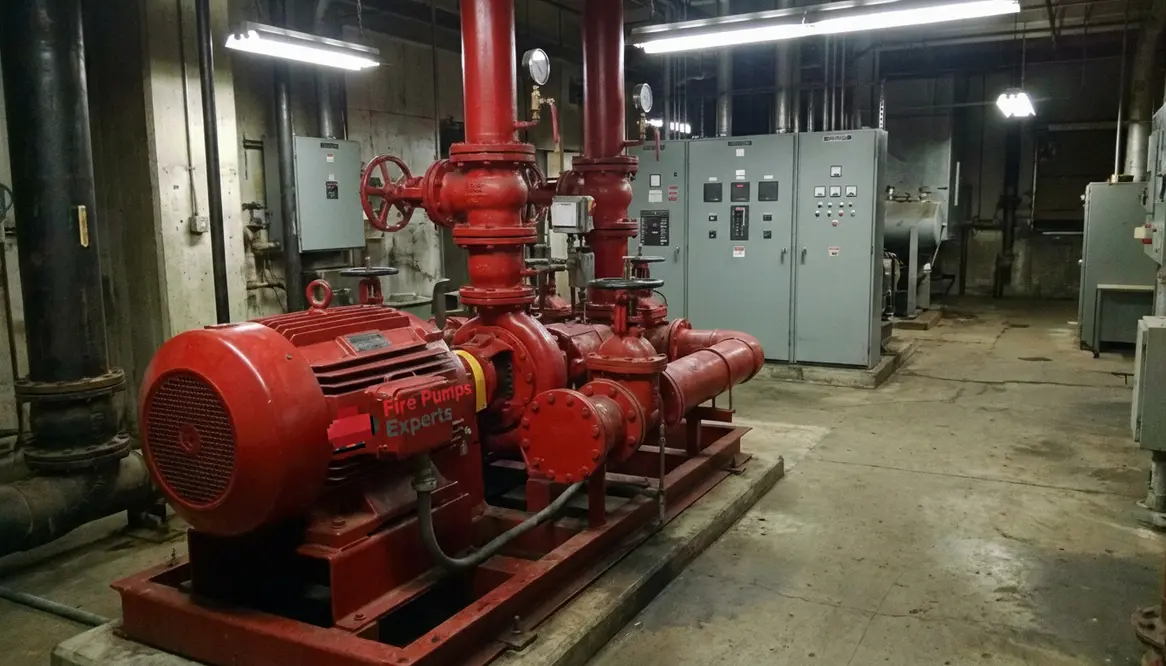
Detroit Fire Pump Compliance Guide for Buildings
I have spent enough time around mechanical rooms to know this truth: when a fire pump fails, nobody remembers the budget meeting that delayed maintenance. They remember the damage. That is why Detroit fire pump compliance is not just a line item. It is a responsibility that keeps people safe and buildings standing. In a city built on industry, precision matters. And yes, even the most stubborn piece of equipment needs attention, kind of like that one coworker who still prints emails.
What does Detroit fire pump compliance actually require?
Let me answer this plainly. Compliance means your fire pump system meets local Detroit codes, NFPA standards, and inspection schedules. However, it goes deeper than paperwork. I look at it as a living system. It must be tested, documented, and ready to perform without hesitation.
For commercial and industrial facilities, this includes weekly churn tests, annual flow testing, controller checks, and verifying backup power. Moreover, documentation must be accurate and accessible. Inspectors in Detroit do not accept guesswork, and honestly, neither should you.
And while it might sound routine, skipping a single requirement can ripple into major liability. Think of it like skipping oil changes on a fleet vehicle. It runs fine until it does not, and then everyone has a very bad day.
Connecting NFPA standards to Detroit fire pump compliance
NFPA 20 and NFPA 25 define how fire pumps should be designed, installed, tested, and maintained so they actually perform under pressure. Pair those standards with Detroit’s local fire code, and you get the practical checklist that keeps your system on the right side of both safety and enforcement. If you want a broader technical breakdown of how national standards shape real-world fire pump performance, this overview of NFPA 20 fire pump requirements from Kord Fire Protection is a solid technical companion to what you’re doing on-site.
Why Detroit fire pump compliance matters for large commercial buildings
I have seen massive facilities rely on one critical system to protect millions in assets. Therefore, compliance is not just about avoiding fines. It protects operations, tenants, and reputation.
In high rise buildings, fire pumps ensure water reaches upper floors with the right pressure. Meanwhile, in industrial plants, they support suppression systems that control high risk hazards. Without proper compliance, these systems can fail silently.
Additionally, insurance carriers pay close attention. If your system falls short, claims can become complicated very quickly. No one wants to explain to stakeholders why a preventable issue turned into a headline.
Risk, reputation, and Detroit fire pump compliance
For a large commercial portfolio, Detroit fire pump compliance quietly supports business continuity. If the system fails during an event, the problem is never “just a code violation.” It is lost rent, downtime, insurance disputes, and long meetings filled with uncomfortable questions. Keeping your pump system tuned and documented is the kind of behind-the-scenes work that preserves both life safety and your capacity to operate the next day.
How I approach inspections, testing, and documentation
I like to keep things simple and consistent. First, I follow a structured inspection schedule. Then, I verify performance through testing. Finally, I document everything clearly.
Because clarity matters, here is how I typically break it down:
Inspection Focus
- Visual condition of pump and valves
- Controller status and alarms
- Fuel levels and battery health
- Room temperature and ventilation
Testing Focus
- Weekly churn test performance
- Annual flow test output
- Pressure consistency
- Automatic start response
After that, I log results immediately. Not later. Not from memory. Right then. Because when an inspector asks, you want clean records, not a detective story.
Common compliance mistakes I see in Detroit facilities
Even well managed buildings can slip. However, the patterns are familiar.
First, inconsistent testing schedules. People get busy, and suddenly a month goes by. Next, incomplete documentation. If it is not written down, it did not happen in the eyes of compliance.
Another issue is neglected components. Controllers, relief valves, and backup systems often get less attention than the pump itself. Yet, they are just as critical. It is like maintaining a car engine but ignoring the brakes. Bold strategy, questionable outcome.
Finally, I often see outdated systems running without upgrades. While older equipment can still function, it must meet current standards. Otherwise, it becomes a risk disguised as reliability.
How these mistakes erode Detroit fire pump compliance
Each skipped test, missing record, or ignored component chips away at Detroit fire pump compliance. On paper, the system may look acceptable until someone actually traces the requirements against the history. In an emergency, those gaps show up as slow starts, weak pressure, failed controllers, or pumps that have technically “run for years” but never under the stress they were designed for.
Choosing the right service partner for fire pump compliance in Detroit
I always say this: not all service providers are built for large scale commercial systems. You need a team that understands complex facilities, not just basic setups.
Look for providers who specialize in industrial and commercial properties. They should know NFPA codes inside and out. More importantly, they should communicate clearly. If they cannot explain what they are doing, that is a red flag.
Also, consistency matters. A good partner tracks your system over time, spots trends, and prevents issues before they grow. Because in this field, prevention always costs less than recovery.
What a strong partner brings to Detroit fire pump compliance
- Familiarity with Detroit code enforcement culture and how inspectors review records
- Ability to coordinate testing windows that respect your operations instead of disrupting them
- Clear reporting that makes deficiencies, timelines, and responsibilities unmistakable
- Long term perspective on upgrades so you are planning, not reacting
FAQ: Detroit fire pump compliance
How often should fire pumps be tested?
Weekly churn tests and annual flow tests are standard for commercial systems.
Who enforces compliance in Detroit?
Local fire authorities and inspectors enforce codes alongside NFPA standards.
What happens if my system fails inspection?
You may face fines, required repairs, and possible operational restrictions.
Do all commercial buildings need a fire pump?
Not all, but high rise and large industrial facilities typically do.
Can outdated systems still be compliant?
Yes, but only if they meet current performance and safety standards.
Keep your system ready before it is tested for real
I always remind clients that inspections are predictable, but emergencies are not. Staying ahead of Detroit fire pump compliance means fewer surprises and stronger protection for your building. If your system has not been reviewed recently, now is the time. Bring in experts who understand large scale facilities and demand precision. Because when the moment comes, your fire pump should not hesitate, and neither should you.