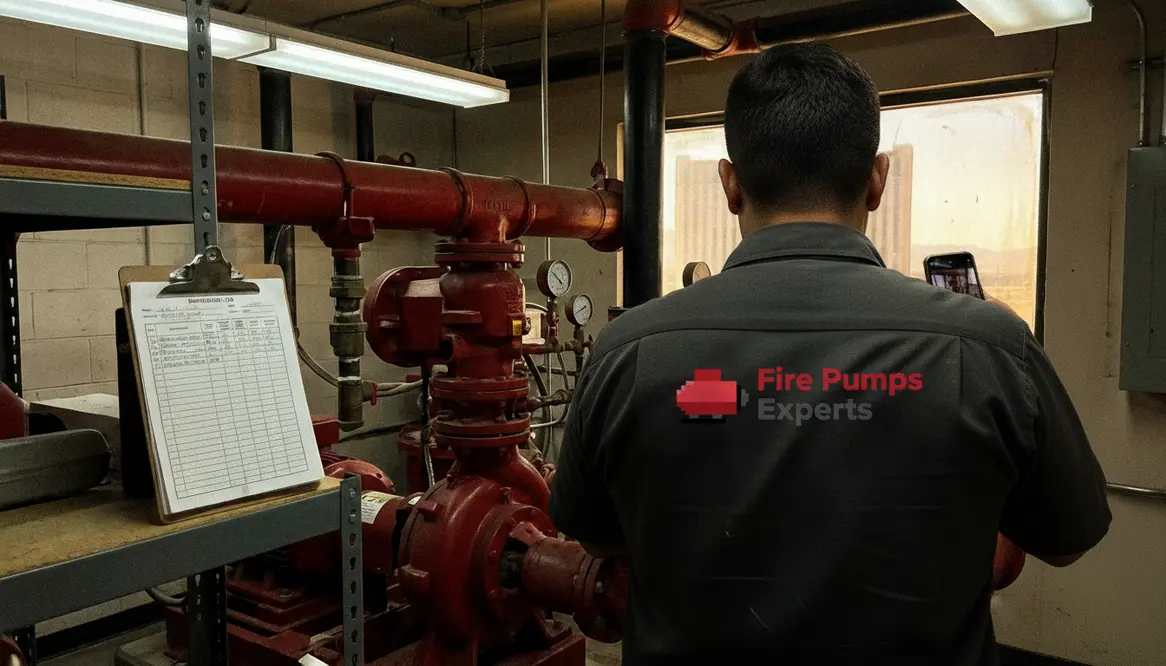
Las Vegas Commercial Fire Pumps Maintenance Guide
Keeping critical systems ready in a city that never really cools down.
I have spent enough time around high rise properties in the desert to know one thing for sure. When the heat rises in Las Vegas, systems either perform or they fail loudly. And when we talk about Las Vegas commercial fire pumps, there is no room for guesswork. These systems sit quietly in the background, like a seasoned security guard who only speaks when it matters. Yet when they are needed, they must deliver with absolute precision. So if you manage large scale commercial or industrial buildings, this is one piece of infrastructure you cannot afford to misunderstand.
In a city built upward, not outward, your fire pump is the quiet backbone of safety. Treat it like a mission critical asset, not a line item buried in the mechanical room budget.
Understanding the Role of Fire Pumps in Large Commercial Properties
Let me put it simply. Fire pumps are the muscle behind your fire protection system. While sprinklers get the spotlight, pumps ensure water reaches every floor with the right pressure. Without them, even the best designed system becomes a decorative ceiling feature.
In Las Vegas, building height, water supply limitations, and code requirements make fire pumps essential. Moreover, many commercial properties rely on consistent pressure across vast square footage. So these pumps bridge the gap between municipal supply and real world demand.
And yes, they are a bit like the bass player in a band. Not flashy, but if they stop, the whole performance collapses.
Where Las Vegas commercial fire pumps fit in your system
- Boosting pressure for high rise and sprawling commercial layouts
- Feeding standpipes and sprinkler systems on upper levels
- Maintaining consistent performance when city supply fluctuates
- Backing up other suppression components when demand spikes
Las Vegas Commercial Fire Pumps and Code Compliance
If there is one thing Las Vegas does not gamble with, it is fire safety compliance. Local and national codes require strict adherence, and inspectors do not accept excuses. Therefore, I always advise property managers to treat compliance as an ongoing process, not a one time checkbox.
Fire pumps must meet NFPA standards, and they must be tested regularly. In addition, documentation matters just as much as performance. If it is not recorded, it did not happen in the eyes of an inspector.
Core compliance expectations
- Fire pumps selected and installed per NFPA 20
- Inspection, testing, and maintenance aligned with NFPA 25
- Accurate logs of weekly, monthly, and annual tests
- Deficiencies documented and corrected promptly
Why documentation saves you
Consequently, staying ahead of compliance protects more than your building. It protects your tenants, your investment, and your reputation. Nobody wants their property trending for the wrong reasons.
What Maintenance Really Looks Like Day to Day
Maintenance is where many property managers either shine or stumble. I have seen pristine systems fail simply because routine checks were ignored. On the other hand, I have seen older systems perform beautifully thanks to consistent care.
So what does proper maintenance involve?
Routine actions include
- Weekly visual inspections and churn tests
- Monthly system checks for leaks, pressure irregularities, and controller performance
- Annual flow testing to confirm output meets demand
Additionally, trained technicians should handle deeper inspections. This is not the place for improvisation or guesswork. Fire pumps are precise machines, and they demand professional attention.
Partnering with specialists
For property teams that want a deeper technical backbone, working with a dedicated fire pump service provider such as Kord Fire Protection’s fire pump systems team keeps Las Vegas commercial fire pumps on a consistent inspection and testing rhythm rather than an emergency driven one.
Why System Reliability Matters More in Desert Environments
Las Vegas brings unique challenges. Heat, dust, and fluctuating demand all take their toll. Therefore, reliability becomes more than a technical requirement. It becomes a survival trait for your building systems.
High temperatures can affect components, while dust can interfere with mechanical parts. As a result, neglecting environmental factors often leads to premature failure.
Common Environmental Stressors
- Extreme heat impacting motor efficiency
- Dust buildup affecting moving parts
- Water supply inconsistencies during peak usage
Smart Preventive Actions
- Climate controlled pump rooms
- Regular cleaning and filtration checks
- Monitoring systems for real time alerts
Think of it like owning a classic car in the desert. It will run beautifully, but only if you respect the environment it lives in.
How Do I Know If My Fire Pump System Is Underperforming?
This is the question I hear more often than you might expect. And the answer is not always obvious at first glance.
Warning signs you should not ignore
- Pressure drops during testing that were not present before
- Unusual noises, vibration, or harsh mechanical sounds on startup
- Delayed startup times or failure to start without manual intervention
- Inconsistent test results from week to week or month to month
Moreover, modern monitoring tools can provide data that removes the guesswork. So instead of reacting to failures, you can anticipate them.
And let me be honest. Waiting until something breaks is a strategy best reserved for sitcom plots, not commercial property management.
Working with Specialists Who Understand Large Scale Systems
Not all service providers are built for large commercial or industrial facilities. That distinction matters more than most realize. Complex buildings require specialists who understand system integration, load demands, and compliance nuances.
Therefore, choosing the right partner ensures your fire pump system operates at peak performance. In addition, experienced professionals can identify inefficiencies before they become liabilities.
Why expertise around Las Vegas commercial fire pumps is non negotiable
- Specialists understand how local water supply realities affect performance
- They read between the lines of test results, not just the pass/fail
- They know how to align real world operations with NFPA and local codes
- They help you build a long term maintenance roadmap instead of one off fixes
When dealing with Las Vegas commercial fire pumps, expertise is not a luxury. It is a requirement. The stakes are simply too high to settle for anything less.
FAQ Quick Answers for Property Managers
How often should fire pumps be tested
Weekly churn tests and annual flow tests are standard requirements.
What happens if a fire pump fails inspection
You may face fines, required repairs, and potential operational restrictions.
Can I handle maintenance in house
Basic checks yes, but certified professionals should handle full servicing.
Do all commercial buildings need fire pumps
Not all, but most large or high rise properties do based on code and water pressure needs.
What is the lifespan of a fire pump
With proper maintenance, many systems last 20 to 30 years.
Final Thoughts and Your Next Move
If you manage a large property in Las Vegas, now is the time to take a closer look at your fire pump system. Small oversights can grow into costly failures. However, with the right attention and expert support, you can keep everything running smoothly and confidently. Reach out to a qualified commercial fire protection specialist today and make sure your system is ready long before it is ever needed. Because when it comes to safety, preparation always wins.